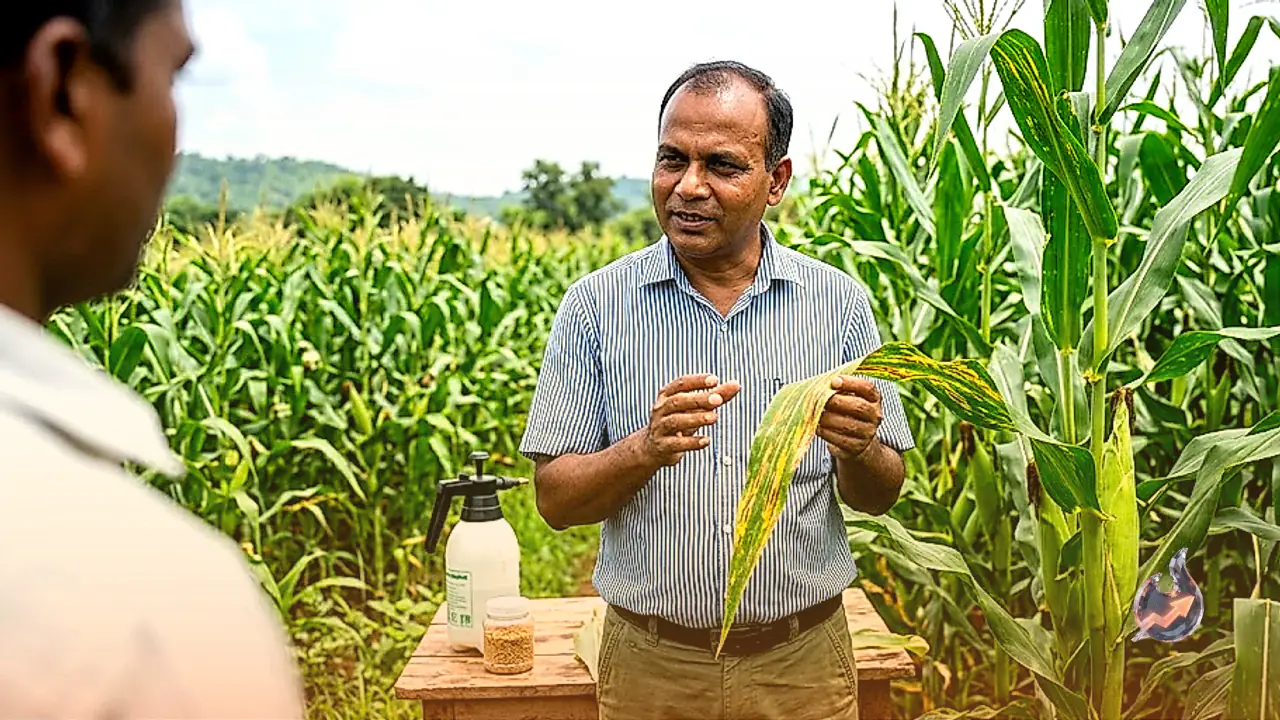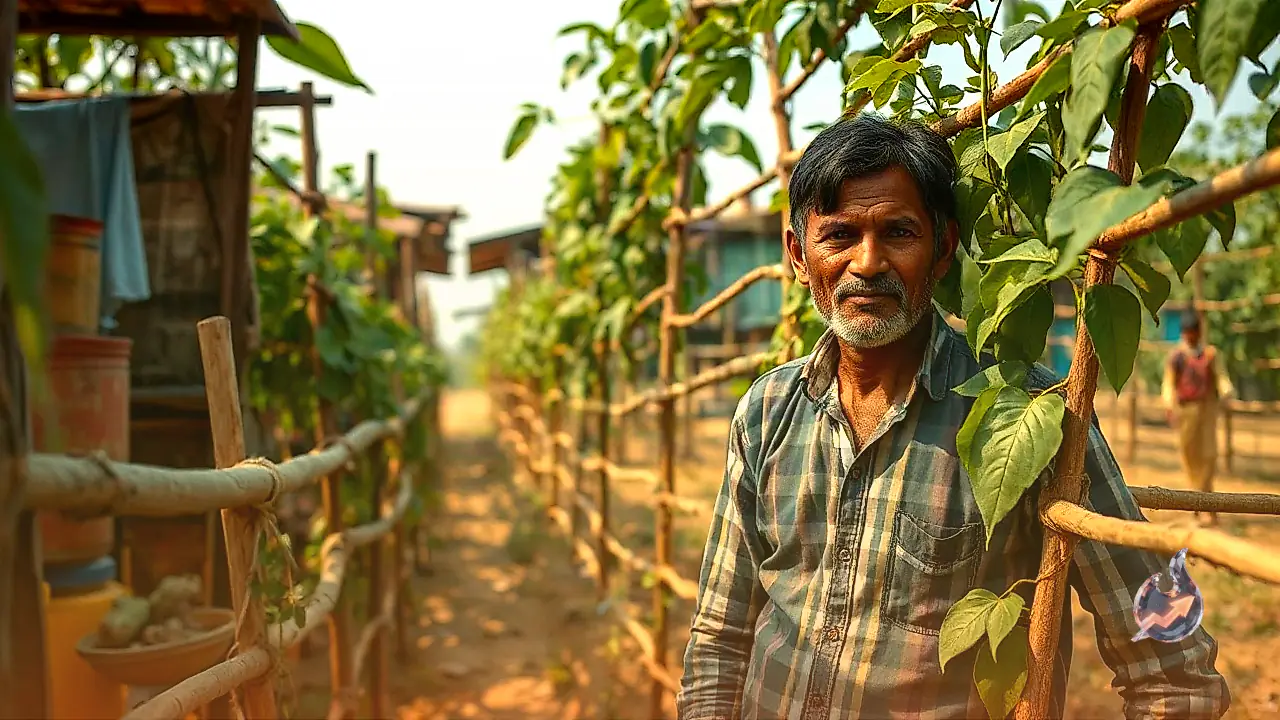























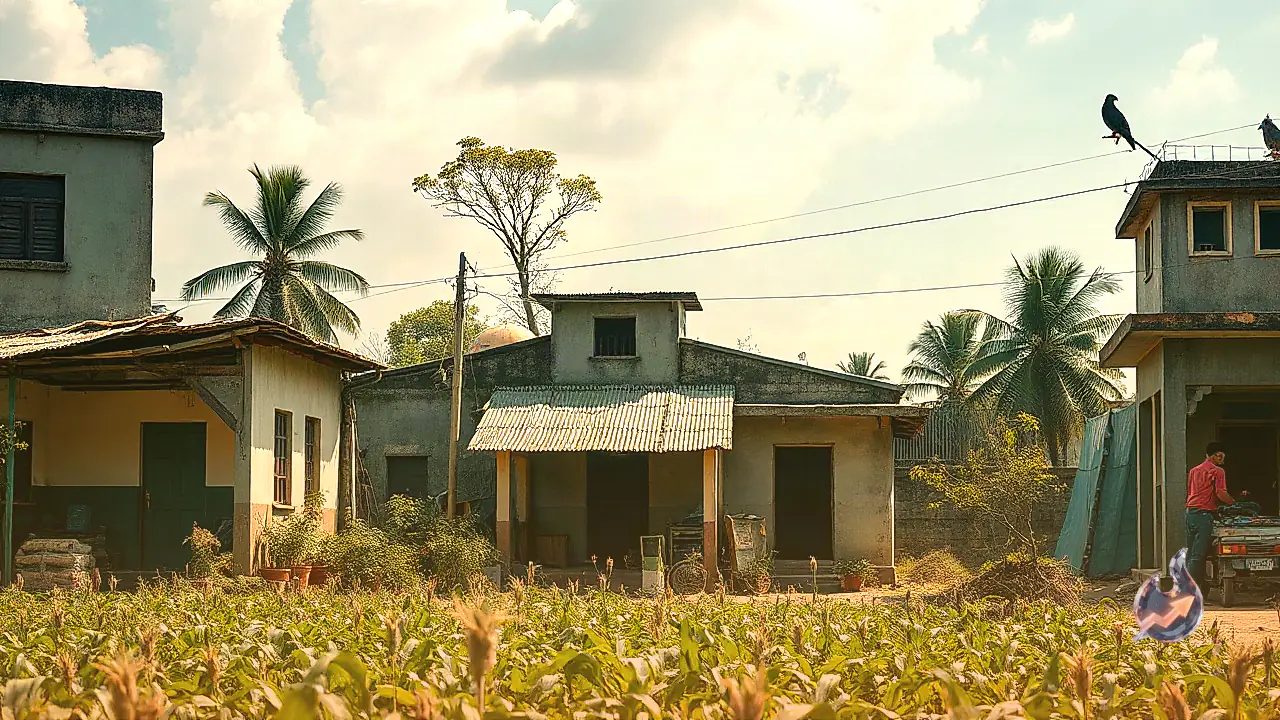

Palamu district in Jharkhand is widely recognized for its extensive cultivation of arhar, also known as pigeon pea. This pulse crop serves as a vital source of livelihood and seasonal income for local farming communities. However, cultivating the same pulse crop repeatedly in the same fields over consecutive years has triggered widespread outbreaks of crop diseases and pest infestations. Among these, wilt disease has emerged as a major threat to farm yields. To counter this agricultural challenge and protect soil fertility, experts are encouraging farmers to adopt structured crop rotation practices.
How Continuous Monoculture Damages Soil Health
According to agricultural scientist Dr. Dilip Pandey from Palamu, repeatedly growing identical crops on the same piece of land causes harmful bacteria and fungal pathogens to accumulate in the soil. Continuous pulse farming creates an environment where wilt causing fungi thrive, leading to root rot and premature plant drying. Furthermore, this practice increases pest pressure and disrupts the delicate balance of essential soil nutrients. When plants consistently extract nutrients from the same soil depth season after season, the land gradually loses its natural productivity.
Alternative Crops Such as Maize, Millet, and Ragi
The most effective and sustainable solution to break this disease cycle is alternating crop varieties. Experts advise that fields frequently affected by wilt disease should be rested from pulse crops for at least one season or year. Farmers are encouraged to plant non-leguminous alternatives such as maize, pearl millet, finger millet, or other suitable seasonal crops instead of pigeon pea. Changing the crop species starves the soil-borne pathogens of their preferred host plants, significantly reducing disease intensity and restoring healthier field conditions for future plantings.
Optimizing Nutrient Absorption Through Root Stratification
Different crops feature varying root depths, which play a crucial role in maintaining balanced soil nutrition. Rotating shallow-rooted crops with deep-rooted varieties ensures that nutrients are efficiently drawn from multiple soil layers rather than depleting a single stratum. Deep roots access minerals stored further below the surface, while shallow roots utilize nutrients near the topsoil. This natural nutrient recycling lowers the need for heavy chemical fertilizers, enabling farmers to cut down overall input costs while optimizing overall farm productivity.
Preventing Soil Erosion and Advancing Sustainable Farming
Integrating short-duration crops alongside long-duration species ensures that farm fields do not remain bare for extended periods. Uncultivated fields are highly vulnerable to soil erosion caused by heavy rains and strong winds, which wash away topsoil rich in organic matter. Practicing continuous crop rotation shields the soil surface, prevents nutrient runoff, preserves soil moisture, and promotes environmentally sustainable farming across the region.