
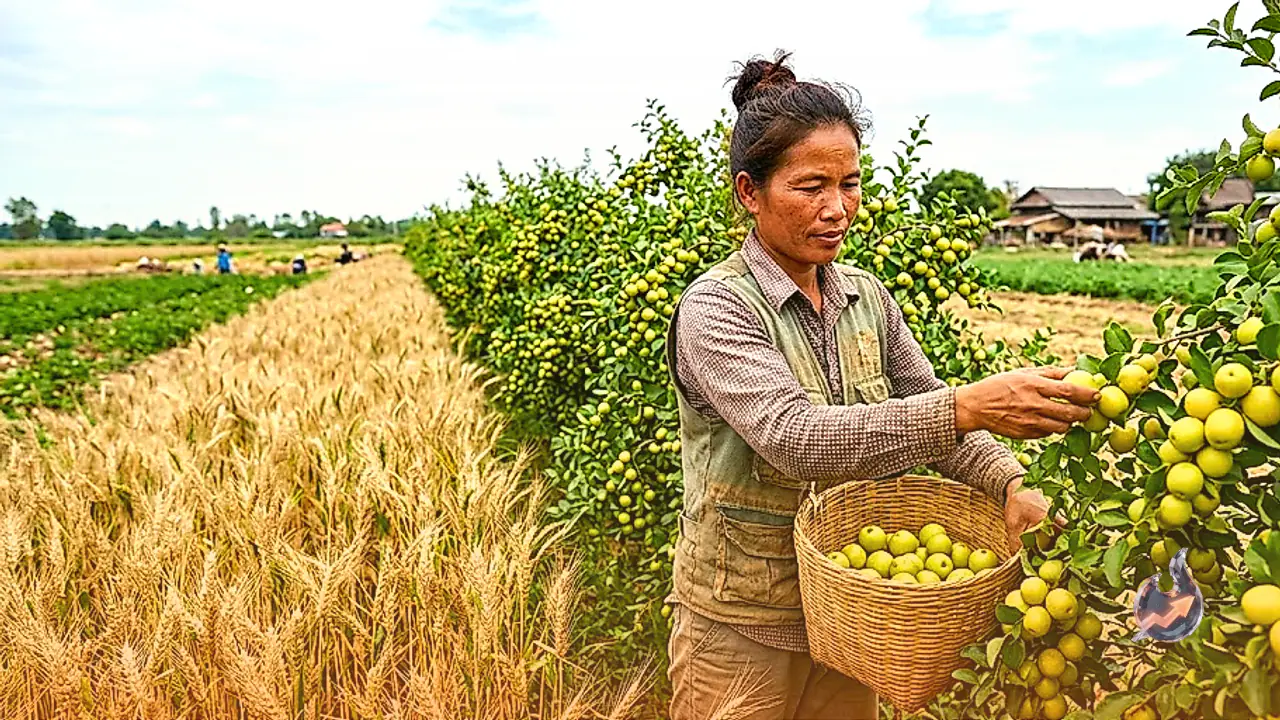























With the departure of the monsoon, the months of September and October mark a critical transitional period for dairy farming. As rainfall recedes, ambient temperatures begin to fluctuate and cooler weather gradually sets in. This environmental shift directly influences the metabolic health and overall milk productivity of milch animals. Livestock owners must consequently pay close attention to nutritional intake and shelter management during these months to prevent unwanted drops in dairy output.
Balancing Roughage and Concentrates to Maintain Cattle Energy
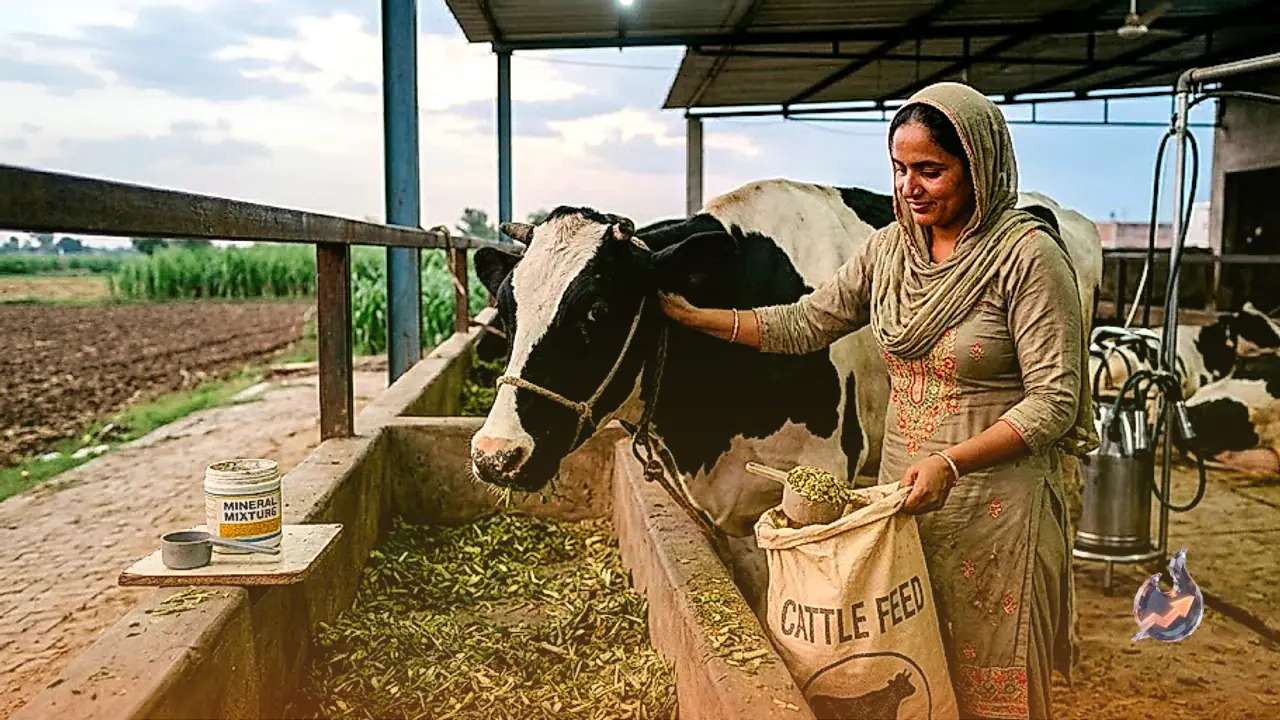
Maintaining a balanced nutritional profile during seasonal transitions remains vital for productive dairy cattle. According to Rajneesh Kumar, an animal expert at Koderma Gaushala, livestock keepers must adapt their daily management practices according to changing weather patterns so that livestock stay healthy and milk production does not decline needlessly. Kumar explained that a milch cow's daily ration should ideally consist of roughly 60 percent dry and green fodder, while the remaining 40 percent should comprise feed concentrate. Supplying this balanced ratio provides dairy animals with adequate metabolic energy and nourishment, directly supporting physical fitness and milk secretion.
Formulating Feed Concentrates and Administering Essential Minerals
The composition of daily concentrate feed must be assembled using quality nutritional ingredients. Rajneesh Kumar noted that feed mixes can incorporate cracked wheat, mustard cake, and other wholesome components. However, ration quantities should always be calibrated to the individual animal's age, body weight, breed, milk capacity, and current health status. Beyond staple feed, mineral supplementation plays a decisive role in satisfying the animal's micronutrient requirements. Along with routine rations, dairy cattle should receive around 50 to 100 grams of mineral mixture every single day. Providing supplemental calcium alongside this mixture ensures that the animal absorbs vital minerals and fundamental trace elements needed for consistent yield.
Proper Nutrition Elevates 10-Liter Milk Production to 12 Liters
Supplying additional nutrition alongside regular feed sustains an animal's body condition score while steadily bolstering dairy performance. Rajneesh Kumar highlighted that a cow yielding up to 10 liters of milk can achieve improved output of 11 to 12 liters when supported by balanced rations, regular mineral mixture, and necessary calcium. To safeguard herd health during transitional weather, livestock managers must also furnish clean drinking water, ensure feed quality remains untainted, and keep the animal housing premises clean and dry to minimize health complications.