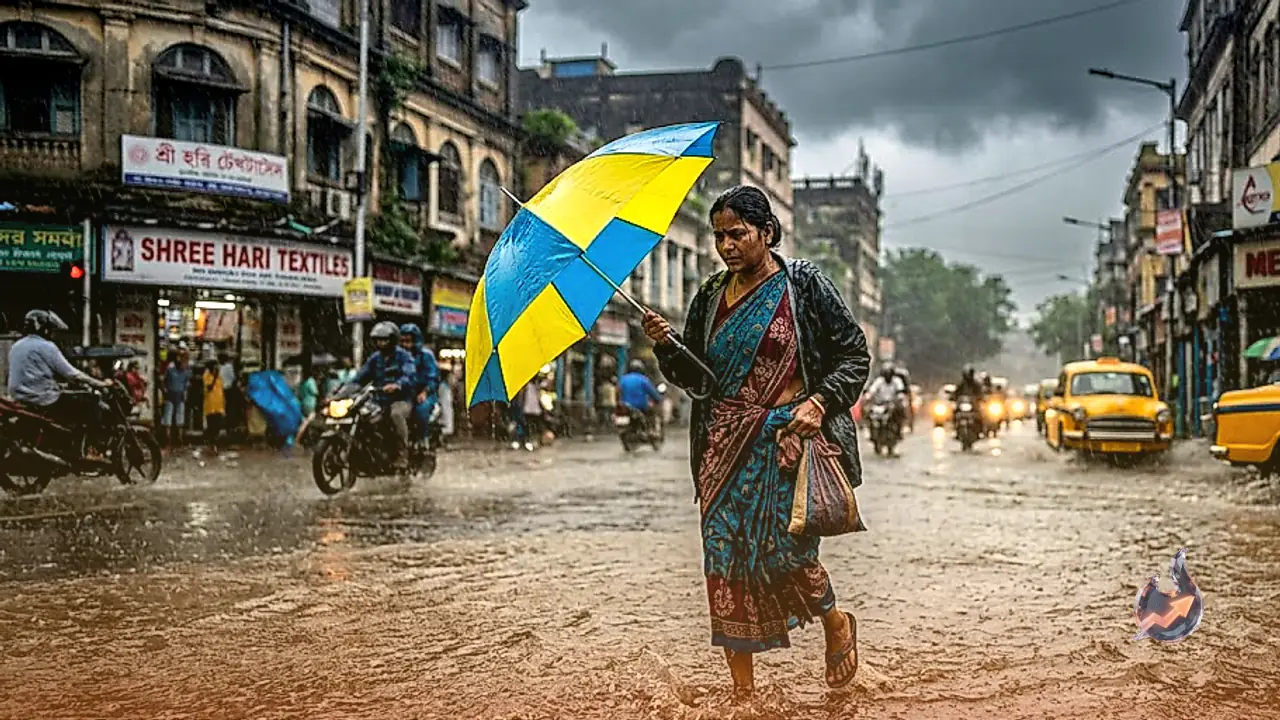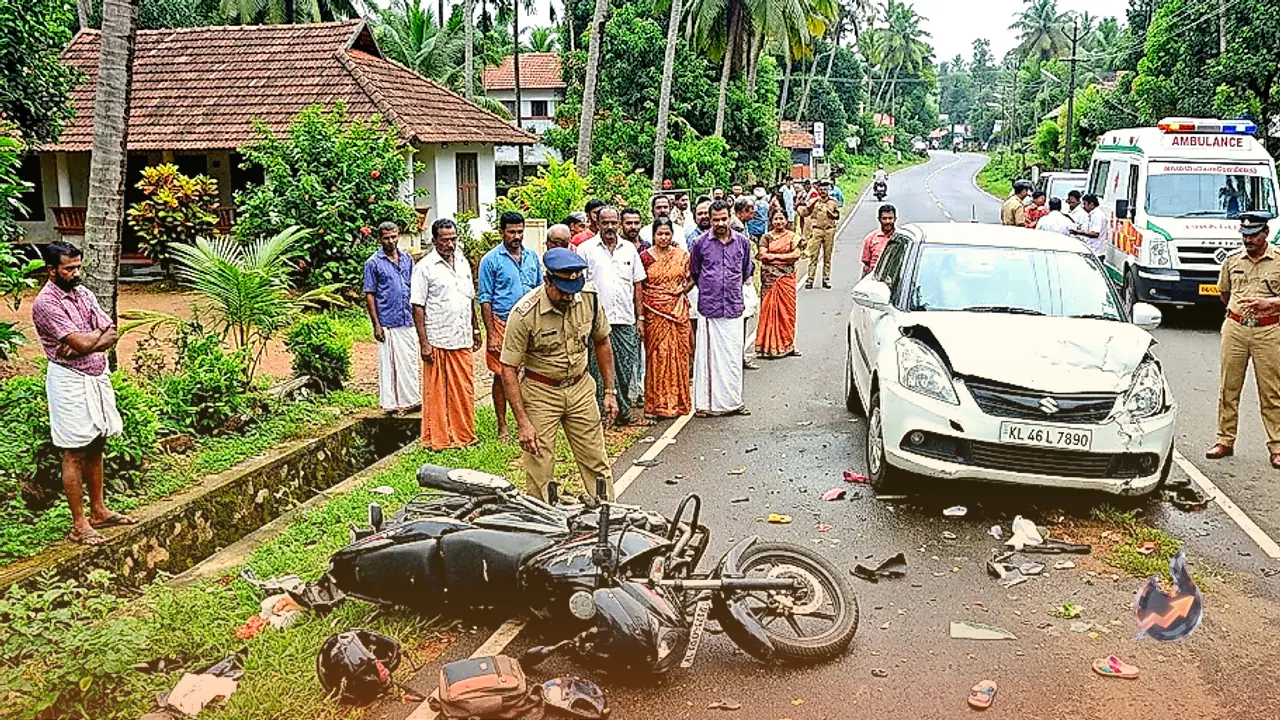






















A string of heavy rains and the damage that followed in Kerala has revived a basic question, who actually has the power to issue an official weather warning. Minister Anil Kumar has now clarified that while several agencies handle different parts of disaster management, the state government itself has no legal authority to issue weather alerts.
The state can only pass on the warning
According to Minister Anil Kumar, Kerala's government merely forwards the alerts issued by the India Meteorological Department, known as IMD. If a forecast is delayed or falls short, the responsibility for that lies with IMD, not the state. IMD has been designated the country's nodal agency for weather forecasting precisely so that accurate, reliable information reaches people through one central authority.
The law gives this power only to IMD
Under disaster management law, only IMD is authorised to issue official weather alerts. The idea behind this is to keep weather information consistent across the entire country. If every state started issuing its own alerts, it could create confusion among the public. That is why state governments do not issue alerts on their own, instead they act through their State Disaster Management Authority to simply implement whatever alert comes from the centre.
Separate agencies for floods, tsunamis and avalanches
That said, IMD is not the only body at work when disaster strikes. Certain kinds of hazards are handled by other government agencies. Flood forecasts, for instance, come from the Central Water Commission, or CWC, which continuously monitors river water levels and issues alerts when they turn dangerous. For hazards linked to the sea, such as tsunamis and cyclonic storms, an agency called INCOIS provides information to fishermen and the coast guard. Avalanche warnings in mountainous regions are issued by the Snow and Avalanche Study Establishment. Each of these agencies operates within its own domain, but the primary alert for everyday weather events like rain, storms, heatwaves and cyclones still comes from IMD.
Private forecasters can only forecast, not alert
A number of private weather companies, Skymet among the better known names, also issue their own forecasts today. These firms rely on their own technology and data analysis to put out weather information, but they have no legal authority to issue official alerts. Private agencies can only offer a forecast, they cannot issue an official warning to the public about a hazard. The power to issue Red, Orange and Yellow alerts rests solely with IMD. The reasoning is straightforward, if several agencies started issuing conflicting alerts during a disaster, it would risk triggering panic and make coordination far harder for the administration handling rescue and relief. That is why private forecasts are treated only as a reference point, while every official decision is based on IMD's alert.
Worst hit districts and the minister's response
Kerala's Pathanamthitta, Idukki and Kottayam districts have suffered the heaviest damage in the recent disaster. Addressing the criticism, Minister Anil Kumar said, "There is a lot of need to improve the current warning system." He added that rescue and relief operations in the affected areas are being carried out properly, and rejected allegations of administrative negligence as entirely baseless. According to the minister, help reached the affected areas in time, and wherever a complaint came in, officials acted on it immediately. The government also believes that had IMD's alert arrived earlier, the damage could have been reduced considerably, since a timely and accurate forecast gives both the administration and the public a chance to prepare in advance and limit the loss of life and property.