

















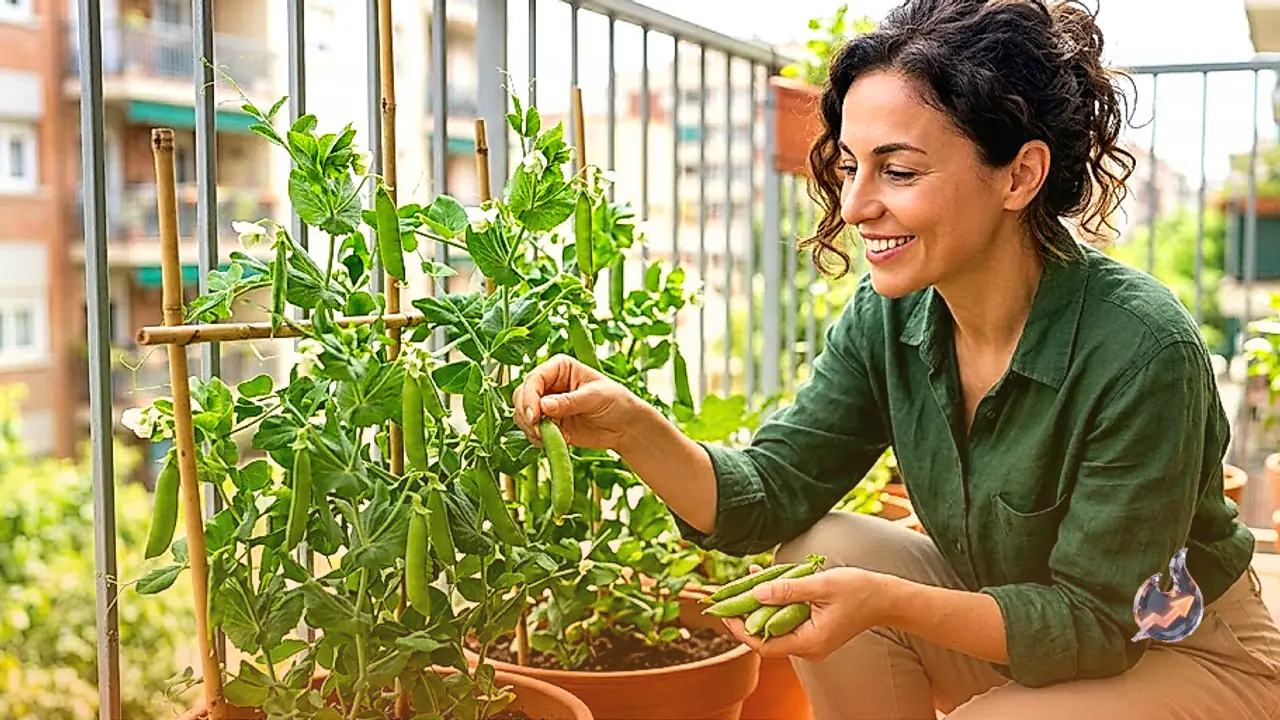

Demand for fresh green peas surges during the winter season, making them a kitchen staple. Instead of relying entirely on store purchases, gardeners can easily grow peas at home in containers placed on balconies or terraces without requiring a sprawling backyard. With high quality seeds, nutrient rich soil, consistent sunlight, and disciplined care, pea vines can yield plump, harvest ready pods in approximately 50 to 60 days. The exact duration may vary slightly depending on the specific seed variety, local climate conditions, and overall maintenance routine.
Selecting the Right Container and Drainage Setup
Choosing an appropriately sized container is the initial step toward successful pea cultivation in compact spaces. A pot with a minimum depth of 10 to 12 inches is recommended so the roots have sufficient room to anchor and spread. The container must be spacious enough to comfortably accommodate the climbing vines. Equally important are the drainage holes at the base of the pot, which allow excess water to escape freely. Standing water creates poor conditions around root zones, making proper drainage critical for plant survival.
Preparing Airy Soil with Organic Compost
Pea roots thrive in porous, well-draining soil that retains moisture without becoming waterlogged. Standard garden soil can be enriched by blending in well-rotted organic manure or compost. Adding a modest portion of sand or coco peat further enhances soil texture, keeping it loose and crumbly. This balanced mix ensures that oxygen circulates smoothly down to the root tips, promoting vigorous early growth while preventing heavy soil compaction.
Sowing Seeds at the Correct Depth and Initial Moisture
Securing dependable, high grade pea seeds from the market lays the foundation for a productive crop. When sowing, press each seed into the prepared potting mix at a depth of about 1 to 2 inches. Ensure adequate spacing between seeds so individual seedlings do not compete for space and nutrients as they mature. Give the container a light watering immediately after planting. Maintaining steady, gentle moisture in the soil is essential, though excessive watering should be strictly avoided.
Sunlight Exposure and Disciplined Watering Practices
Unrestricted sunlight plays a vital role in fueling the vegetative and flowering phases of peas. Pots should be situated in an outdoor area that receives roughly 5 to 6 hours of direct sunlight each day. When it comes to irrigation, watering frequency should be aligned with ambient temperatures and surface dryness. A reliable method is to water only when the top layer of the potting mix feels dry to the touch, as continuously soggy soil damages the delicate root network.
Providing Vine Supports and Harvesting at Peak Freshness
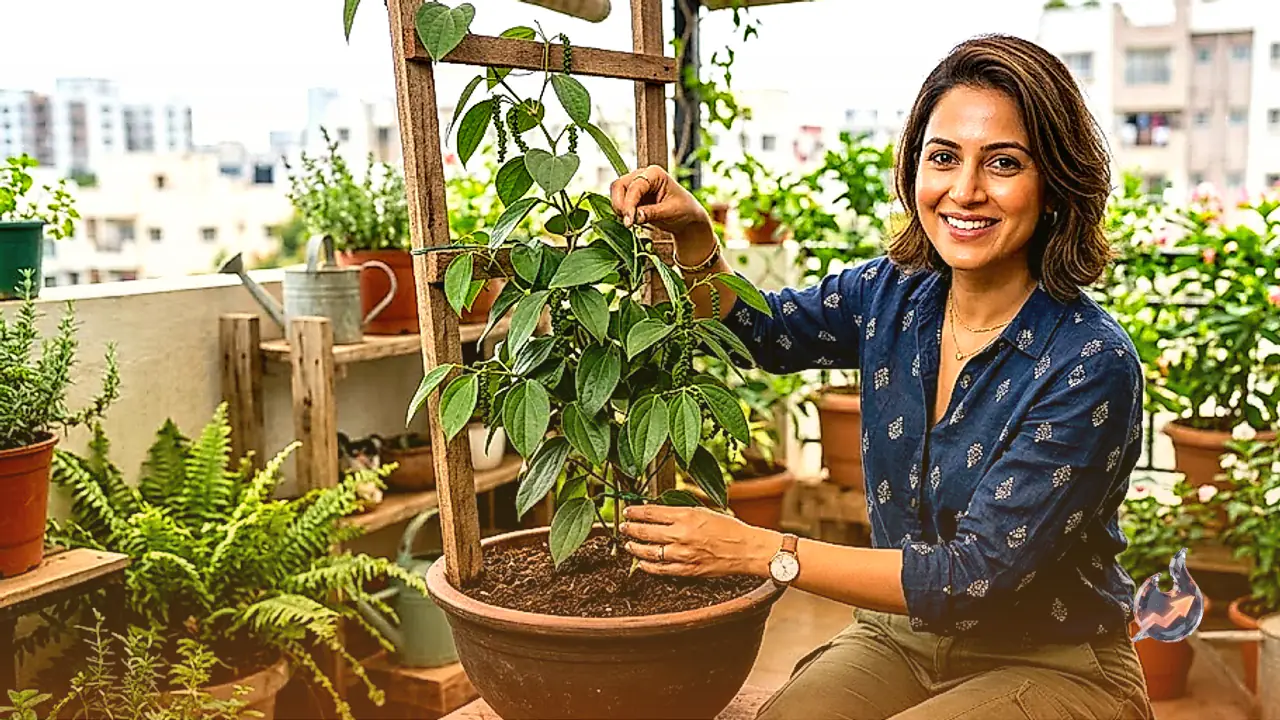
As pea seedlings mature, they produce tender climbing tendrils that require physical guidance. Placing thin wooden stakes, trellis netting, or sturdy sticks directly into the pot from the early stages provides essential structural support. Gently training the tendrils toward these supports enables the plant to expand upward. This vertical growth keeps developing pods well above the damp soil, protecting them from blemishes and rot. Soon after flowering, pods begin to form rapidly. Once the pods appear vibrant green, plump, and fully filled out, they can be harvested. Regularly picking mature pods encourages the plant to set new blooms and continue producing.