























Selecting the right tiles is among the most important decisions when designing or renovating a kitchen. Modern showrooms offer a vast assortment of textures, patterns, and dimensions. Some tiles feature a brilliant reflective sheen, while others present a flat, non-reflective matte exterior. Relying solely on aesthetic charm can lead to major practical hassles later on. The kitchen environment constantly deals with moisture, oil splatters, steam, and food residue, making it essential to prioritize durability and simple maintenance over mere looks.
Tile expert Mohammad Khaleeq Khan emphasizes that homeowners should never apply the identical tile variety to both walls and floors. Each area demands distinct structural properties. Wall surfaces require slick exteriors that allow grease splatters to wipe away without effort, whereas floor surfaces demand reliable traction to avoid accidental falls. Careful evaluation of strength, material quality, and washing convenience is essential before making any purchase.
The Practical Advantages of Glossy Wall Tiles
Glossy tiles are the most practical choice for kitchen walls. Mohammad Khaleeq Khan explains that their polished, glass-like exterior prevents oil droplets, steam, and cooking spice splatters from settling into the material. Homeowners can restore their cleanliness in seconds using a damp cloth or a gentle cleaning spray.
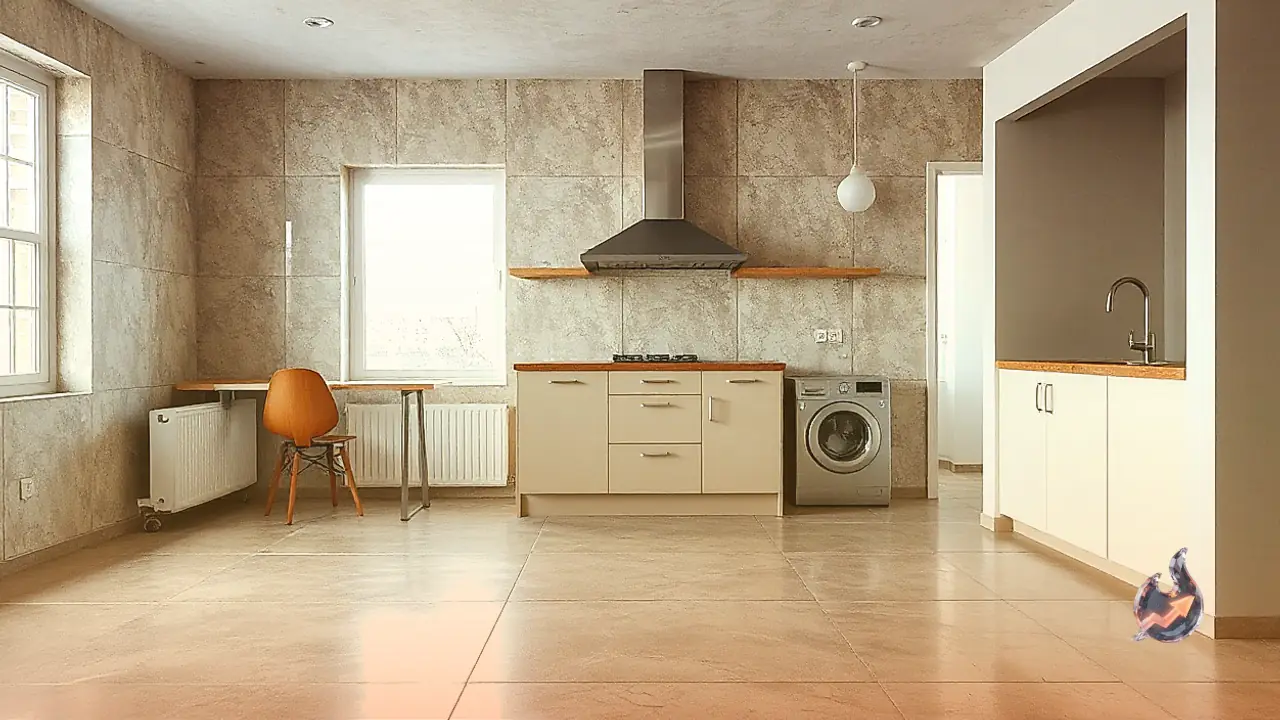
Installing these reflective tiles directly behind cooking ranges and washing sinks delivers the greatest benefit, as these zones encounter maximum cooking stains. Opting for light tones such as white, cream, or soft ivory helps reflect ambient light, making the cooking space feel notably airier and more spacious. It is worth noting, however, that extremely glossy surfaces can show dried water spots and smudges quickly, demanding regular wipe-downs to retain their spotless look.
Why Matte and Anti-Skid Options Are Essential on Floors
Preventing slip hazards must be the primary goal when laying kitchen floor surfaces. Cooking activities routinely involve water splashes, cooking oil drops, or accidental spills. Placing smooth or polished tiles across the walking path dramatically increases the chance of slipping and sustaining painful injuries.
To safeguard residents, installing matte finish or specialized anti-skid tiles on the floor is strongly recommended. The naturally textured surface of matte material ensures solid grip under bare feet or indoor footwear, maintaining firm footing throughout busy cooking sessions. Buyers should seek floor materials that deliver slip resistance without possessing grooves so deep that dirt and floor residue become trapped during routine mopping.
Comparing Ceramic and Vitrified Material Choices
Ceramic and vitrified products serve as the two primary construction choices for modern kitchens. Ceramic pieces are light, economical, and particularly well-suited for wall cladding. They offer an extensive spectrum of printed motifs, warm shades, and decorative trims that keep renovation spending manageable.
Vitrified tiles, by contrast, are compressed under extreme industrial force and heat, resulting in a dense body with very minimal moisture absorption. This structural density grants exceptional resistance against structural wear, dampness, and surface cracks. Thanks to their longevity and moisture barrier properties, vitrified tiles perform exceptionally well on heavy-use floors. When evaluating options, buyers must verify tile thickness, precision edge cutting, and the designated application area.
Evaluating Dimensions, Grouting Quality, and Budgets
Accurately measuring the kitchen dimensions and establishing clear spending parameters should always precede tile shopping. Installing small tiles inside compact kitchens creates numerous visible grout lines, which can make the room look cluttered and narrow. Using larger dimensions in soft, pale shades helps visually expand tight areas into open, comfortable spaces.
Furthermore, the quality of the grout packed between individual tiles requires close inspection. These joinery lines often become magnets for grease accumulation and stubborn dark residue over time. Homeowners should insist on high-grade, stain-resistant grouting products that simplify surface scrubbing. Examining the tile packaging for clear ratings regarding slip resistance, water absorption percentages, and load-bearing strength guarantees an investment that remains durable and attractive for years.