























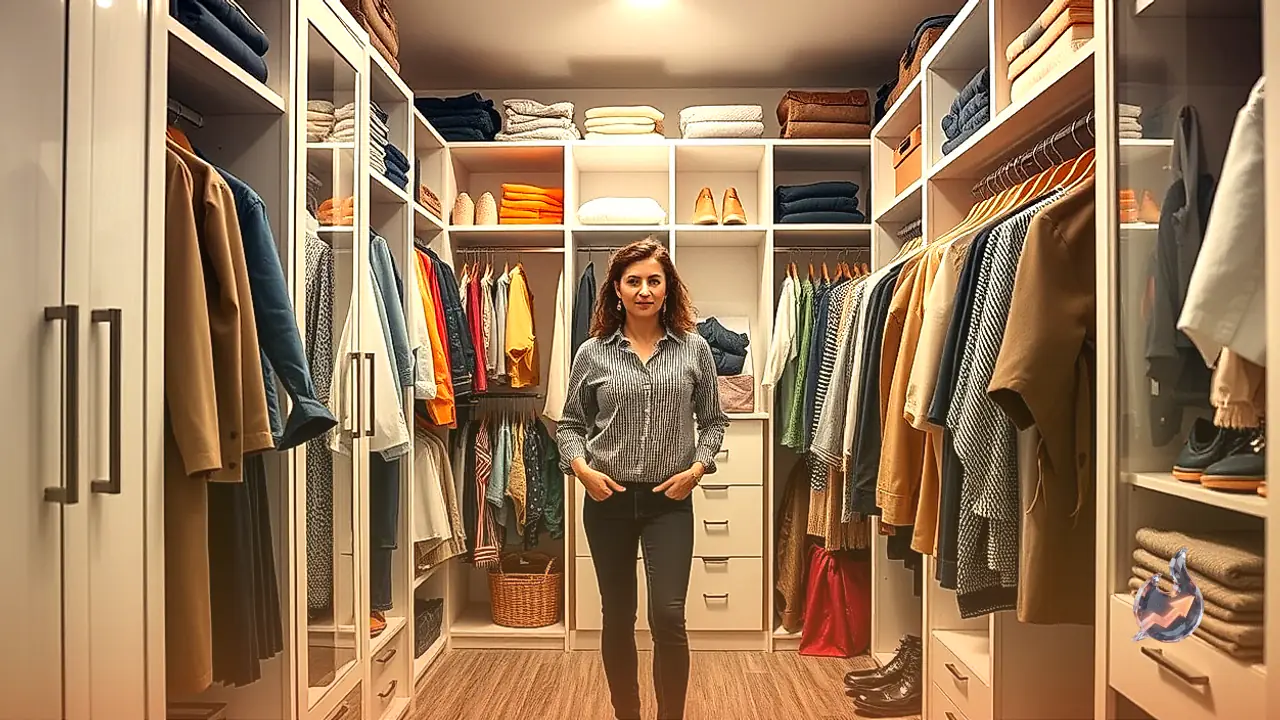

Opening a small closet only to be greeted by a messy pile of clothes, where locating a single outfit takes endless minutes, is a routine frustration in many households. The core issue in such situations is often not the lack of physical square footage, but rather the absence of a structured system for storing garments. Without thoughtful arrangement, even a sparse wardrobe quickly descends into visual chaos. Bollywood actor Sonam Kapoor is widely celebrated for her refined fashion choices, and her personal style provides practical inspiration not just for dressing well, but also for maintaining an uncluttered, functional closet. Creating an orderly wardrobe does not require investing in expensive organizers or buying an oversized cupboard, as simple planning and category-based storage can transform even the tightest quarters.
Begin the Organization Process with Thorough Sorting
A successful wardrobe overhaul begins not with folding or stacking, but with ruthless sorting. Most individuals hold on to items that have remained untouched for months or even years, and holding onto unworn pieces consumes critical space. Until these idle garments are cleared out, creating functional breathing room in a compact cupboard remains impossible.
A practical strategy is dividing all clothing into three distinct groups. The first group should comprise everyday casual wear, the second for occasional outings, and the third reserved strictly for formal occasions and festive gatherings. Sorting clothes this way prevents the daily scramble that tends to disarrange the entire closet whenever someone gets dressed. Additionally, clothing that does not suit the ongoing season should be removed from the main shelves and packed neatly into independent bags or sealed storage containers.
Divide Garments into Clearly Defined Categories
Clutter accumulates fastest when kurtas, tops, trousers, and scarves are dumped indiscriminately into a single open compartment. This habit wastes available vertical room and makes retrieving a single garment without disturbing the rest nearly impossible. Building a habit of categorizing clothes and assigning dedicated spots for each type solves this issue.
Dedicate one specific shelf exclusively to kurtas, assign trousers and denim to another designated section, and set aside a separate organizer or compartment for scarves and dupattas. When every distinct type of garment has a permanent, predictable home, the cupboard appears balanced, calm, and tidy even when holding a substantial volume of clothes.
Rethink Folding Techniques to Reclaim Lost Shelf Space
The conventional practice of stacking folded clothes into tall towers often backfires in small spaces. Garments placed near the bottom of high stacks remain hidden from view, and tugging one item from beneath invariably causes the whole structure to collapse. Switching to an upright folding method eliminates this hassle completely.
Lighter garments such as t-shirts, thin tops, and casual items can be folded into compact rectangles and arranged vertically side by side, much like files lined up inside an office drawer. This vertical arrangement allows every piece to remain visible the moment the door opens. Retrieving an outfit becomes effortless, as sliding out one shirt leaves the neighboring pieces undisturbed in their original positions.
Shift Heavy and Off-Season Wear to Alternate Locations
Bulky sweaters, winter jackets, and heavy shawls occupy an immense amount of physical volume. Leaving these items on prime wardrobe shelves during warm weather consumes space that should belong to daily staples. As weather conditions change, packing away heavy pieces into separate fabric containers or luggage keeps the main closet airy.
These storage containers can be stowed on the highest overhead shelves or placed in bottom cabinets that are difficult to access daily. Homes with under-bed storage drawers or hollow bed frames can utilize that area specifically for winter items. Clearing out off-season bulk leaves the everyday closet light and focused on pieces relevant to the present routine.
Use Hangers Strategically Instead of Hanging Everything
A common organizational mistake is placing every loose article of clothing onto hangers, which rapidly exhausts hanging rod capacity. Hanging small or stretchable items creates unnecessary crowding. Closet space is utilized far better when hangers are reserved strictly for garments prone to severe creasing, such as structured blazers, jackets, and formal button-down shirts.
Uniformity in hangers also plays an important role in conserving space. Swapping out bulky plastic or heavy wooden hangers for slim, standardized hangers creates uniform spacing along the rail. This simple switch prevents garments from jamming against one another, enhances overall visual appeal, and streamlines the process of selecting an outfit.
Adopt Sonam Kapoor’s Versatile Styling Philosophy
Sonam Kapoor is widely recognized across the fashion landscape for her bold experimentation with diverse colors, rich textures, and creative layering. Her approach to personal style offers a valuable lesson for everyday wardrobe curation: instead of continually adding new clothes to an overflowing closet, one should focus on maximizing how existing items can be worn in different ways.
A basic kurta can be transformed repeatedly simply by pairing it with contrasting dupattas, ethnic waistcoats, or varied jewelry pieces. In the same vein, a well-fitted pair of jeans pairs seamlessly with a long kurti, a formal shirt, or a relaxed casual tee to produce distinct silhouettes. Learning the art of restyling and mixing components delivers countless wardrobe combinations with fewer garments, keeping the closet light and clutter-free.