























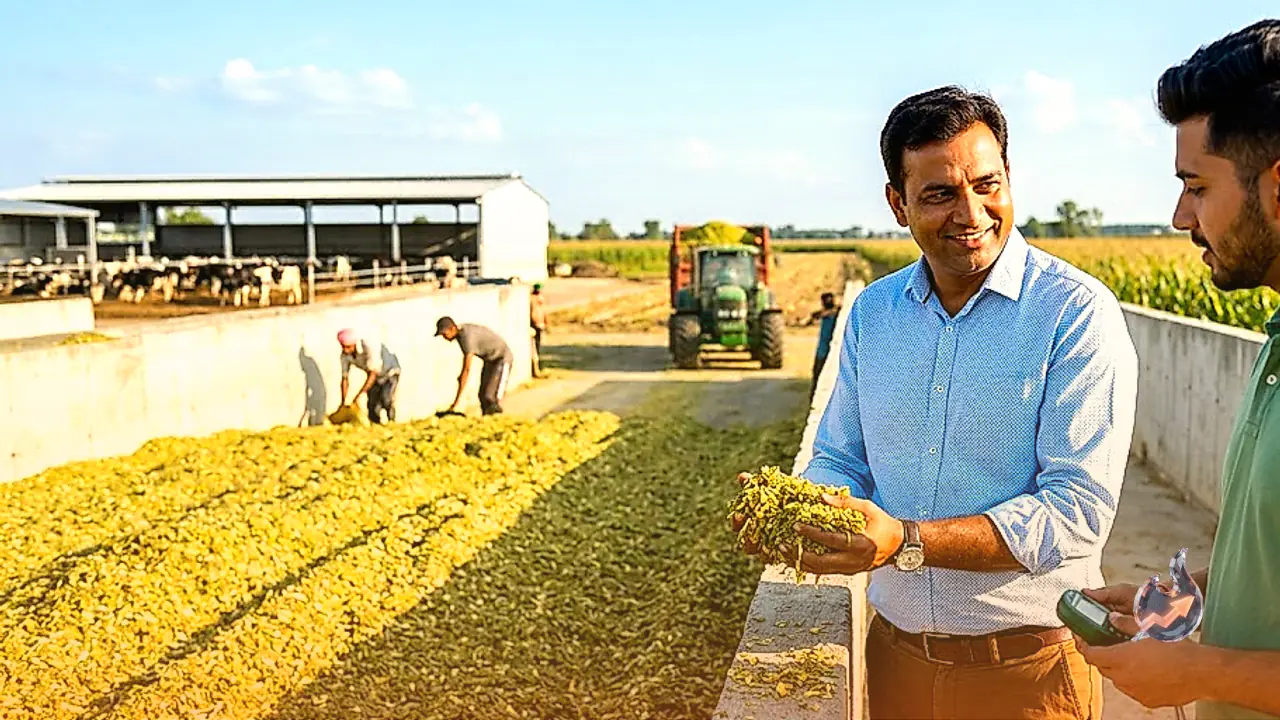

Dairy farmers frequently face intense operational challenges during dry spells and peak summer months due to the acute shortage of fresh green fodder. To navigate these dry periods while keeping milk output stable, silage stands out as an exceptionally practical tool. Frequently referred to by farmers as cattle fodder pickle, this method allows fresh agricultural forage to be preserved across several months under controlled anaerobic conditions. Dairy cattle relish its palatable, fermented taste, consuming it readily. Silage can deliver vital energy, proteins, and essential nutrients, reinforcing a herd's nutritional balance when integrated into a well-managed daily ration. Even so, milk output ultimately reflects a combination of animal genetics, health condition, hydration levels, overall diet, and management practices.
Creating a Fodder Reserve for Scarcity Periods
Silage is essentially green forage that undergoes controlled fermentation in the complete absence of air. Farmers safely prepare it using specialized storage structures where atmospheric oxygen cannot penetrate. Its primary operational benefit lies in bridging availability gaps: whenever fields dry up or fresh pastures disappear, livestock keepers can dip into their stored silage reserves. Acting as a dedicated fodder bank, it shields animals from malnutrition during droughts and dry seasons. Farmers can harvest generous surpluses from their acreage in one operation, convert the crop into preserved silage, and dispense it gradually over subsequent months.
Best Crops: Maize, Sorghum, and Pearl Millet
Crops such as maize, sorghum, and pearl millet serve as prime candidates for crafting superior silage. Their natural internal moisture levels and concentration of soluble sugars create ideal conditions for rapid fermentation. Among these varieties, maize silage enjoys widespread popularity and proven effectiveness in dairy management.
Timing the harvest remains crucial to success. Stalks should be harvested precisely when internal crop moisture levels hover between 65 and 70 percent, aligning with the stage when maize kernels transition from their milky interior to a firmer texture. Cutting the crop either prematurely or too late hinders optimal fermentation, compromising preservation quality.
Chop Size and Packing Mechanics
Directly following harvest, mechanical choppers slice the forage into uniform, miniature portions. Agricultural practitioners generally advise chopping the stems down to an approximate length of half an inch to one inch. Uniform chopping at this dimension facilitates tighter packing, allowing air pockets to be thoroughly evacuated during compression.
The chopped material is subsequently transferred into silo pits, bunker trenches, or specialized thick plastic bags. Throughout the loading process, continuous heavy pressing is essential to compress every layer and force residual atmospheric air out of the enclosure.
Sealing and Anaerobic Fermentation
The decisive phase of silage preparation is establishing an airtight boundary. Once the chopped forage is compressed into place, durable plastic sheets seal the structure completely against air leakage. Deprived of oxygen, beneficial lactic acid bacteria feed upon the soluble sugars trapped inside the fodder.
This microbiological activity produces lactic acid, which drops the internal pH and naturally cures the crop, preventing decay-causing microbes from multiplying. This chemical conversion preserves the green material across prolonged storage periods. When protected from external punctures and leaks, well-made silage retains its nutritional value for several months.
Veterinary Insights and Practical Advantages
Veterinary doctor DK Shriwal points out that when forage is harvested at optimal maturity and processed correctly, silage provides a highly nutritious dietary alternative for farm animals. Dairy cows find its fermentation profile appealing, which encourages vigorous feeding. Integrating it into regular rations addresses baseline nutritional needs and helps maintain consistent milk production during harsh climate phases.
Shriwal noted that instead of relying exclusively on commercial feedstuffs, farmers can tap their own fields of maize, sorghum, or pearl millet to produce silage on-site. This domestic approach stabilizes year-round feed supplies and shields agricultural households from financial stress during prolonged forage shortages.
Crucial Feeding Precautions
Farmers must recognize that silage delivers nutritional advantages only when properly prepared and maintained. If an opened silo reveals signs of fungal growth, rotten textures, discoloration, or foul odors, that batch must never be fed to cattle, as spoiled fodder can trigger severe health complications.
Furthermore, silage must not be treated as a total replacement for an animal's entire dietary spectrum. It works best as an integrated component within a comprehensive nutritional plan. Cattle must continue to receive abundant clean drinking water along with appropriate allocations of dry roughage, oil cakes, concentrate grains, and mineral mixtures. Consulting a veterinarian or animal nutrition specialist ensures the daily feeding volume accurately reflects each animal's age, breed, lactation output, and physical condition.