























The United States military has unleashed a relentless wave of aerial bombardments against Iranian strategic targets for an eleventh consecutive night, signaling a severe and uncompromising intensification of the ongoing Middle Eastern conflict. President Donald Trump has made it unequivocally clear to the international community that the American military campaign is nowhere near its conclusion, issuing stern warnings that the offensive operations will not only continue but could escalate further in the coming days. This protracted and highly destructive military engagement has sent powerful shockwaves throughout the entire region, severely jeopardizing fragile diplomatic initiatives that were urgently aimed at resurrecting a collapsed interim ceasefire agreement in neighboring Pakistan. The rapidly expanding scope of these hostilities now threatens to engulf surrounding nations, disrupt global economic stability, and fundamentally alter the geopolitical landscape of West Asia as both heavily armed sides dig in for a prolonged and devastating military confrontation.
Strategic Targets and the Chokepoint Challenge
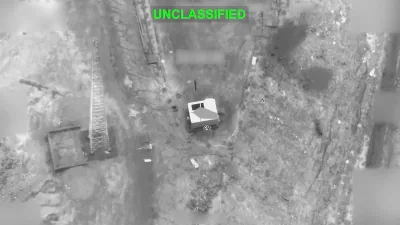
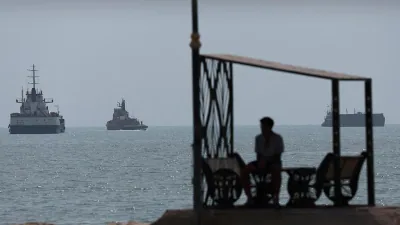
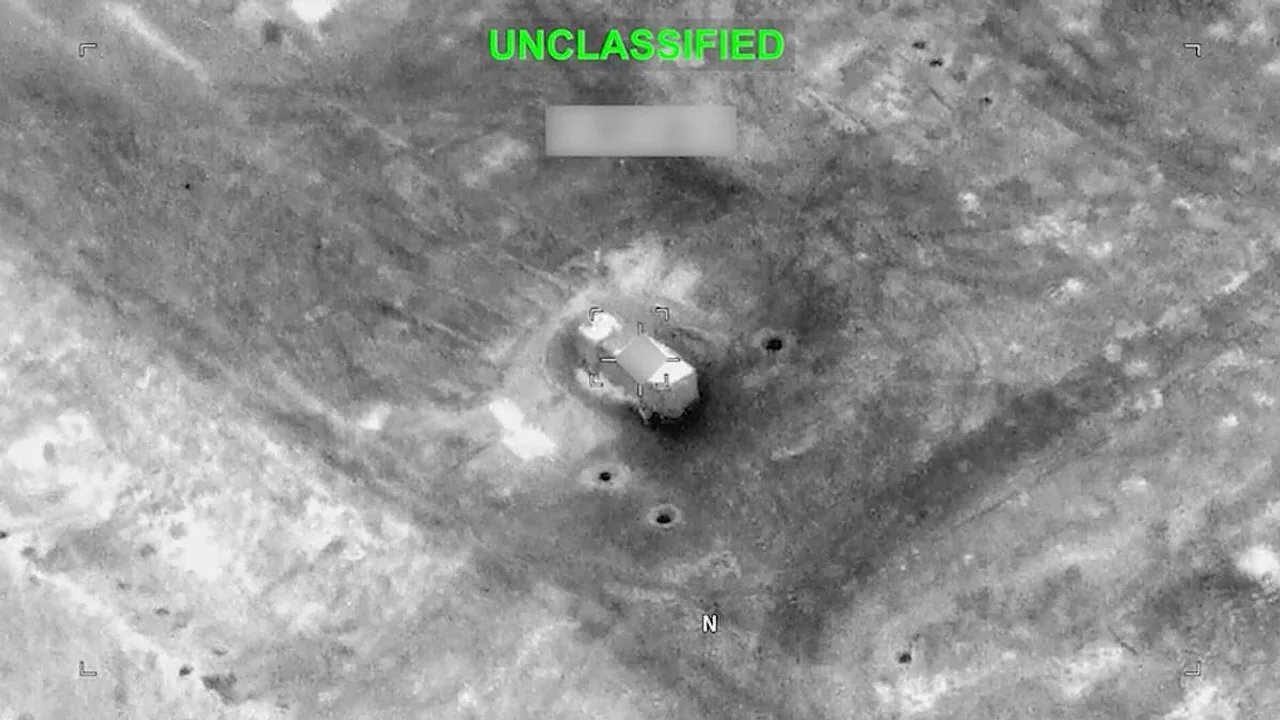
According to comprehensive and detailed operational briefings released by the United States Central Command, the latest nighttime tactical sorties were meticulously planned to systematically cripple Iran's advanced aerial strike capabilities. The primary targets of this sustained bombing campaign included extensive, highly secure drone storage facilities and heavily fortified aircraft hangars, which are absolutely critical to Tehran's ability to project regional power and launch retaliatory asymmetric strikes. Despite this unprecedented and overwhelming barrage of precision-guided munitions raining down for over a week and a half, the Pentagon has encountered deeply concerning strategic hurdles on the ground. Most notably, the continuous American bombardment has completely failed to dislodge or even substantially weaken Iranian operational control over the vital Strait of Hormuz. Prior to the outbreak of full-scale hostilities earlier this year, this extremely narrow maritime chokepoint served as the primary transit route for approximately one-fifth of the world's total crude oil and natural gas exports. Washington's glaring inability to secure this indispensable waterway remains a massive vulnerability in its current wartime strategy, leaving global energy markets on edge and making commercial shipping fleets highly vulnerable to sudden, catastrophic disruption.
Mounting Financial Burden and Domestic Pushback
The profound domestic ramifications of this rapidly expanding conflict are becoming increasingly pronounced and contentious in Washington. On Tuesday, Defense Secretary Pete Hegseth encountered fierce political opposition, facing a sustained barrage of tough questions from skeptical lawmakers while simultaneously navigating through intense public protests regarding the administration's aggressive war policies. During these heated congressional exchanges, Hegseth provided a staggering and sobering financial assessment, formally estimating that the United States treasury has already expended a colossal $37.5 billion on the Iranian military campaign alone. This startling financial revelation arrives at a highly critical legislative juncture, precisely as Republican lawmakers in Congress are actively drafting a massive $95 billion supplemental funding package designed to bankroll the ongoing military operations alongside other pressing White House national security priorities. Hegseth vigorously defended these astronomical expenditures to the press and public, characterizing the supplemental wartime budget as a highly necessary and important financial commitment to ensuring absolute global supremacy. Furthermore, the Defense Secretary aggressively championed President Trump's sweeping, historic $1.5 trillion overall defense budget proposal, framing it as an epoch-making investment that will fundamentally rebuild, modernize, and future-proof the American armed forces for generations to come.
Widening the Theater of War
As advanced munitions continued to obliterate infrastructure on Iranian soil throughout Tuesday, President Trump firmly doubled down on his administration's aggressive military posture. He issued a stark, uncompromising public warning that the United States is absolutely not backing down and that the severe punitive actions against Tehran are far from over. This defiant rhetoric closely aligns with a highly troubling expansion of the conflict's geographical boundaries across the Middle East. In direct, calculated response to the relentless American bombing campaign, Tehran has aggressively broadened its own offensive operations, actively authorizing its vast network of proxy militant forces to target various aligned Gulf nations. The regional security situation deteriorated even further when Iran's closely aligned regional allies, the heavily armed Houthi rebels, issued deeply alarming threats to impose a strict, crippling naval blockade on major Saudi Arabian commercial ports. Reflecting on the sheer, unprecedented scale of the infrastructural and economic destruction inflicted upon the adversary during the two chaotic weeks since this historic rivalry erupted into open warfare, the American president offered a grim, devastating prognosis for the enemy nation's future. "If we back off now, it will take Iran 20 to 25 years to fix everything again," Trump stated, emphasizing that American forces have no intention of halting their relentless advance.
Honoring the Fallen at Dover Air Base
Amidst the escalating, high-stakes geopolitical rhetoric and complex strategic military maneuvering, the stark and tragic human cost of the conflict will be brought into sharp, heartbreaking focus today. President Trump is officially scheduled to travel to Dover Air Force Base to solemnly participate in a highly dignified transfer ceremony on the tarmac. He will be present in person to pay his ultimate final respects to the flag-draped remains of four American service members who recently lost their lives in the violent Middle Eastern theater, right before they are officially handed over to their grieving, devastated families. The White House press office formally confirmed the president's planned attendance, pointedly highlighting that participating in these poignant, grief-stricken ceremonies remains one of the most solemn, gravest, and most heart-wrenching constitutional duties required of the commander-in-chief. Tragically, this upcoming visit will mark the third specific occasion Trump has had to undertake this deeply mournful journey to the Delaware military base since he officially initiated the expansive wartime campaign against Iran this past February, starkly underscoring the steadily mounting American combat casualties resulting from the prolonged, bloody engagement.
Global Repercussions and Diplomatic Warnings
The massive economic and security shockwaves of the escalating Middle Eastern war are being acutely felt across the entire globe, prompting urgent, dire warnings from top-ranking American diplomats stationed abroad. While attending a highly publicized, high-level diplomatic summit alongside ASEAN foreign ministers in Manila, United States Secretary of State Marco Rubio delivered a profoundly sobering assessment of the deteriorating international situation. He strongly cautioned the broader international community that allowing the Iranian regime to maintain unchallenged military dominance over the crucial Strait of Hormuz would establish a disastrous, irreversible global standard, with catastrophic economic consequences rippling far beyond the immediate borders of West Asia. His pointed remarks were strategically timed to maximize impact, coming immediately following the Central Command's official confirmation of the eleventh consecutive night of airstrikes, which military planners explicitly stated were aimed at permanently blunting Tehran's capacity to menace unarmed commercial vessels in the strategic maritime corridor. "If a country can take over an international waterway and destroy ships, it will be a very dangerous example for the world," Rubio emphatically warned the assembled Asian envoys, correctly pointing out that tolerating such brazen maritime impunity could easily inspire similar, economically devastating naval blockades in other hotly contested maritime regions worldwide.
Lebanon's Push for Territorial Integrity
While the explosive United States-Iran conflict thoroughly dominates global news headlines, crucial localized efforts to restore fractured stability are simultaneously underway elsewhere in the volatile region. In Lebanon, Prime Minister Nawaf Salam has been actively and tirelessly pursuing complex diplomatic avenues in a desperate bid to fully reclaim national sovereignty and secure peaceful borders. During a highly significant, heavily guarded field visit on Tuesday, the Prime Minister confidently assured local citizens that the central government in Beirut is working relentlessly to decisively secure the complete, unconditional withdrawal of Israeli military forces from all southern territories that still tragically remain under armed occupation. His extensive national tour included a highly symbolic stop in Zawtar al-Gharbiya, a specially designated pilot zone recently established to definitively demonstrate the Lebanese national army's institutional capability to effectively disarm and permanently displace entrenched Hezbollah militants from the tense border region. These specific, highly monitored security zones are a foundational, non-negotiable element of a complex, Washington-brokered diplomatic agreement with Israel aimed squarely at preventing a broader, catastrophic northern military front from rapidly opening up. "We will continue our efforts on the political and diplomatic front to ensure the complete withdrawal of Israel from the south," Salam promised the crowd, emphasizing a steadfast national commitment to peaceful resolution amidst the terrifying, all-consuming regional inferno surrounding them.