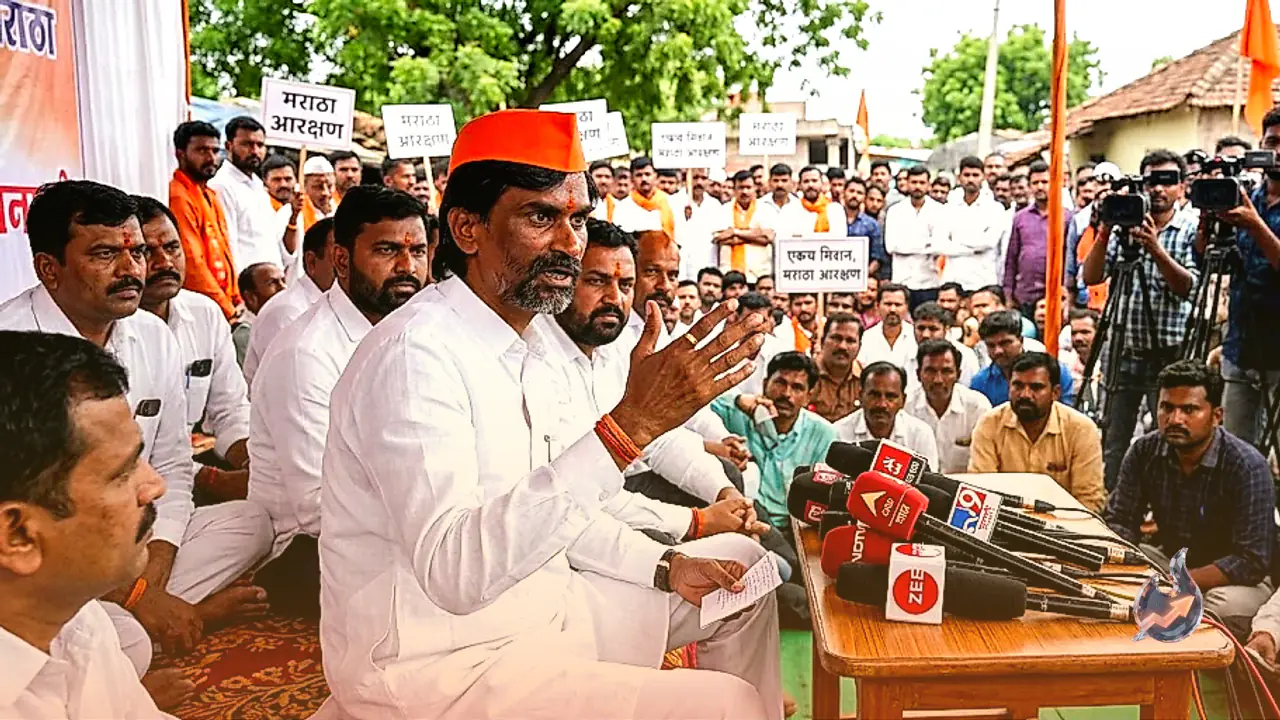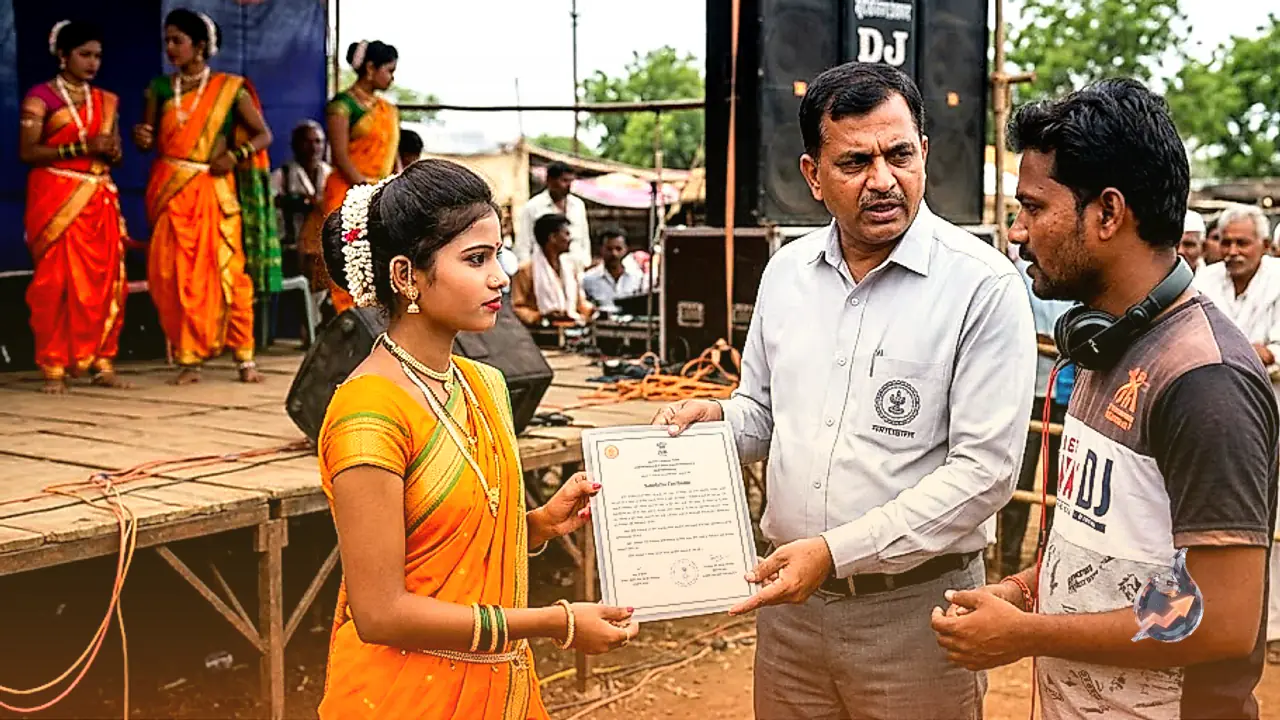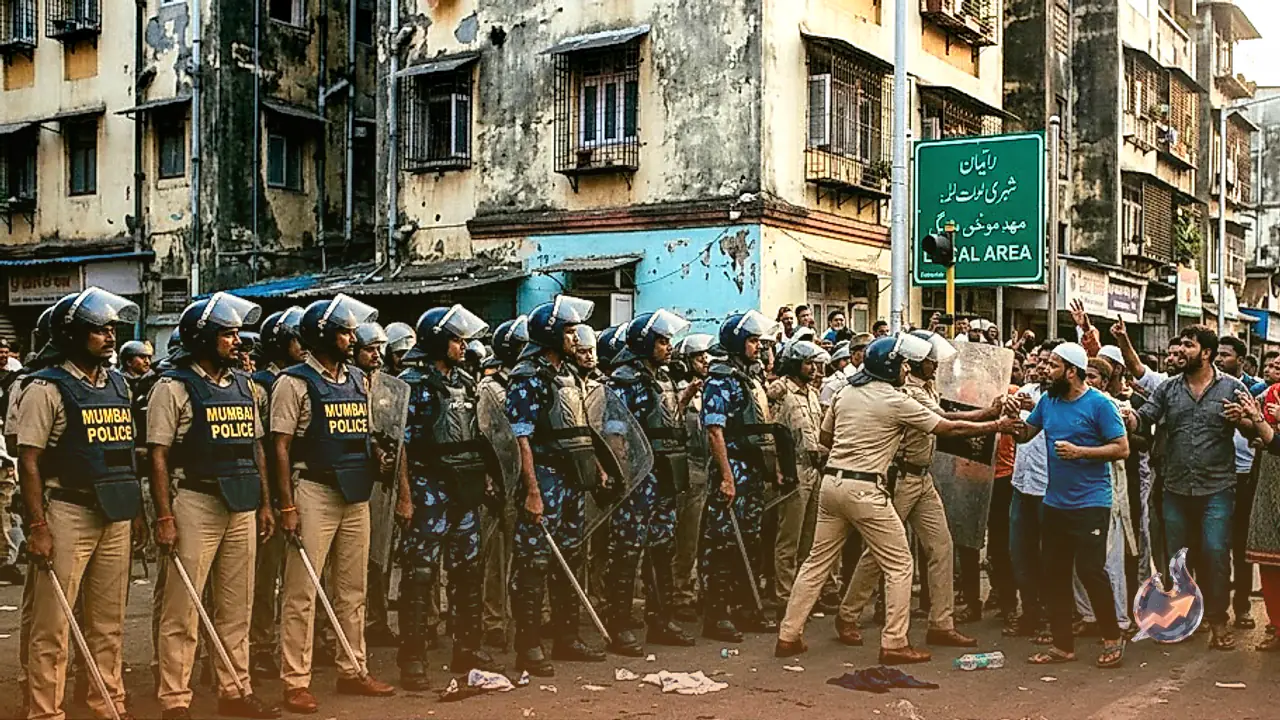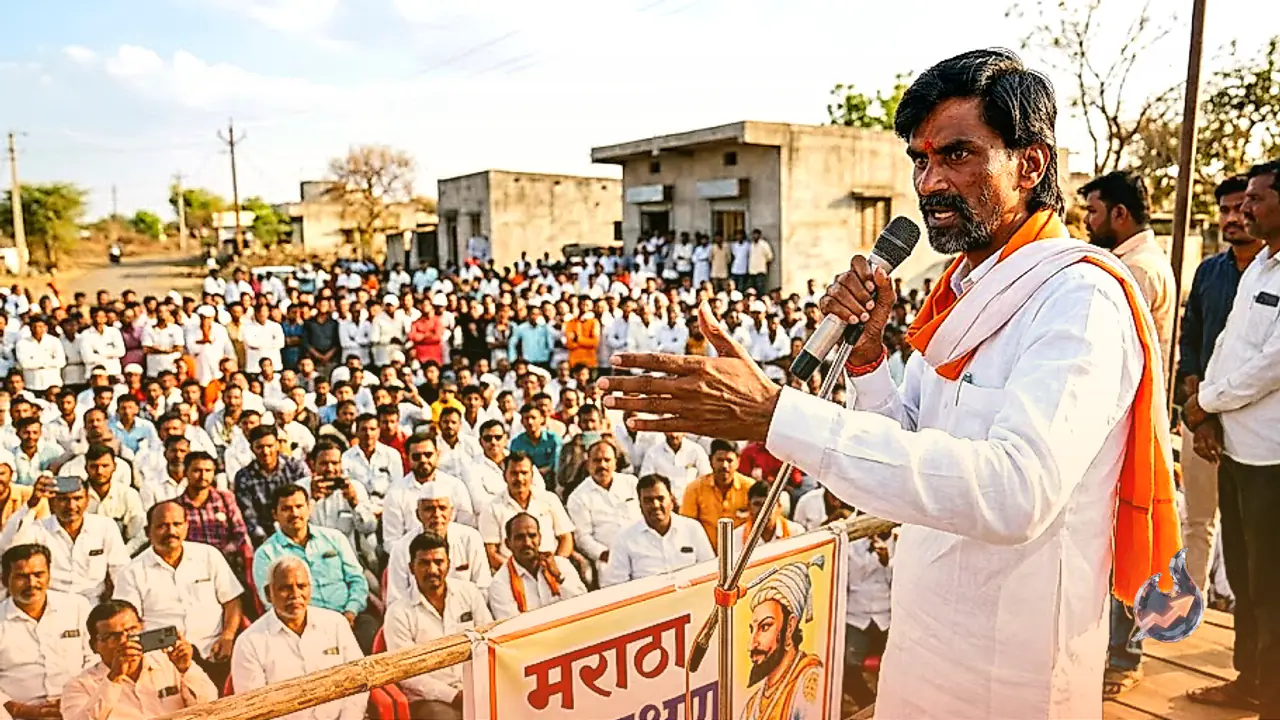





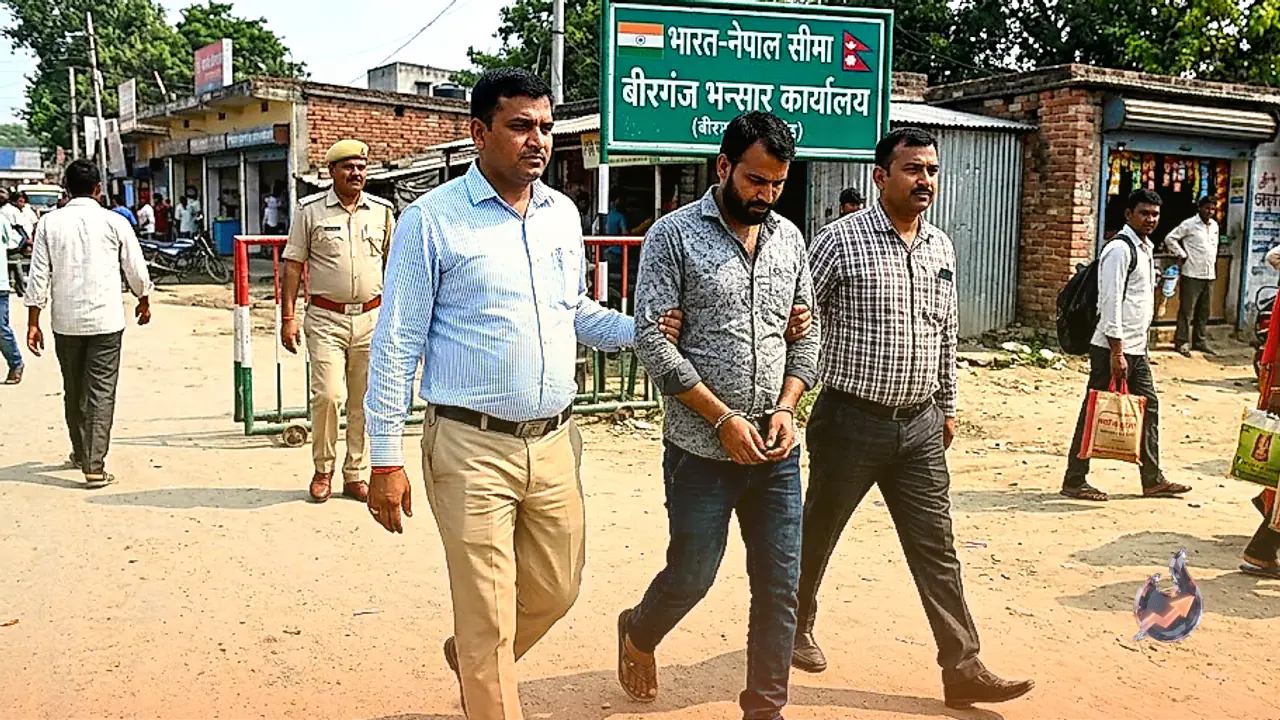














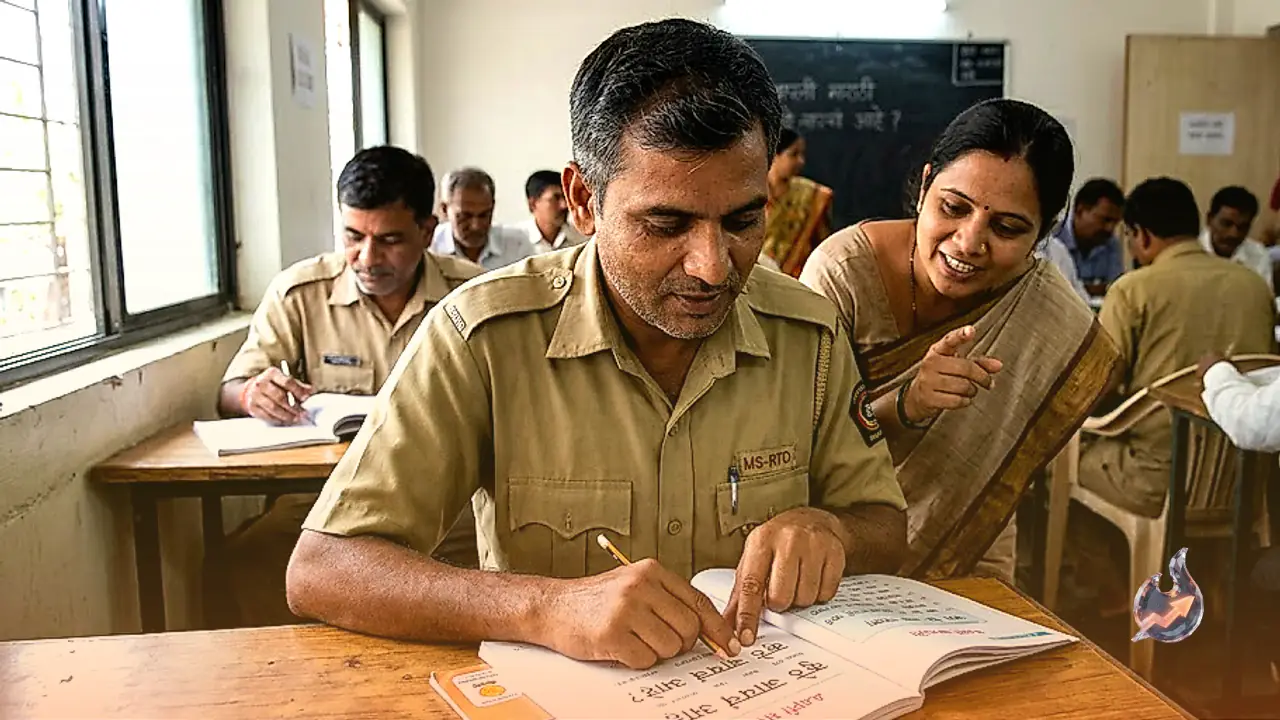

The Maharashtra government has announced significant relief for non-Marathi auto-rickshaw and taxi drivers operating across the state. In a modification of its earlier directive, the state administration has granted commercial vehicle operators a one-year extension to acquire basic Marathi language skills. CM Devendra Fadnavis clarified that while cab and auto drivers in Mumbai and other regions must possess working knowledge of normal Marathi for daily operations, the government recognizes the practical challenges faced by under-educated migrant workers. Rather than taking immediate punitive measures, authorities have opted to give drivers time to learn the local language, effectively averting an impending livelihood crisis for lakhs of migrant workers.
Mandatory Language Directives and Policy Rationale
The state transport department had previously issued an official notification on 12 August 2026 making working knowledge of Marathi compulsory for all auto and cab drivers in Maharashtra. The policy was aimed at ensuring that individuals earning a living in the state demonstrate respect for the regional language and culture. However, the ground reality revealed that many commercial vehicle operators struggled to adapt to the sudden requirement.
A substantial portion of the migrant driver workforce has limited formal education, making rapid language acquisition exceptionally difficult. Addressing these ground realities, CM Devendra Fadnavis emphasized that basic conversational Marathi is sufficient for routine interactions with passengers. He reiterated that the administration does not intend to harass drivers or threaten their earnings. Consequently, the state government decided to relax the timeline and grant a full 12-month grace period for drivers to gain functional proficiency.
Legal Scrutiny and the Motor Vehicles Act 1988
Legal challenges played a decisive role in prompting the state government to revisit its decision. Advocate Vivek Shukla filed a Public Interest Litigation (PIL) in the Bombay High Court challenging the validity of the 12 August 2026 notification. The petition argued on behalf of cab operators that enforcing a mandatory language requirement directly infringed upon the fundamental rights of commercial drivers.
The filing highlighted that the central Motor Vehicles Act 1988 does not prescribe regional language proficiency as a prerequisite for granting driving licenses or commercial permits. Furthermore, the petition warned that strict enforcement would lead to the suspension of driver badges for lakhs of impoverished migrant workers, plunging their families into severe financial distress. The administration relaxed its stance shortly after the matter came under judicial review.
Political Representations and the 85 Percent Milestone
The language mandate also triggered intense debate across political circles in Maharashtra, with several leaders raising concerns over rigid enforcement. Amid the growing friction, Shiv Sena spokesperson Sanjay Nirupam held a key meeting with Transport Minister Pratap Sarnaik and submitted a formal memorandum outlining the grievances of cab and auto operators.
During the interaction, Sanjay Nirupam affirmed that while respect for the Marathi language is essential in Maharashtra and drivers should be able to communicate basic phrases, language learning should not be forced coercively. He informed the minister that approximately 85 percent of commercial drivers in the state had already acquired functional knowledge of Marathi. Nirupam urged the government to avoid punitive action against the remaining minority and instead provide them adequate time to learn the language naturally.