






















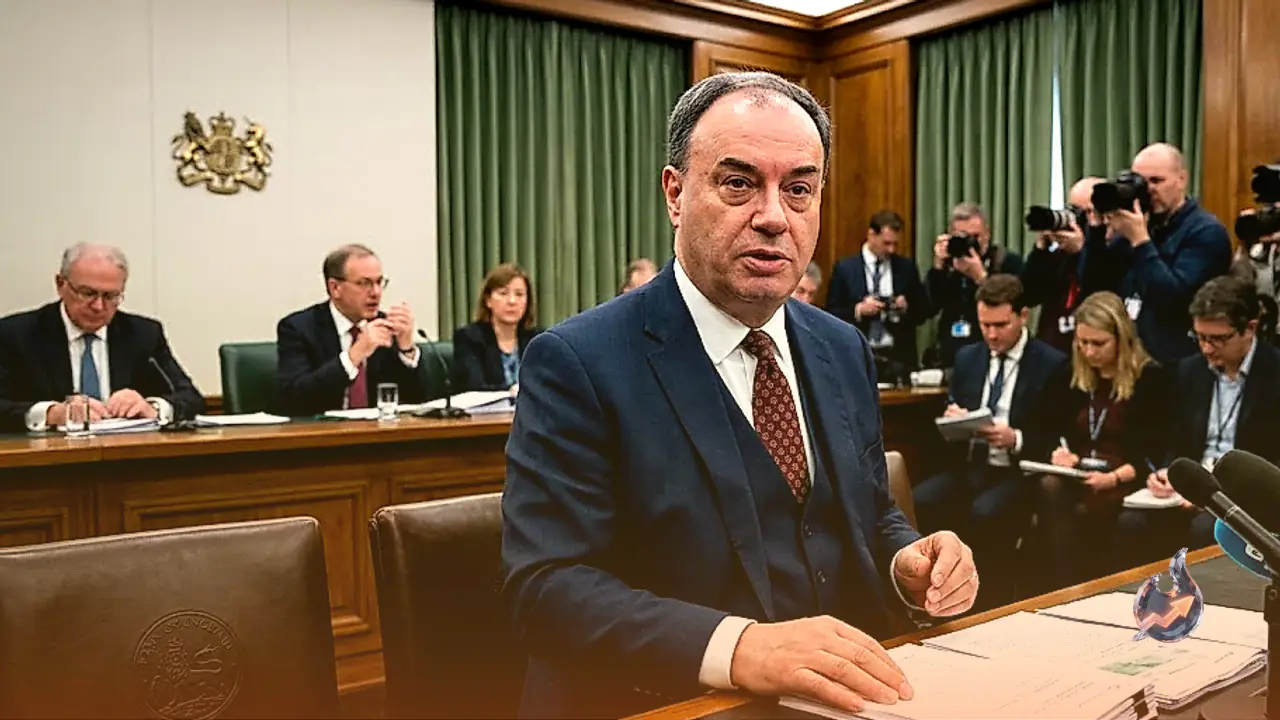

In an environment shaped by shifting geopolitical dynamics and ongoing volatility across global energy commodities, the Bank of England's Monetary Policy Committee voted 6-3 to keep its benchmark Bank Rate unchanged at 3.75%. Despite holding the headline rate steady, the committee adopted a noticeably more hawkish stance compared to July, reflecting concerns that upside risks to inflation remain stubbornly elevated. Revised projections for gross domestic product and consumer prices, combined with energy-related geopolitical hazards, have brought the prospect of further policy restriction back to the forefront, leaving the door open for potential rate increases in November or December.
Geopolitical Headwinds and Shifting Policy Stances
Analysis from TD Securities' macro team, under the leadership of Pooja Kumra, points to a clear recalibration among key policymakers at the British central bank. Centrist figures within the committee, including Governor Andrew Bailey, Dave Ramsden, and Clare Lombardelli, have visibly shifted their positioning by refusing to rule out additional policy tightening. Governor Bailey has underscored that current geopolitical tensions are intensifying upside price pressures, particularly as international urgency to de-escalate regional hostilities appears to be diminishing. Although indirect energy passthrough into domestic consumer goods and services has thus far remained softer than central bank forecasts anticipated, and observable evidence of emerging second-round wage-price spirals remains thin, policymakers acknowledge that the situation is still in its early phase. Should Middle Eastern turmoil linger for an extended horizon, elevating second-round inflationary impulses, official interest rate hikes may become unavoidable.
The policy stance established during the committee's July forecast round supported holding borrowing costs unchanged as an effective mechanism for maintaining restrictive financial conditions. However, the emergence of fresh geopolitical flashpoints and vulnerability to energy market supply shocks have prompted analysts to conclude that deeper restriction could be warranted. The scheduled November policy meeting will deliver updated macroeconomic forecasts alongside crucial supply-side and demand-side price data. TD Securities notes that if crude oil remains anchored near its elevated ranges, a monetary tightening move in either November or December cannot be dismissed.
Currency Market Repositioning and the Australian Dollar
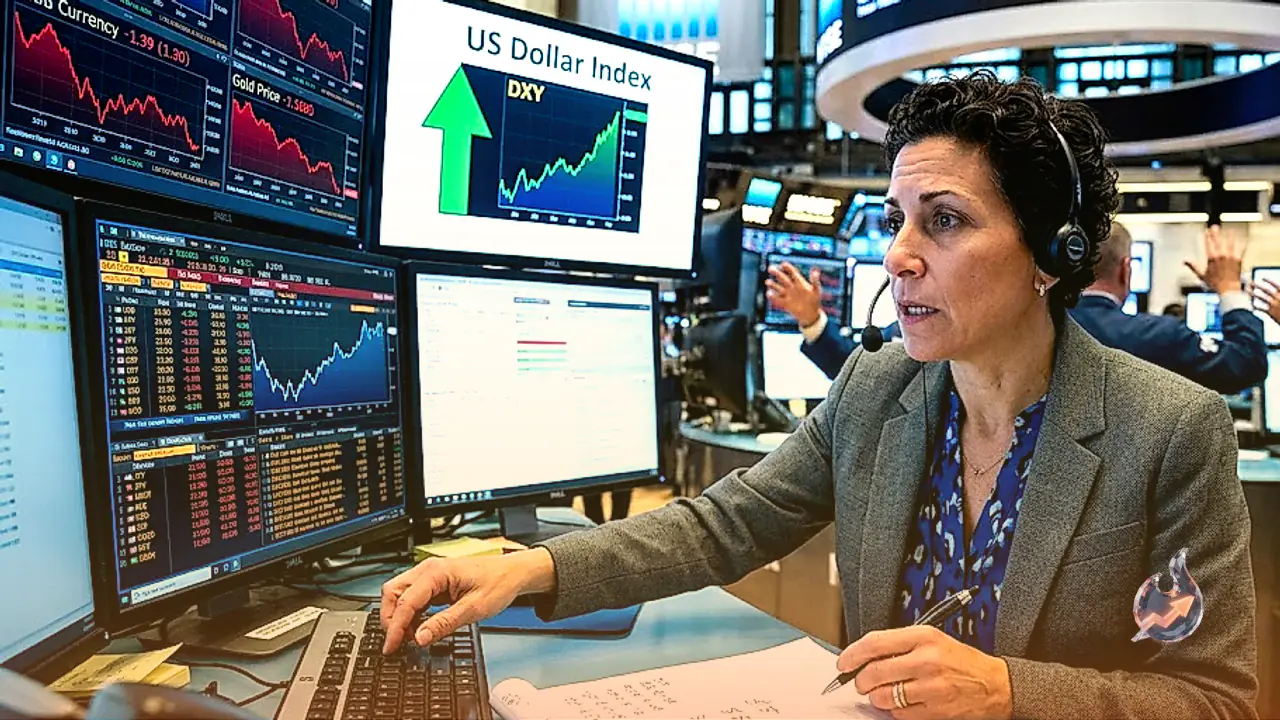
In international foreign exchange trading, currency markets registered notable repositioning during Thursday's Asian trading session. The Australian Dollar regained momentum against the US Dollar, allowing AUD/USD to reclaim the 0.7100 handle. Fresh buying interest emerged as the broad US Dollar paused its aggressive rally, which had previously driven the greenback to its highest reading since late July following hawkish communications from the Federal Reserve. Concurrently, intensifying market wagers on further rate hikes from the Reserve Bank of Australia, alongside persistent diplomatic expectations surrounding US-Iran dialogues, provided a supportive underpinning for market risk sentiment, offering a tailwind to the risk-sensitive Australian unit.
Japanese Yen Normalization and the Bank of Japan
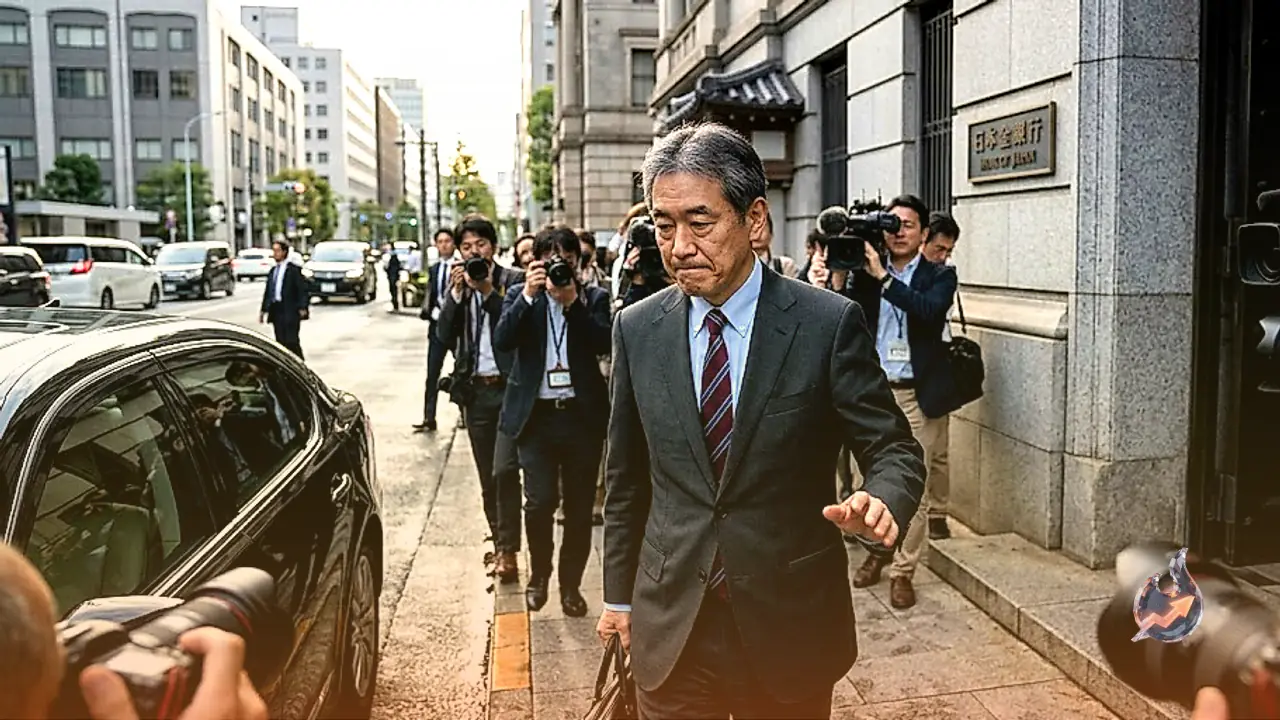
Concurrently, USD/JPY managed to rebound after temporarily slipping under 156.00 during Thursday's Asian hours, attempting to halt a three-session advance that had lifted the cross toward two-week peaks a day earlier. The greenback's consolidation from post-Fed seven-week highs coincided with market participants pricing in a more hawkish normalization timeline for the Bank of Japan, lending structural support to the Japanese Yen. These crosscurrents effectively capped additional upside for the currency pair as global traders directed their focus toward the Bank of Japan's upcoming monetary policy announcement scheduled for Friday.
For more than a decade, Japan's prolonged ultra-low interest rate framework served as an engine for trillions of dollars in worldwide investments, establishing the Japanese Yen as the globe's cheapest vehicle for debt-financed funding. With the Bank of Japan widely anticipated to execute another policy tightening step, that long-standing funding paradigm faces fundamental transition. While virtually all other major sovereign central banks pursued aggressive rate-hiking campaigns to quell post-pandemic price pressures, Japan stayed positioned as the world's most prominent monetary outlier.
Gold Surges as Central Banks Chart Divergent Paths
In commodity markets, spot gold staged an assertive rally on Thursday, reaching fresh weekly highs around the $4,480 per troy ounce territory. The sharp recovery brought an abrupt end to three consecutive daily declines in bullion, directly tracking the pullback in the US Dollar and sustained weakness across crude oil benchmarks. Meanwhile, across the Atlantic, the US Federal Reserve enacted a unanimous 25-basis-point interest rate increase, shifting the target range for the federal funds rate upward to 3.75%-4.00%. US central bankers emphasized that tightening borrowing costs further was essential to ensure a durable and timely return to their 2% inflation mandate. As the Bank of England pauses with a tightening bias, the Fed tightens outright, and Tokyo prepares to dismantle negative-rate legacies, the global interest rate landscape remains defined by profound policy divergence.