




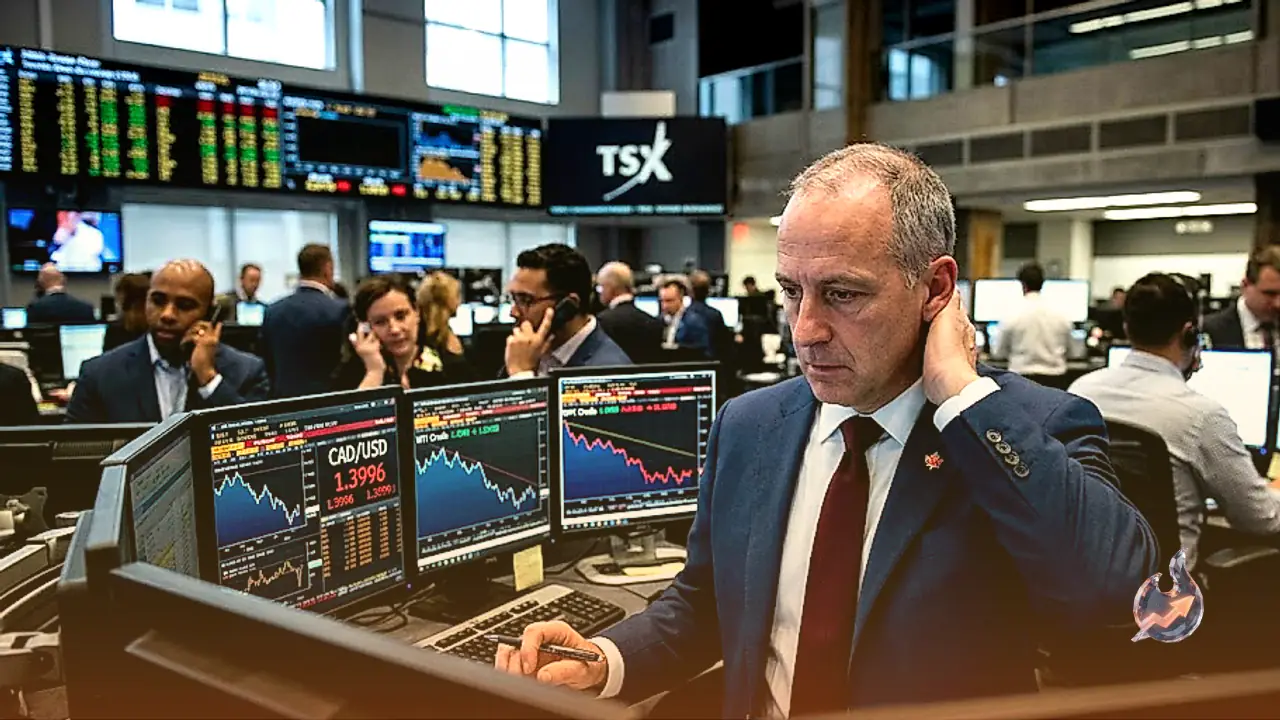


















The Canadian Dollar traded on the defensive on Friday, hovering uncomfortably close to the critical 1.40 threshold against the US Dollar. Currency strategists Shaun Osborne and Eric Theoret observed that the weakness in the Canadian currency primarily reflects a robust broader tone in the greenback alongside widening front-end bond yield spreads between the United States and Canada. Spot prices are currently assessed as moderately overvalued relative to fundamental fair value models, though anticipated forward guidance from central bankers could soon offer some stability to the currency over the medium horizon.
Yield Spreads and Energy Weakness Drive Canadian Dollar Slippage
During early Friday market action, the Canadian Dollar skirted the 1.40 mark, registering modest losses over the course of the session. Market analysts emphasized that these minor declines stem largely from a dominant bullish undertone in the US Dollar rather than idiosyncratic domestic weaknesses unique to Canada. Broader investor risk sentiment displayed noticeable hesitation across global exchanges, with European equities drifting lower while US equity futures managed only tentative gains. Softening crude oil benchmarks also eroded support for commodity-tied assets throughout the trading day.
Despite softer crude prices, market strategists pinpointed the expanding front-end spread between US and Canadian sovereign debt as the primary drag on the exchange rate. Prevailing spot levels are viewed as somewhat elevated when measured against a calculated fair value estimate of 1.3910. On the margin, this currency depreciation presents a delicate challenge for the Bank of Canada, as a softer domestic exchange rate complicates ongoing efforts to monitor and manage emerging upside risks to inflation.
Focus Shifts to Governor Macklem's Halifax Address
Financial markets are turning their immediate attention to an upcoming public appearance by Bank of Canada Governor Tiff Macklem, who is scheduled to deliver a speech in Halifax on Monday. Analysts anticipate that Macklem could use this platform to reiterate institutional concerns regarding mounting inflation pressures. Should his remarks reinforce expectations of monetary policy tightening before the calendar year concludes, the shifting rate trajectory could establish a reliable anchor for the Canadian Dollar and cap sustained downside momentum.
Divergent Movements Across Major Currency Pairs
Elsewhere in the international foreign exchange complex, the Australian Dollar maintained positive momentum against the US Dollar for the second consecutive session, consolidating comfortably above 0.7100 during Friday's Asian trading hours. Easing US sovereign bond yields tempered enthusiasm among greenback buyers, while hawkish commentary from Reserve Bank of Australia Governor Michele Bullock enhanced expectations for future rate hikes, bolstering the Aussie currency. However, a restrictive stance from the Federal Reserve and ongoing geopolitical uncertainties kept a floor under the greenback, limiting further upward expansion for the pair.
Conversely, the Japanese Yen resumed a sharp downward trajectory in the European trading session, pushing the USD/JPY pair to fresh two-week peaks near 158.00. The Yen slid despite the Bank of Japan executing a widely anticipated rate increase, raising its short-term interest rate target from 1.00% to 1.25% through a 7-2 majority vote. While Governor Kazuo Ueda stated that the monetary framework has entered a new phase, two unexpected dissenting votes among policymakers unsettled market participants and exerted substantial downward pressure on the Japanese currency.
Gold Strengthens Despite Firm Dollar and Higher Yields
Precious metals demonstrated notable resilience in the latter half of the week, with gold bullion booking steady gains to trade near $4,370 per troy ounce on Friday. The rally in spot gold gathered momentum from sliding crude oil markets, generating enough buying support to offset broader headiness in the US Dollar and advancing US Treasury yields across the duration curve. The dynamic interplay between central bank policy calibrations, sovereign debt yields, and energy prices continues to dictate global currency valuations and cross-asset correlations.