























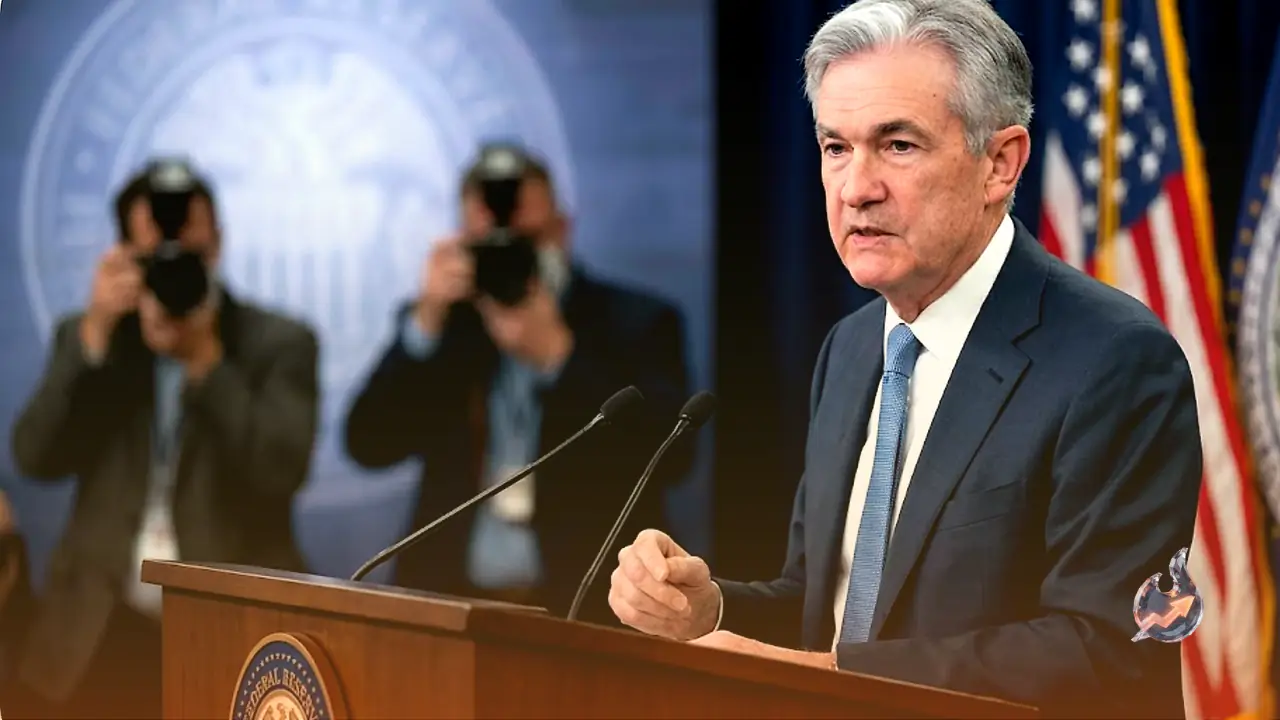

The US Dollar drifted lower against most major currencies on Thursday after a distinctly weak June jobs report reshaped the market's thinking on where interest rates are headed. According to Commerzbank's Bernd Weidensteiner, US nonfarm payrolls grew by only 57,000 in June, running far below what economists had penciled in, while figures for the previous two months were revised down by a combined 74,000.
A slowdown deeper than the headline
Weidensteiner says the labour market came up well short of forecasts. In his words, "Employment trends in June fell short of expectations. Only 57 thousand new jobs were created, roughly half as many as expected. In addition, payrolls for the previous two months have been revised downward by a total of 74,000 (this revision takes into account newly calculated seasonal factors as well as late reports from companies and government agencies, which provide a more complete picture)."
In other words, it was not only the latest month that disappointed; the recent past was quietly marked down too, making the pace of hiring look softer than it did before. Weidensteiner frames this as a trend rather than a one-off wobble. "Monthly job growth has been slowing again for several months," he notes. "The six-month average, which smooths out the volatility of the figures, is therefore likely to turn downward again soon."
Why the jobless rate stayed at 4.2%
Despite the thin hiring number, the unemployment rate held steady at 4.2%. The reason lies in a slower-growing labour force. As Weidensteiner puts it, "However, given the significantly slower growth in the labor force, even gains on the scale seen in June are sufficient to prevent an increase in the unemployment rate." With fewer people entering the workforce, even a modest number of new jobs is enough to keep the rate from climbing.
Softer prices as oil eases
Alongside the cooling jobs picture, the inflation outlook is turning gentler too. Falling oil prices point to slightly lower consumer prices in June. Taken together, weaker employment and easing price pressure are nudging the market toward the view that the pressure on interest rates is fading.
How currencies reacted
The Dollar's softness fed straight through to the currency market. During the European session on Thursday, the British Pound traded 0.5% higher, near 1.3340 against the US Dollar. The GBP/USD pair firmed as the greenback underperformed its peers ahead of the June Nonfarm Payrolls data, due at 12:30 GMT. EUR/USD also gained ground, pushing past the 1.1450 mark to a fresh multi-day peak. That move left behind two straight daily pullbacks as investors continued to weigh the latest US figures.
Gold and crypto ride the retreat
The Dollar's slide handed a lift to gold. On Thursday the metal held its bullish momentum and climbed above $4,100 per troy ounce. The rebound came on the back of the Dollar's retracement and higher US Treasury yields following the softer-than-expected NFP report. The crypto market broadly rose as well, reflecting improved risk appetite after an extended stretch of selling pressure. Bitcoin climbed back above $60,000, having tested support at $58,000 earlier in the week.
All eyes on the Fed after Sintra
The market's focus now sits squarely on the Federal Reserve's next move. Financial markets arrived at Sintra hoping for clues on that decision. For the most part, they left with confirmation that Fed Chair Kevin Warsh intends to make those clues much harder to find, leaving the path for rates uncertain even as the data softens.