




















Pakistan’s ambition to position itself as a credible diplomatic mediator in a volatile West Asia is confronting an intricate web of strategic dilemmas. Caught between recurring friction along its border with Iran, an intensifying defense relationship with Saudi Arabia, and the constant imperative to maintain workable ties with the United States, policymakers in Islamabad are finding it exceptionally hard to sustain equilibrium. The friction between Pakistan’s diplomatic outreach and its conflicting security commitments has laid bare the practical boundaries of its foreign policy maneuverings across the region.
Tehran Diplomatic Outreach Against a Backdrop of Stranded Trucks
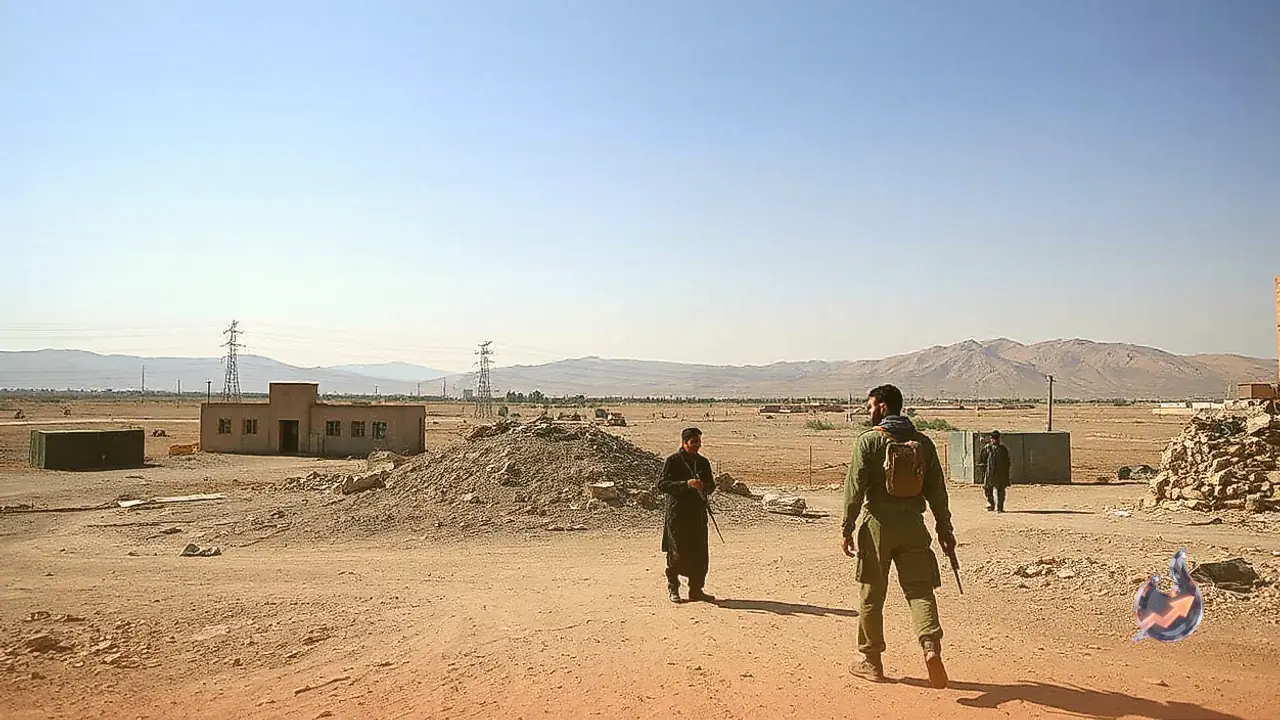
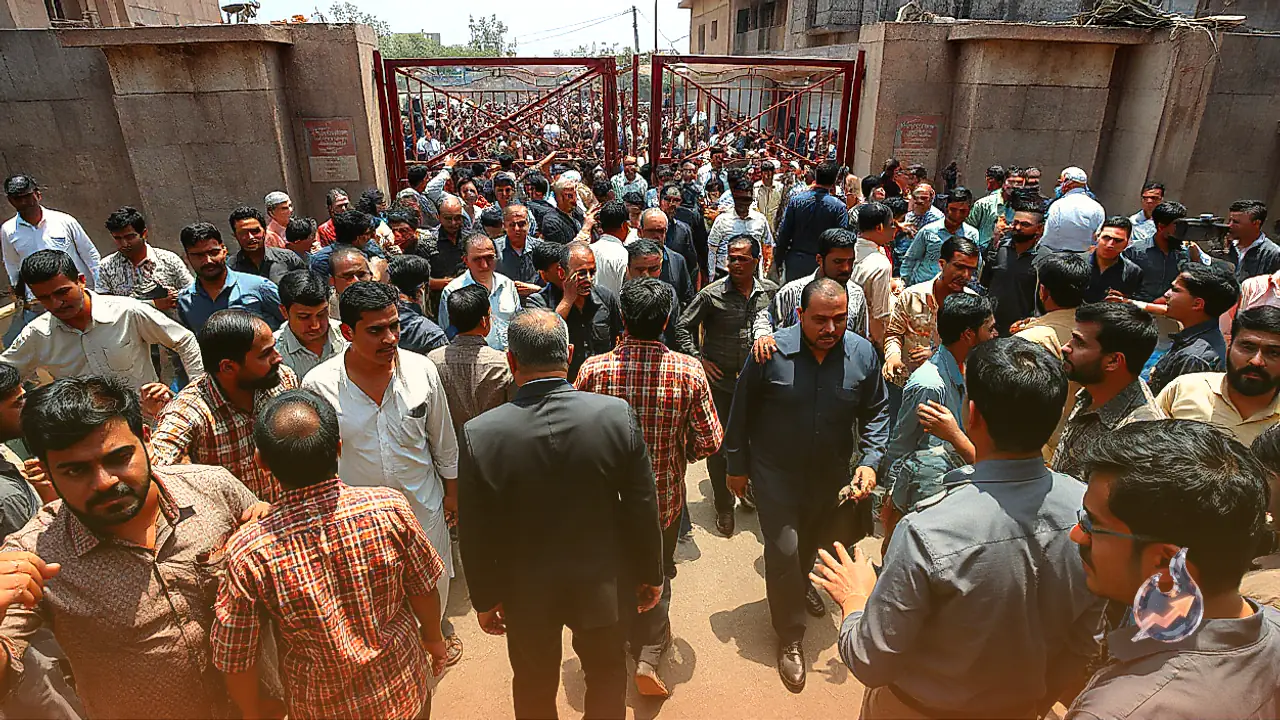
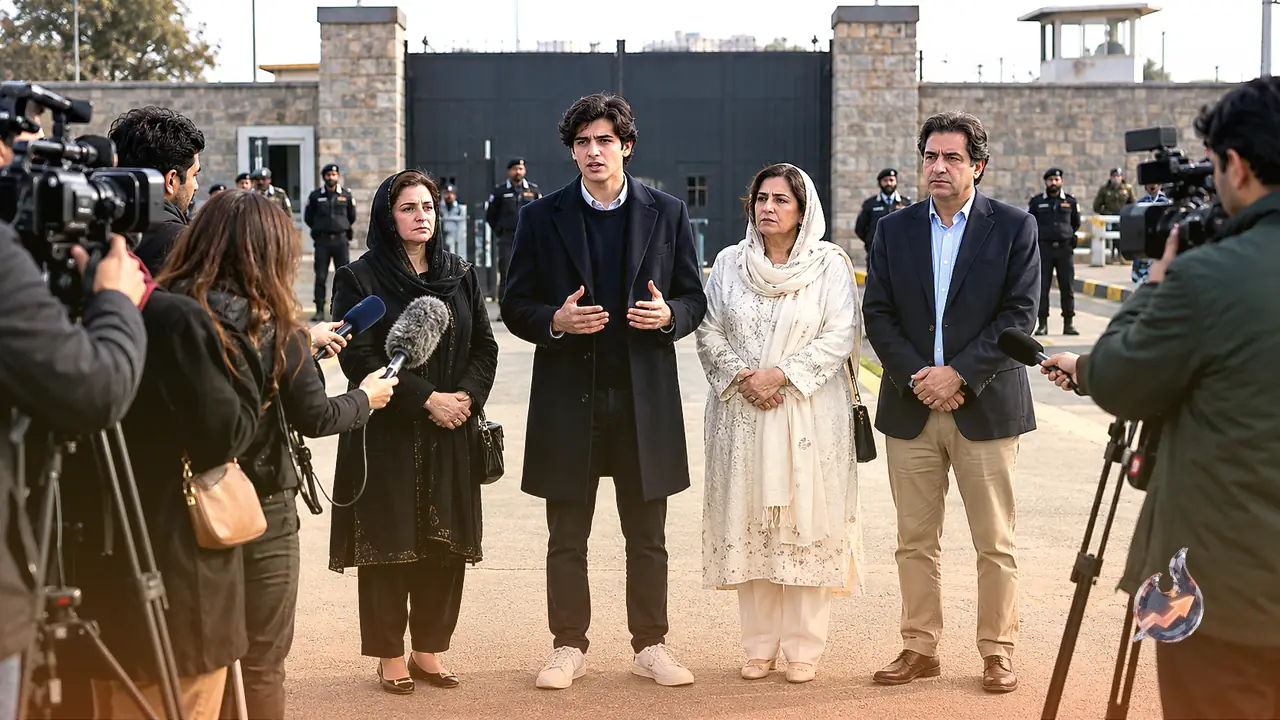
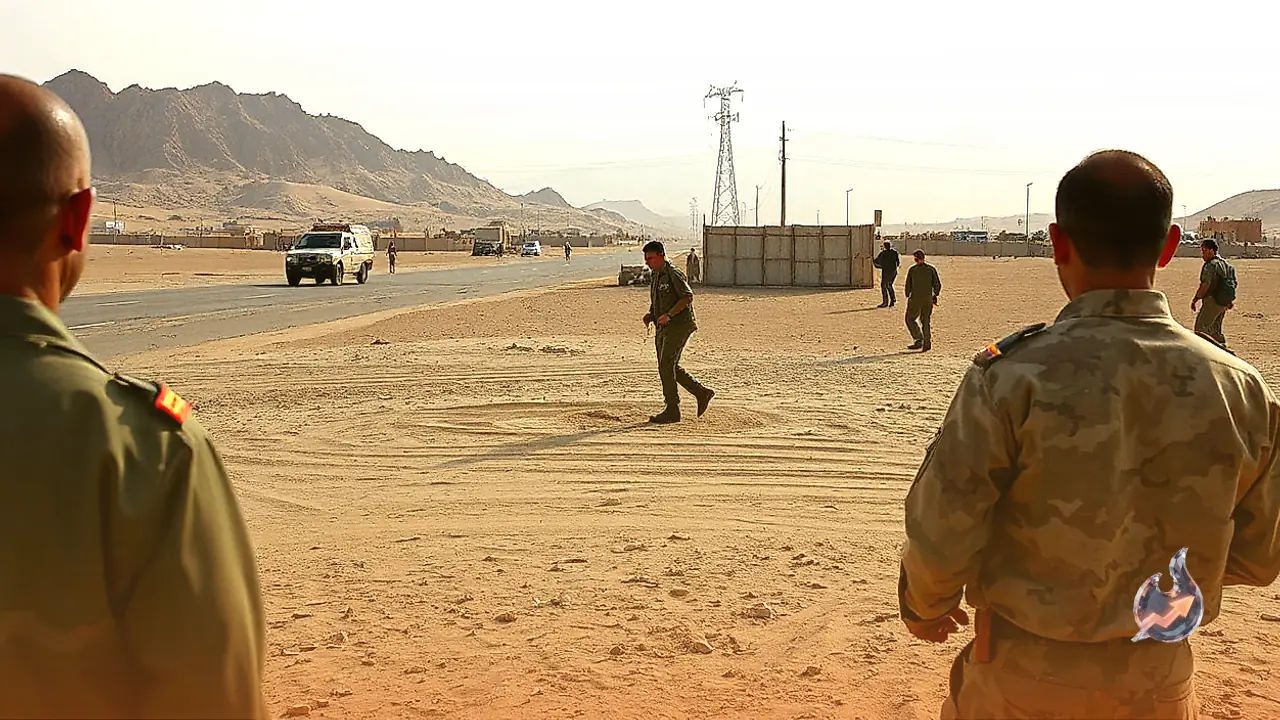
Pakistan’s army chief Field Marshal Asim Munir traveled to Tehran on October 20 with the explicit objective of reinforcing Islamabad’s profile as an intermediary capable of navigating broader West Asian instability. Yet the timing of this mission stood in stark contrast to realities on the ground. At the exact moment high-level discussions were scheduled, primary crossing points along the Pakistan-Iran frontier came to a virtual halt. The suspension of operations at the Taftan and Gabd-Rimdan border terminals left approximately 2,000 commercial cargo trucks stranded in limbo, triggering severe supply chain disruptions and mounting anxiety among trading communities on both sides.
Official accounts explaining the crossing closures diverged sharply between the two capitals. Authorities in Islamabad attributed the restrictions to pressing frontier security requirements, persistent cross-border smuggling, and the need for stricter border governance. Iranian officials, on the other hand, sought to downplay the severity of the standstill by characterizing the disruption as an ephemeral technical hitch and a temporary precautionary measure. This divide in public explanations underscored an underlying mistrust regarding how the shared perimeter is managed.
The Saudi Defense Dimension and Strategic Friction
Compounding Pakistan’s diplomatic puzzle is its deepening military cooperation with Saudi Arabia. On October 5, against the backdrop of escalating Houthi strikes in Yemen, a bilateral defense arrangement involving Pakistan and Saudi Arabia was activated, anchoring Islamabad more prominently into Riyadh’s overall defense architecture. Underscoring this alignment, the Pakistani military publicly disclosed discussions focused on bolstering strategic coordination and defense collaboration with the Saudi ambassador just a single day prior to Munir’s arrival in Tehran.
Islamabad has maintained that Pakistani troops stationed inside Saudi Arabia perform purely defensive duties and will not take part in active combat operations inside Yemen. Nonetheless, expanding military synergy between Pakistan and the Saudi kingdom predictably heightens Tehran’s strategic anxieties, complicating Islamabad’s attempts to present itself as an impartial and balanced actor in regional rivalries.
Economic Stakes of Land Corridors and Sanctions Ambiguity
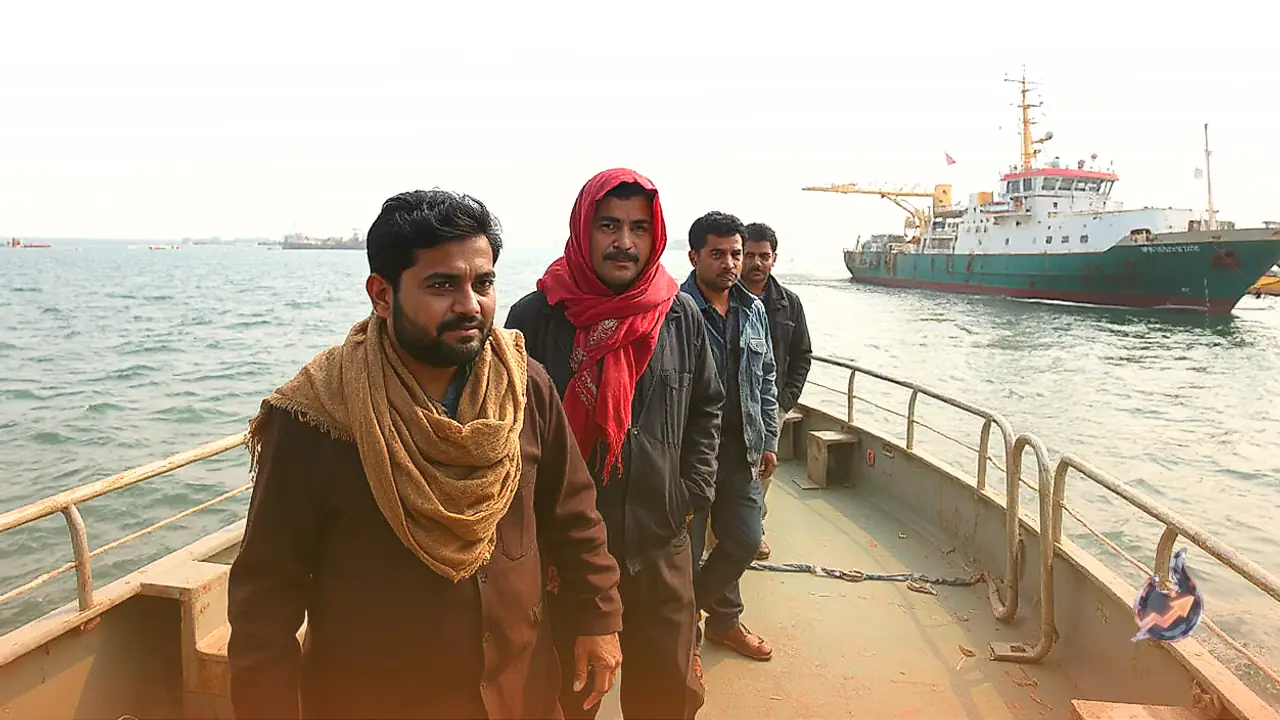
During formal proceedings with Iranian President Masoud Pezeshkian, official statements indicated that Field Marshal Munir offered assurances concerning the resolution of crossing disputes and the restoration of normal freight movement. The economic imperative behind these land corridors is substantial. With marine cargo hubs subject to tightening international sanctions, overland transit routes have emerged as an indispensable lifeline for moving necessary provisions into Iran. While road transport corridors cannot fully substitute for high-capacity maritime seaports, they provide essential commercial redundancy and sustain localized retail networks across border communities.
Previously, Pakistan had permitted third-party transit consignments to enter Iran through designated border terminals. However, sudden border closures revealed how fragile such commercial facilities remain when exposed to sudden shifts in security policy. Islamabad’s position on international trade restrictions has added further friction. Pakistan’s foreign ministry stated that the country intends to adhere to applicable sanctions regimes, yet it stopped short of clarifying precisely which sets of restrictions it would enforce. This policy vagueness has left logistics operators and border traders exposed to acute operational and financial hazards.
Assessing External Pressure and Iran’s Unbending Diplomatic Line
The sudden stoppage of frontier trade led to speculation regarding whether pressure from the United States prompted Pakistan to seal the border crossings. However, available factual developments offer no substantiation for claims that Washington issued any direct instructions to shut down the bilateral terminals. While Islamabad continues to cultivate pragmatism in its American engagement, Tehran has shown no willingness to soften its diplomatic stance toward Washington.
Iranian leadership has reiterated that bilateral dialogue with the United States will not resume without measurable progress on core demands. These preconditions include lifting the comprehensive economic blockade, dismantling restrictions on Iranian petroleum exports, and ending regional hostilities. Adding to this firm posture, Iranian security official Mohsen Rezaei publicly affirmed that the country’s enriched nuclear material will remain firmly situated on Iranian soil. This geopolitical rigidity significantly restricts the operational space available for any outside mediation.
Balochistan Security Fragility and the Human Cost of Trade Paralysis
Underpinning the bilateral relationship is the persistent volatility within Pakistan’s southwestern province of Balochistan. The province has experienced long-standing nationalist militancy, while Iranian forces along the border frequently confront armed insurgent outfits operating across the frontier. The potential for sudden escalation was demonstrated in January 2024, when reciprocal cross-border strikes conducted by both countries showed how rapidly security friction can escalate into open military conflict.
Beyond high-level diplomatic deliberations, the halting of cross-border trade exacts a punishing toll on ordinary working families. Stranded in remote desert outposts, thousands of truck drivers faced severe delays with minimal support, while perishable foodstuffs, vegetables, and agricultural consignments spoiled in transit. Escalating freight expenditures and wiped-out commercial opportunities highlight the immediate economic hardships borne by border economies whenever diplomatic and strategic coordination falters.