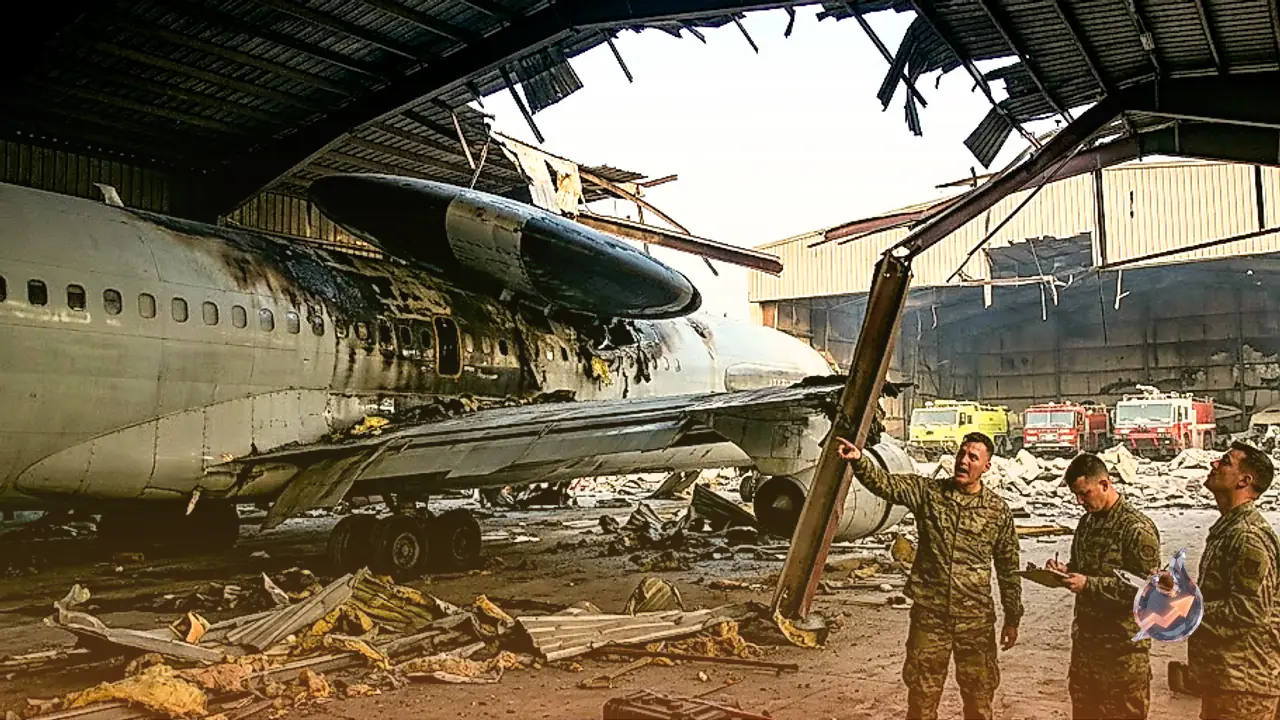






















Air defense units operating under the Saudi-led coalition intercepted and destroyed an unmanned aerial vehicle launched by Houthi forces south of Mecca on Tuesday evening. The military command characterized the trajectory toward the holy city, which houses Islam's most sacred sanctuary and serves as the destination for the annual Hajj pilgrimage, as a disgraceful provocation. Coalition spokesperson Maj Gen Turki al-Maliki reaffirmed that their military apparatus would not hesitate to take decisive and deterrent countermeasures against what he described as hostile terrorist militia operations. Earlier on Tuesday, civil defense authorities across western Saudi Arabia had activated short-notice security sirens warning residents of incoming airborne projectiles across Mecca and the major Red Sea commercial hub of Jeddah.
Houthi Leadership Rebuts Targeting Allegations
In response to the coalition announcement, representatives of the Iran-aligned movement, which exercises administrative and territorial dominance across western Yemen, denied directing offensive weaponry toward Mecca and accused the Saudi administration of fabricating falsehoods. Military spokesman Yahya Sarea stated unequivocally that Yemeni forces maintain no hostile intent toward sacred Islamic sites, emphasizing that their operational mandates concentrate exclusively on energy installations and military infrastructure situated far from religious centers. Sarea asserted that the latest barrage of drones and ballistic missiles represented retaliatory strikes following more than 450 coalition air raids recorded across their held territories over the preceding seven days. Additionally, the Houthi command claimed responsibility for shooting down a coalition fighter aircraft operating over Marib province.
Diplomatic Outcry and International Travel Warnings
The reported threat in the vicinity of Islam's holiest urban center drew immediate condemnation from the 57-member Organisation of Islamic Cooperation, which stated that offensive military operations endangering Mecca and Medina province, site of Islam's second holiest shrine, constituted an unacceptable and intolerable transgression against the Islamic world. Concurrently, diplomatic missions responded to the heightened threat landscape. The United States embassy in Saudi Arabia issued an updated advisory urging citizens to reconsider travel to the country, highlighting that recurring aerial incursions have targeted metropolitan population centers, national infrastructure networks, civil aviation hubs, military installations, diplomatic compounds, and critical petroleum refineries.
Territorial Shifts Along the Red Sea Corridor
The aerial engagement follows swift tactical realignments along Yemen's maritime frontier, where Houthi units recently overran positions previously held by Saudi-backed pro-government formations. Within the past week, the insurgent faction seized control of the strategic coastal municipality of Mokha along with Perim Island, an insular landmass located directly inside the Bab al-Mandab Strait. This narrow maritime passage serves as the vital southern chokepoint connecting Indo-Pacific commercial lanes to the Mediterranean basin through the Red Sea and Egypt's Suez Canal. While Houthi representatives insisted that commercial maritime vessels not linked to regional adversaries could navigate safely, they reiterated their intention to enforce an active interdiction campaign against merchant ships associated with Saudi Arabia.
Energy Logistics Strained by Pipeline Disruption and Blockades
The vulnerability of maritime traffic through the Bab al-Mandab has imposed severe logistical burdens on Saudi Arabia's crude oil distribution networks. Riyadh had progressively shifted oil transport operations toward the Red Sea after naval confrontations involving the United States, Israel, and Iran led to the virtual closure of the Persian Gulf's Strait of Hormuz. However, the alternative overland route was recently compromised when the kingdom's vital East-West Pipeline sustained substantial structural damage. The conduit, engineered to transport crude supplies from eastern oilfields across the peninsula to the Red Sea port of Yanbu, was shut down following a strike that Saudi officials attributed to Iraqi-based militia factions allied with Tehran. Although independent industrial analysts projected that repairing the ruptured infrastructure could require more than four weeks, United States Energy Secretary Chris Wright offered an optimistic timeline on Tuesday, projecting that crude transport would resume within days.
High-Stakes Bilateral Diplomacy and Security Council Deliberations
The converging energy and military crises have driven intensified diplomatic engagements between Riyadh and Washington. Saudi Crown Prince Mohammed bin Salman, the governing leader of the kingdom, personally urged US President Donald Trump to authorize direct American military action against Houthi forces inside Yemen. Nevertheless, President Trump declined direct operational deployment, proposing instead to extend specialized intelligence-sharing mechanisms and targeting assistance to Saudi defense formations. Addressing the ongoing contacts, a senior Trump administration official affirmed that continuous bilateral discussions remain active between Washington, Riyadh, and the recognized government of the Republic of Yemen to safeguard regional stability.
Simultaneously, the United Nations Security Council convened an emergency session in New York to address the spiraling volatility in the southern Red Sea. Delegations representing Saudi Arabia and the Yemeni government called for concerted multilateral measures against Houthi fighters, arguing that the armed movement was weaponizing its geographical stranglehold over the Bab al-Mandab Strait to impose economic coercion. Council delegates concurred on the fundamental necessity of preserving unhindered freedom of navigation along key international waterways to prevent severe structural shocks to global supply chains.
Deepening Humanitarian Toll Across Yemen
Behind the strategic maneuvers lies a catastrophic humanitarian crisis bearing down on Yemeni civilians. The International Organization for Migration reported that recent outbreaks of ground fighting between insurgent forces and government-aligned militias have forcibly displaced upwards of 90,000 residents. Amy Pope, director general of the migration body, observed that countless families are enduring displacement for the second or third time since the war began, facing severe material shortages and an absence of shelter. Medical monitoring data released by the World Health Organization on Sunday documented that at least 500 fatalities occurred since early August, including 297 individuals killed during the prior week alone.
Yemen's broader conflict originated in 2014 when Houthi battalions captured the capital city of Sanaa and deposed the internationally recognized government. The war escalated into a regional conflagration in 2015 with the military entry of an Arab coalition led by Saudi Arabia seeking to restore governmental authority. Over the course of the protracted warfare, verified assessments estimate that more than 150,000 people have perished, leaving more than 22 million citizens dependent on emergency humanitarian aid. A fragile informal truce that held for four years collapsed in July after Houthi leaders announced a maritime embargo targeting Saudi maritime assets, subsequently launching salvos against Saudi airports, oil processing stations, and commercial tankers. The movement defended its renewed campaign as direct retaliation for continuing coalition blockades against Yemeni ports and airports, alongside an airstrike against the Sanaa civil aviation terminal attributed to Saudi forces.