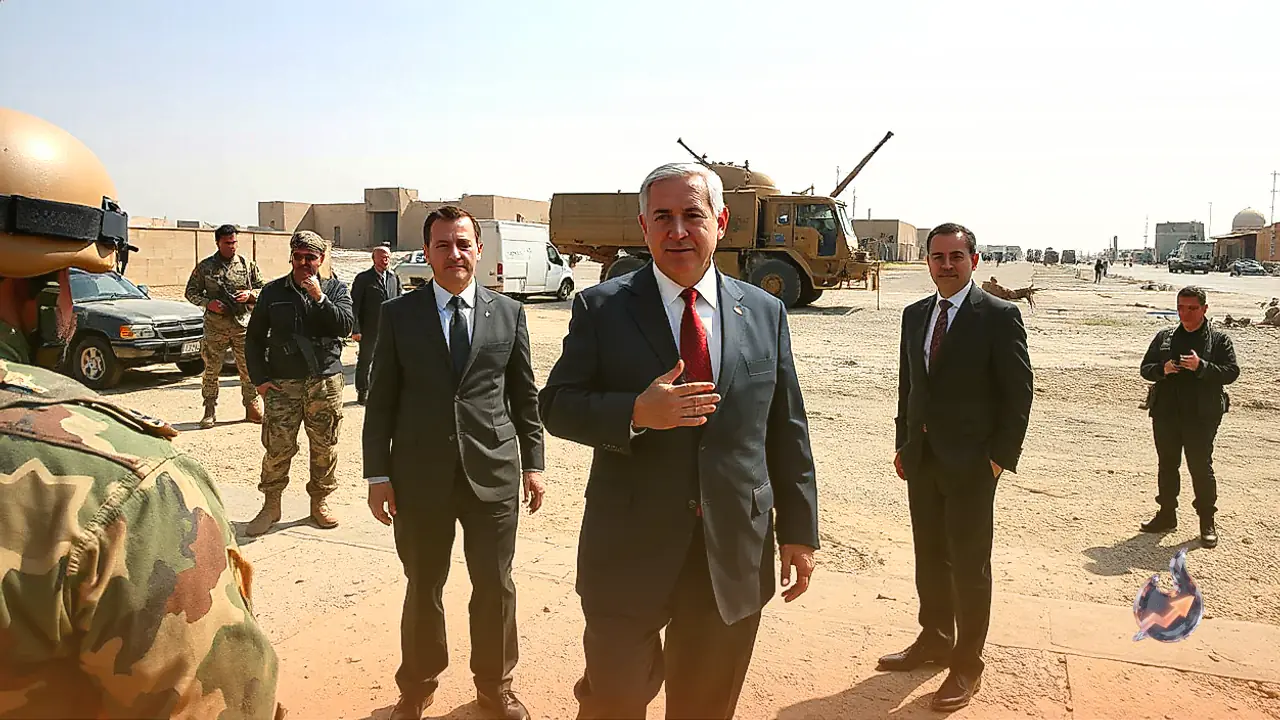





















Diplomatic sparring and maritime conflict escalated sharply following major losses for Donald Trump's Republican Party in the US midterm elections. Mohammed Bagher Ghalibaf, the speaker of the Iranian parliament and the country's chief negotiator in talks with Washington, framed the voting outcome as a clear mandate from the American public against ongoing military conflict. Writing on X, Ghalibaf stated that Tehran endorsed the sentiment expressed by voters and cautioned that ignoring public opinion in favor of international interests would trigger severe consequences. Trump subsequently acknowledged that the war and the accompanying jump in domestic fuel costs contributed directly to the party's poor performance, though he stood firmly behind the joint military strikes carried out alongside Israel in February.
Midterm Fallout and Conflicting Signals from Washington
Addressing the congressional election outcomes in an interview with Fox News, Trump pointed to public sensitivity surrounding household energy expenses, stating that voters likely supported his broad objectives regarding Iran but balked at paying higher prices at the petrol pump. He conceded that developments around Iran played a notable role in the election returns. Speaking separately to CBS News, the president maintained that any end to the confrontation would be determined solely on his own timeline. Over preceding weeks, Trump had cautioned that failure to reach a negotiated settlement could prompt the United States and Israel to resume full-scale hostilities once the midterms concluded.
In a separate discussion with the Financial Times conducted prior to the vote, Trump described himself as satisfied with the prevailing operational posture, remarking that he did not view the current standoff as an actual war. When questioned about indications from Israeli Prime Minister Benjamin Netanyahu regarding potential strikes on Iranian targets, Trump stated that military assets were fully prepared if action became necessary, while adding that such steps might ultimately prove unnecessary.
Escalating Hostilities in the Strait of Hormuz
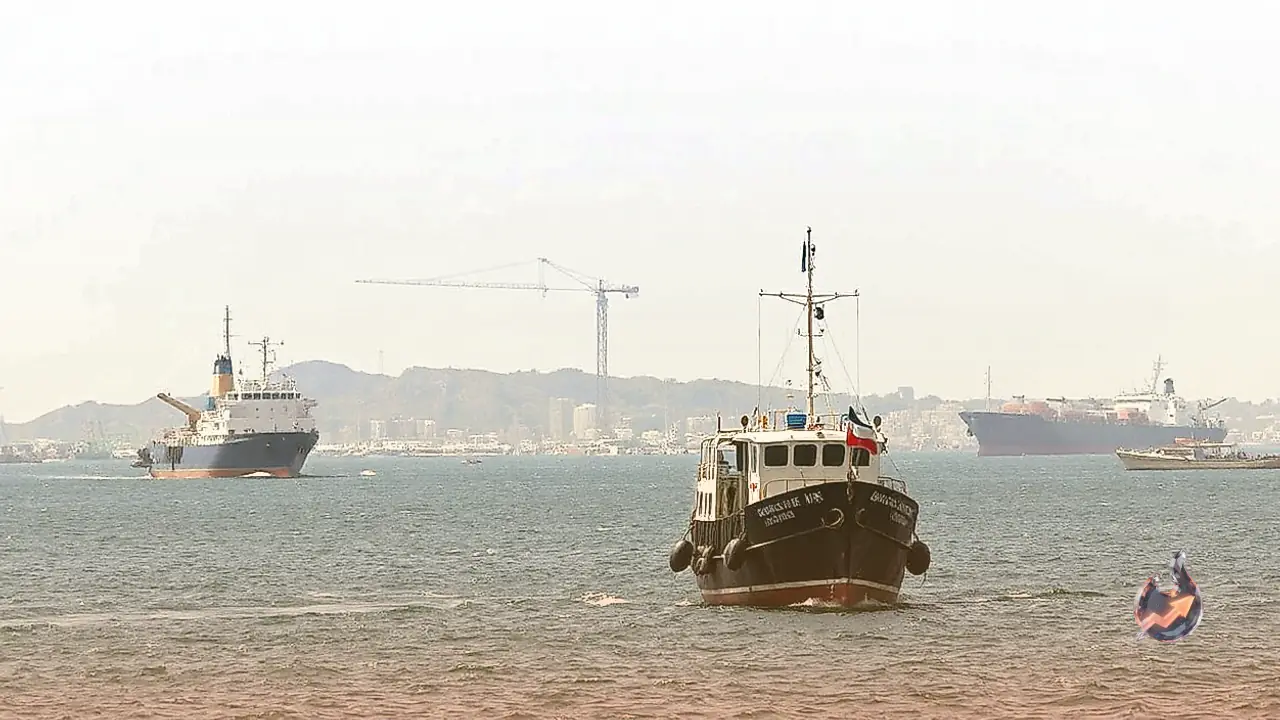
While political rhetoric traded back and forth, maritime violence intensified across critical transit corridors. Iran's Islamic Revolutionary Guard Corps (IRGC) announced that four commercial oil tankers caught fire after striking naval sea mines deployed in the Strait of Hormuz. Semi-official Iranian news agency Tasnim reported that two vessels continued to burn while forces intercepted two other tankers that were reportedly attempting to transit an unauthorized southern corridor within the strait.
Monitoring authorities with the United Kingdom Maritime Trade Operations (UKMTO) confirmed that an oil tanker came under fire from two unidentified projectiles approximately 14 nautical miles (26 kilometres) north-east of Limah, located along Oman's Musandam peninsula. No crew casualties occurred during that incident. The encounter followed an attack on Monday in the same waters north-east of Limah involving a traditional wooden sailing dhow, which claimed the life of an Indian crew member while thirteen other personnel were successfully rescued by Omani emergency teams.
Downed Surveillance Drones and Stalled Mediation
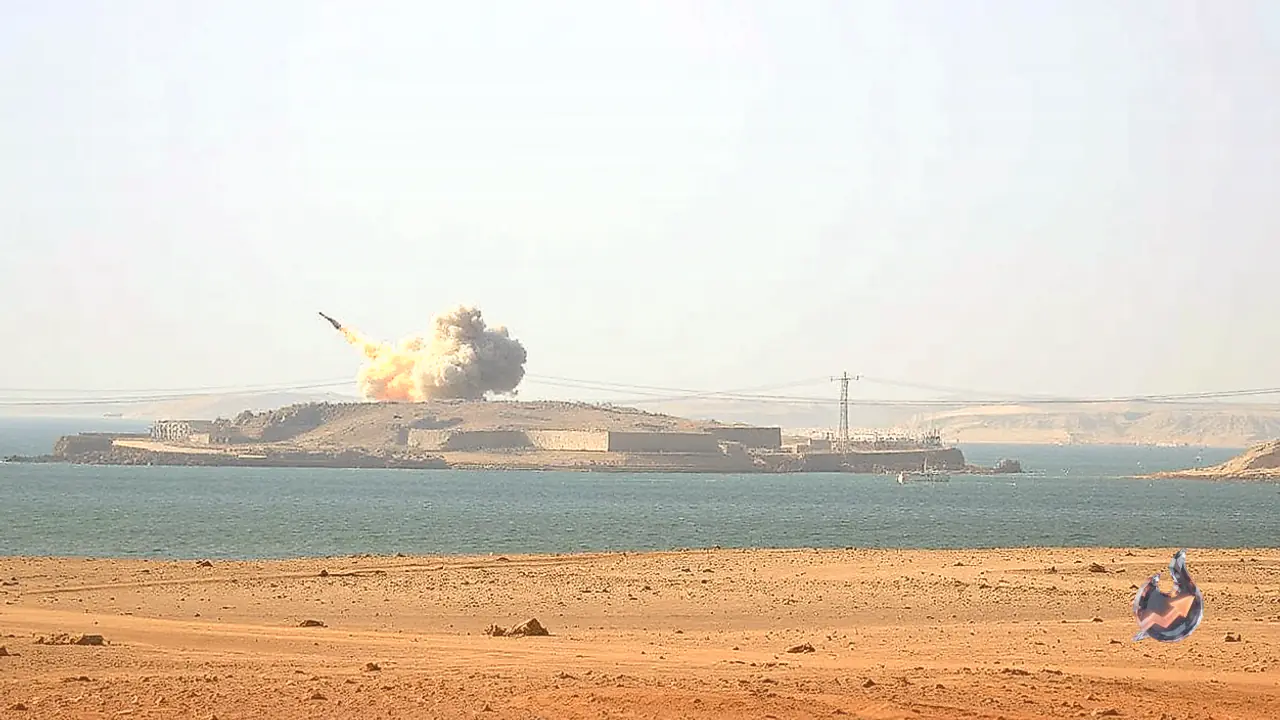
Direct military engagements also continued in the airspace above the Persian Gulf. The IRGC announced that its air defense units shot down an American MQ-9 surveillance drone over the Strait of Hormuz. That development followed a similar confrontation on Monday night, after which US officials verified that military forces had executed limited counter-strikes targeting Iranian positions on Qeshm Island in retaliation for hostile fire directed against American aircraft.
Efforts to revive frozen diplomatic channels remain precarious. Iranian President Masoud Pezeshkian emphasized that his administration continues working to resolve the dispute through diplomatic dialogue, cautioning that a return to widespread war would deliver benefits to no one. Pezeshkian revealed that Supreme Leader Mojtaba Khamenei had formally granted negotiators the authority to discuss sensitive matters that had previously been categorized as strictly off-limits.
Iranian Foreign Ministry spokesperson Esmaeil Baqai noted that indirect negotiations mediated by Qatar remain centered around a seven-point framework originally submitted by Tehran in September. Baqai indicated that the proposal has since been streamlined into an accelerated format capable of being implemented within a 48-hour window.
Global Energy Security and Commercial Shipping Routes
The Strait of Hormuz represents one of the world's most vulnerable maritime chokepoints, handling roughly 20 percent of global petroleum and liquefied natural gas movements under ordinary circumstances. Sustained drone and missile strikes by Iranian units, matched by an expansive naval blockade instituted by the United States, effectively halted commercial transit through the waterway following the outbreak of fighting. A tentative pact brokered in June to halt the war and restore maritime shipping unraveled in a matter of weeks as attacks on merchant vessels resumed, prompting Washington to re-establish its naval blockade.
Iranian authorities have maintained that Tehran will not surrender control over navigation rights across the strait. Iranian units have specifically targeted vessels utilizing southern lanes situated within Omani territorial waters that bypass routes preferred by Iran. In response to the persistent threat against commercial traffic, the US military has deployed naval escorts to safeguard tankers transporting energy supplies exported by Gulf Arab states.