




















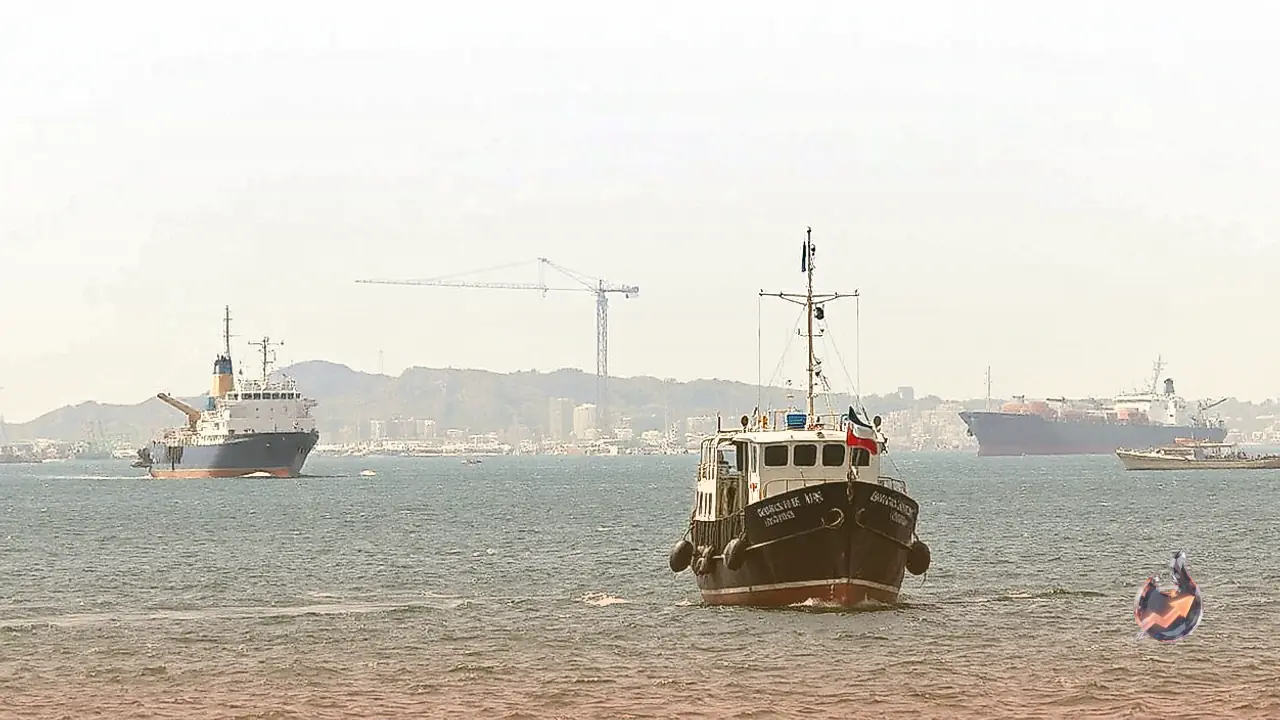

A major diplomatic breakthrough has emerged for maritime commerce navigating the volatile waters of West Asia. Authorities in Tehran have formally decided to exempt India from the stringent navigation restrictions currently enforced across the vital Strait of Hormuz. This arrangement guarantees Indian merchant vessels and crude oil tankers secure transit through the critical bottleneck, offering substantial stability at a time when global energy supply chains face severe uncertainty.
Strategic Access Conferred to Four Partner Nations
According to details shared by Amir Hayat Moghaddam, who serves as the deputy chairman of the national security and foreign policy committee in the Iranian parliament, this regulatory relief has been reserved strictly for a small group of strategic partners. Alongside India, vessels belonging to China, Qatar, and Iraq have received authorization to use the waterway. The framework establishes distinct operating conditions for each nation. While Qatar has been granted completely toll-free movement, India and China will operate under designated transit fees tied to tailored bilateral agreements. In return for facilitating this corridor, Tehran intends to secure uninterrupted consignments of critical pharmaceutical supplies from New Delhi as well as sustained diplomatic cooperation.
Humanitarian Rescue Mission Deepened Bilateral Goodwill
Diplomatic observers note that this decision follows on the heels of a high-risk maritime rescue carried out by Indian defense personnel. In recent weeks, coordinated actions by the Indian Navy and Indian Air Force successfully rescued 20 Iranian sailors who were stranded and facing mortal danger in deep offshore waters. That life-saving intervention created profound goodwill between the two governments. Given that a substantial share of India's petroleum imports must traverse this single narrow passage, obtaining assured passage preserves key sea lanes that underpin the nation's energy security.