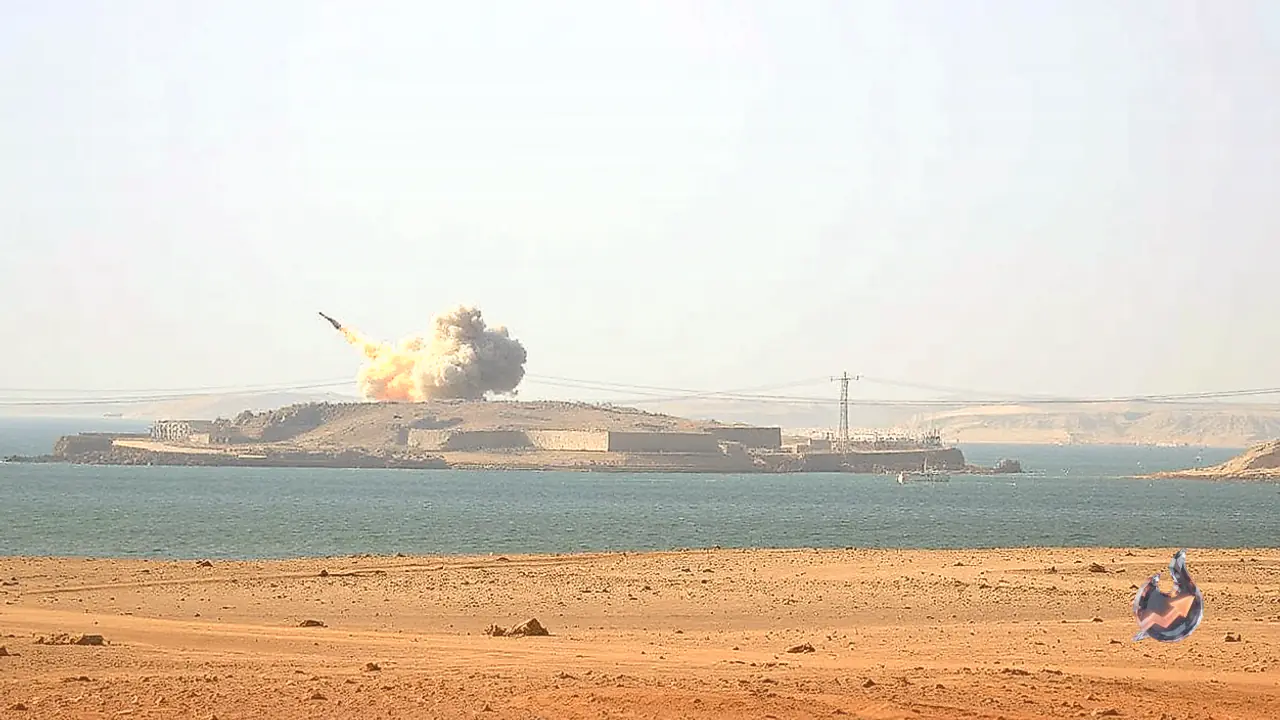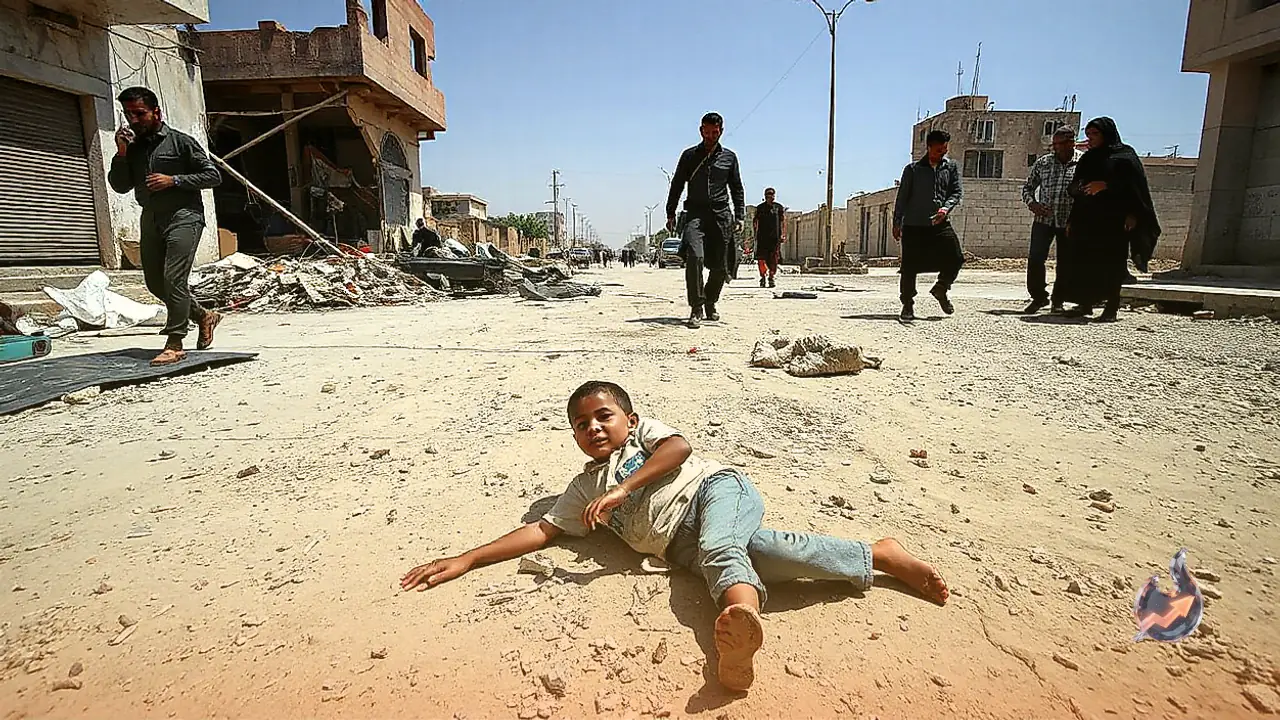





















Faced with growing geopolitical friction, Iranian authorities have made public a detailed emergency guide outlining survival steps during an atomic blast. The instructional initiative, which features an eight-minute video distributed through state news agency IRNA, focuses on shielding the population from radioactive contamination and airborne fallout. Civilians are urged to retreat immediately to basements and maintain a safe distance from windows should an explosion take place.
Protective Measures Against Radioactive Fallout
The issued directives tell residents to seek shelter in underground rooms and shut down any air conditioning units that pull outside air indoors. The guidelines also describe what pedestrians caught outdoors must do to minimize direct radiation exposure. Broadcasters across Egypt and Saudi Arabia echoed these instructions, highlighting recommendations that civilians stay inside their shelters for no less than 24 hours following any detonation.
Emergency officials warned that nuclear fallout particles can drift long distances on wind currents, threatening populations situated far away from the initial impact zone. Due to this persistent contamination risk, residents were urged to rely exclusively on bottled water and packaged food supplies, while strictly avoiding cars or other vehicles as improvised shelters because they fail to block radiation.
A Distinct Shift From Past Official Messaging
IRNA published the comprehensive advisory alongside its educational video on October 29. The public nature of these warnings marks a sharp change in official posture compared to previous crises. During aerial strikes by Israel and the United States against Iranian nuclear facilities in June 2025, officials in Tehran reassured citizens that harmful radiation had remained confined strictly within the targeted perimeter.
Focus Shifts to Pickaxe Mountain Near Natanz
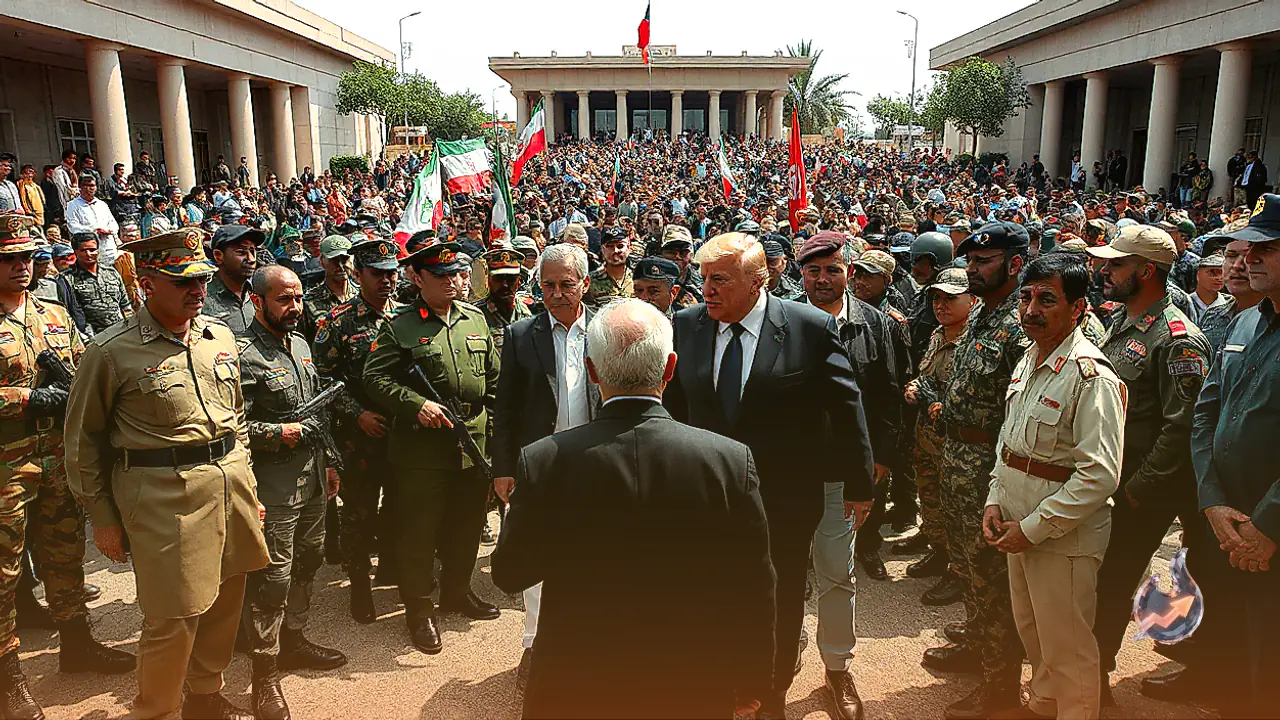
Emergency services in Isfahan province released the footage against the backdrop of heightened speculation involving potential strikes against Pickaxe Mountain. Situated near Natanz, the heavily fortified underground mountain complex houses strategic nuclear-related operations. On October 16, US President Donald Trump stated that Washington might target the mountain, though he explicitly dismissed any possibility of using atomic weapons.
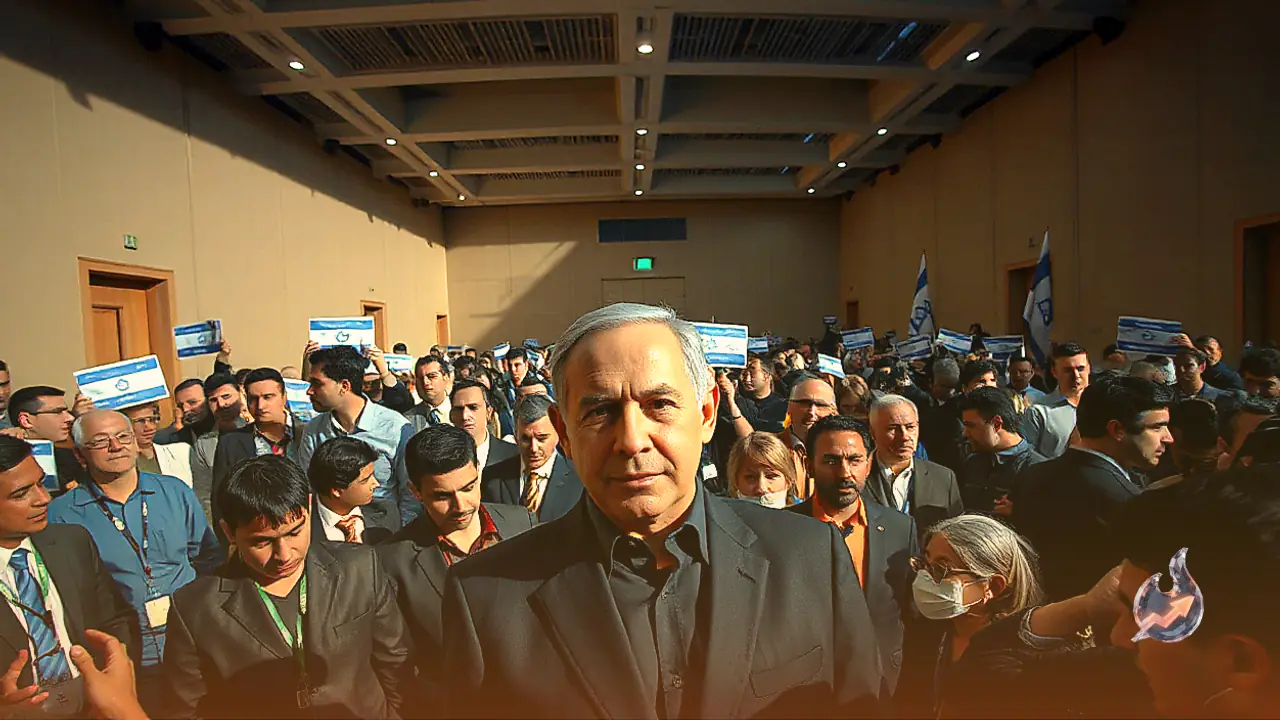
However, tensions rose further when American commentator Tucker Carlson claimed on Monday that Israeli Prime Minister Benjamin Netanyahu has been actively lobbying Donald Trump to launch a nuclear strike on Pickaxe Mountain within days. These cross-cutting remarks have fueled acute public concern over potential military escalations across the region.