





















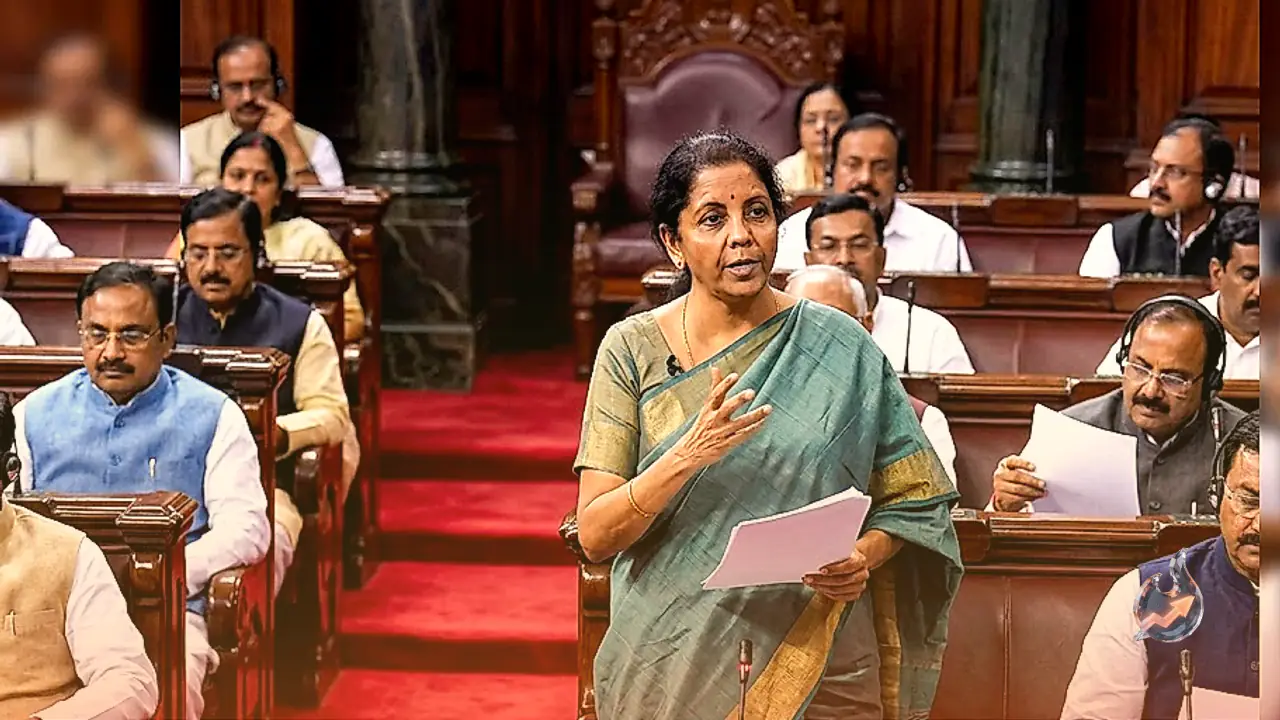

Digital payment mechanisms in India are preparing for a potential structural evolution as legislative proposals focus on financing payment infrastructure. Union Finance Minister Nirmala Sitharaman recently introduced the Taxation and Other Laws (Amendment) Bill, 2026 in Parliament, establishing a formal framework to distinguish between digital transactions that will remain entirely free and those that will incur service levies. The central target of this policy shift is high-value Unified Payments Interface (UPI) transfers, specifically payments exceeding the threshold of Rs 2,000. While the legislative document makes it clear that charges are under consideration for higher-value transfers, significant public discussion centers on how the operational costs will be distributed across the financial ecosystem.
Parliamentary Bill and the Stance of the Reserve Bank of India
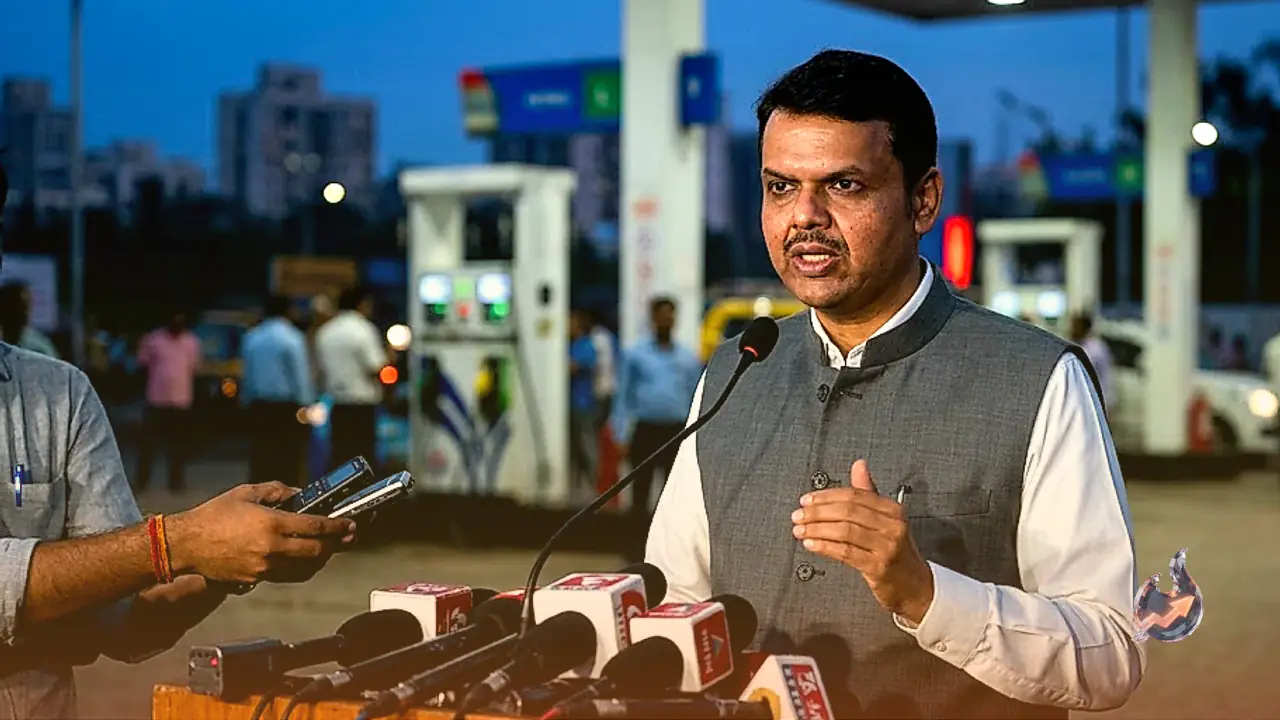
Following the conclusion of the Reserve Bank of India (RBI) Monetary Policy Committee (MPC) meeting on Wednesday, RBI Governor Sanjay Malhotra addressed members of the press to clarify the central bank's perspective on digital payment sustainability. When questioned about whether everyday financial users would directly pay transaction fees for high-value transfers, Governor Sanjay Malhotra indicated that clear decisions on cost-sharing are still being evaluated. "It would be premature to say who will bear the charges on UPI payments," stated Governor Sanjay Malhotra during the media briefing.
Elaborating on the existing dynamics of financial architecture, Governor Sanjay Malhotra observed that consumers already contribute toward maintaining digital payment networks through various indirect channels, even if these expenses do not explicitly appear as line-item transaction fees. Consequently, industry observers note that the eventual financial responsibility could be absorbed by the central government through budgetary subsidies, or passed along to merchant entities that process large digital volumes. Governor Sanjay Malhotra emphasized that the primary objective for financial regulators remains the long-term resilience, security, and technological expansion of the country's payment infrastructure, requiring sustainable funding models.
The Rs 2,000 Threshold and Exemption Guarantees
A fundamental element of the Taxation and Other Laws (Amendment) Bill, 2026 is the explicit protection granted to small-scale daily transactions. The proposed bill outlines that all UPI payments amounting to Rs 2,000 or less will remain completely exempt from any service fees or levies. Official data released alongside the parliamentary bill underlines that transactions valued under Rs 2,000 represent approximately 65% of the total financial value processed through UPI networks across the country.
Furthermore, when evaluating transaction counts rather than total monetary value, government estimations project that approximately 95% of all individual UPI transactions will fall outside the purview of the proposed fee structure. This design ensures that routine micro-payments made by citizens for daily groceries, retail goods, and essential personal services will remain entirely free of cost, preserving the consumer convenience that has driven nationwide adoption of digital payment systems.
Proposed Fee Structures and Merchant Discount Rate Dynamics
For transactions exceeding the Rs 2,000 limit, the government has outlined a proposed levy range between 0.25% and 0.40%. This proposed charge introduces a framework similar to the Merchant Discount Rate (MDR) currently collected on credit card transactions, where commercial merchants pay a percentage fee to banking institutions for processing electronic payments. However, unlike credit card operations, the exact implementation parameters for UPI, including whether merchants or end customers will face direct charges, remain unassigned in the draft bill text.
In addition to the standard levy proposal, policy makers are actively exploring a tiered structure tied directly to commercial scale. Under this alternative framework, merchants generating an annual turnover greater than Rs 1.5 crore could face a levy ranging from 0.3% to 0.5% on UPI payments exceeding Rs 2,000. By linking potential transaction fees to merchant turnover, regulators aim to shield small-scale shopkeepers and micro-enterprises while requiring larger commercial enterprises to contribute toward digital processing overheads.
Digital Payment Statistics and Infrastructure Funding Needs
The scale of India's digital payment ecosystem has reached unprecedented volumes, necessitating continuous capital investment in server architecture, cyber security, and banking interconnectivity. Official statistics highlight that in July alone, the UPI network processed 23.7 billion individual transactions, accounting for a cumulative value of Rs 29.9 lakh crore. Managing such immense volume requires robust technological backends capable of maintaining minimal transaction failure rates during peak usage hours.
As digital payment volume expands further, financial authorities recognize that reliance on zero-fee models across all transaction tiers presents long-term funding challenges for participating banks and system operators. The legislative initiative led by Finance Minister Nirmala Sitharaman and supported by regulatory insights from RBI Governor Sanjay Malhotra signals a transition toward a structured monetization model for high-value transactions. By maintaining free access for 95% of daily transactions while identifying funding avenues for larger payments, policy makers seek to balance consumer accessibility with the technical durability of the national payment grid.