





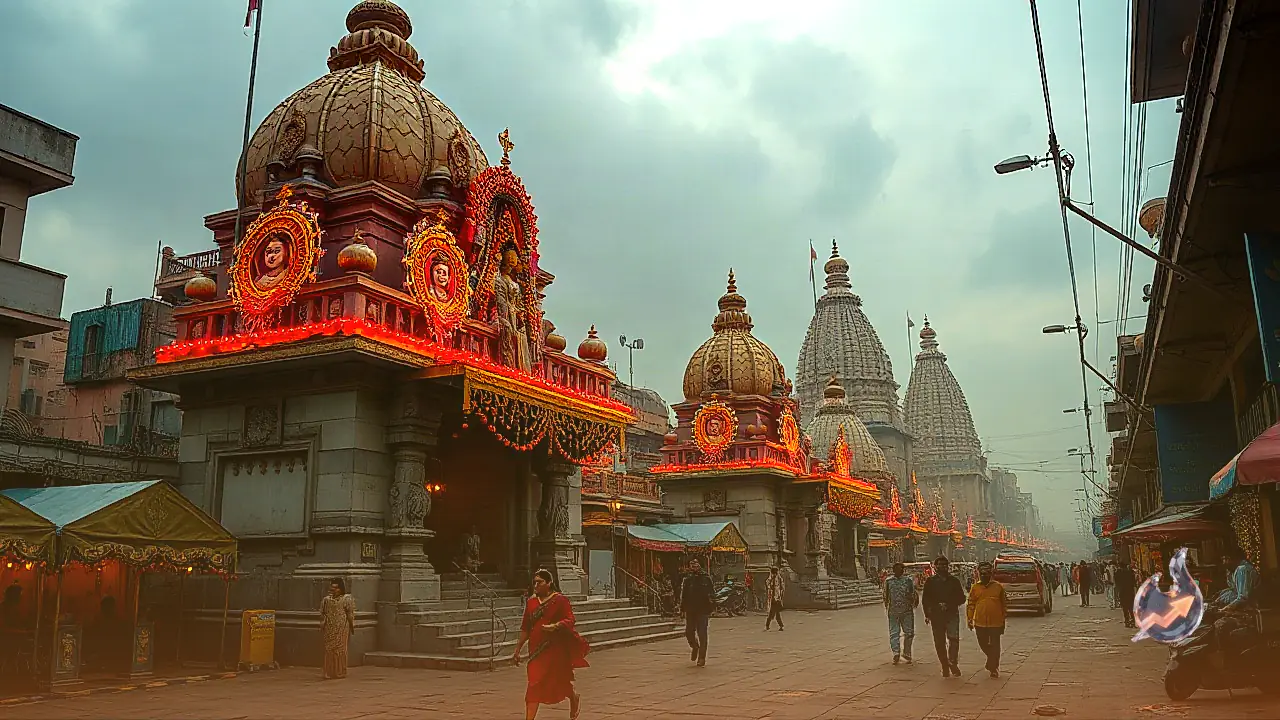














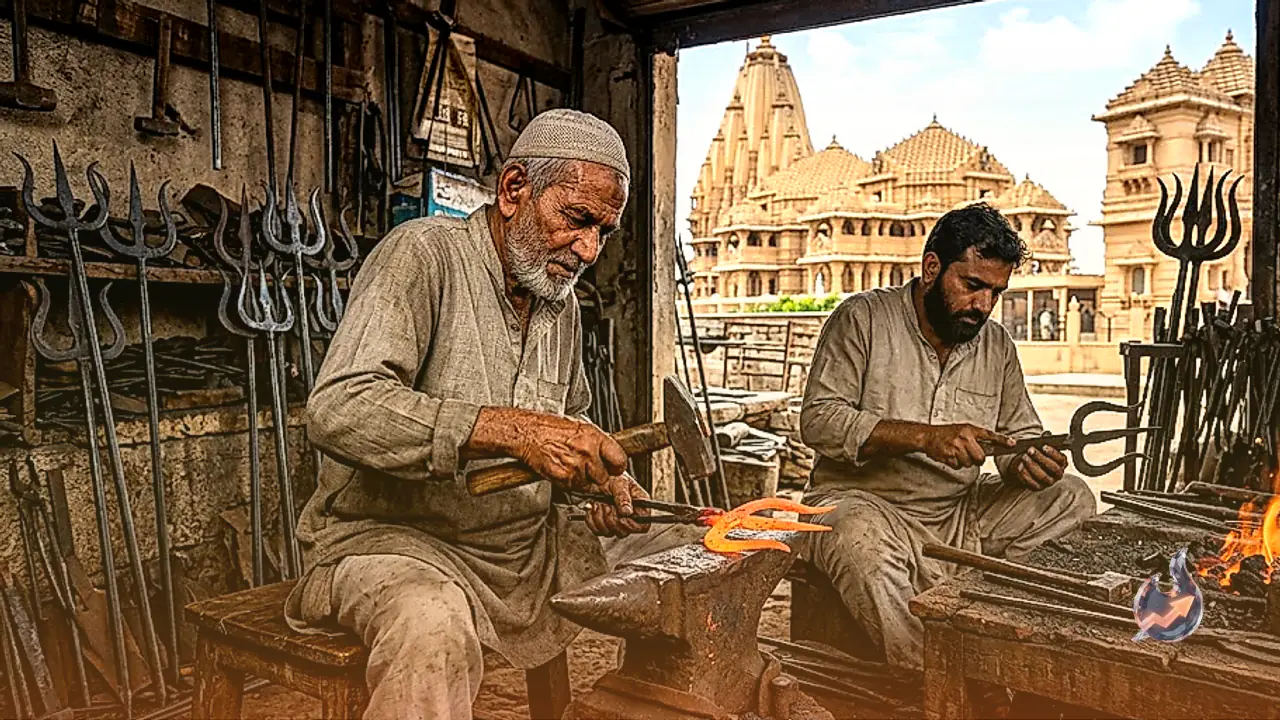

Near the historic Somnath Temple in Pali, a small blacksmith workshop stands as a living testament to centuries of shared cultural heritage and mutual respect. Established before the independence of India, this iron craft shop has operated continuously for nearly 100 years. The traditional furnace that was once ignited by the family elders, the grandfather and the father, is today preserved and run with identical dedication by Usman, Ibrahim, and 60-year-old Ayub. Beyond ordinary metal tools, the workshop is celebrated for shaping the trishul, the revered trident symbolising faith in Lord Shiva, through careful heating and hammering.
A Century of Craftsmanship and an Ancestral Home from 1947
The enterprise is not an ordinary commercial shop but an inherited legacy spanning an entire century. The practice of heating iron to craft durable tools began well before 1947 and continues uninterrupted through changing eras. Standing right beside the workshop is the family residence built 80 years ago, whose aged walls still bear the inscription of the year '1947'. This house and workplace serve as enduring physical reminders of a journey across multiple generations that preserved their core values, artisanal skill, and community brotherhood despite the political and social shifts of the twentieth century.
Forging Trishuls and Temple Ritual Vessels with Precision
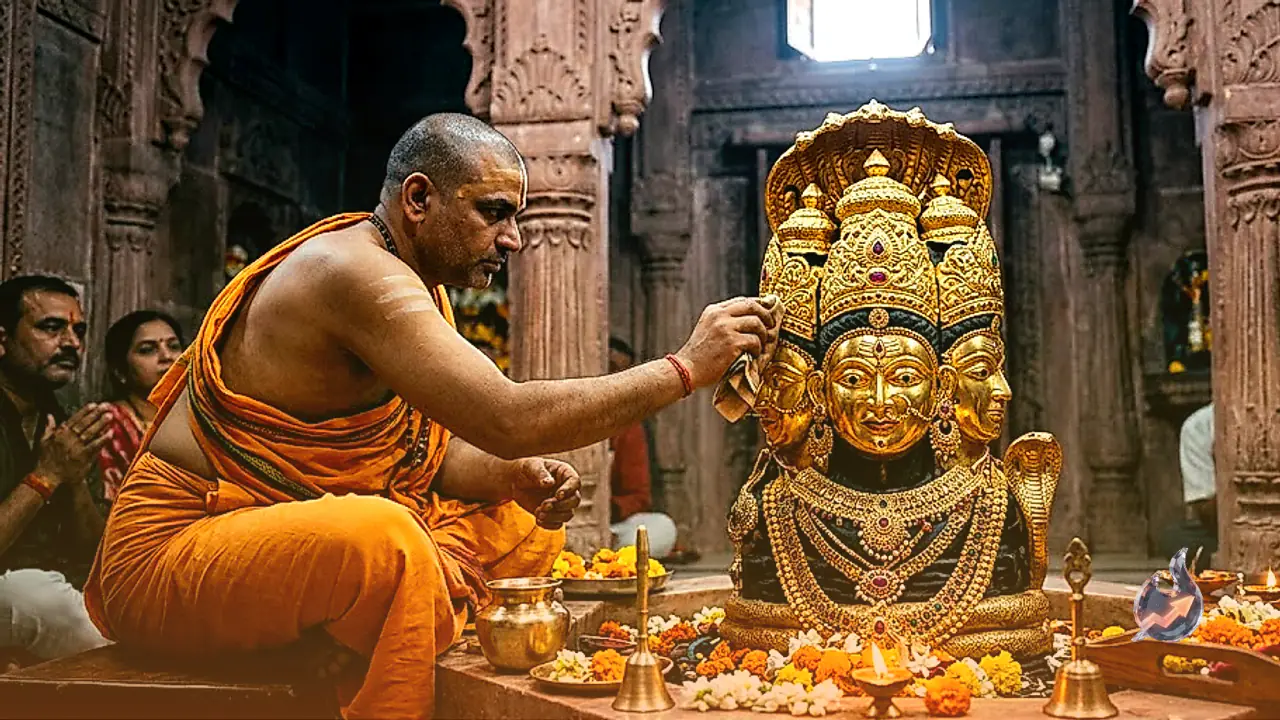
While the artisans regularly forge household and farming essentials including cooking pans, flat griddles, traditional stoves, and hand trowels, their devotion to sacred items is their defining identity. Artisan Ayub, aged 60, explains that their grandfather and father pursued the same livelihood, crafting everyday domestic ironware alongside the sacred trishul dedicated to Lord Shiva with immense precision. Furthermore, the workshop manufactures the kupeda, a specific metal vessel used during evening and morning aarti prayers inside temples. The regular strike of the hammer near the Somnath Temple creates a harmonious rhythm alongside the daily ritual life of the shrine.
Community Trust and an Enduring Bond Across Generations
Neighbourhood residents hold deep admiration for the family and have patronised the workshop across decades. Local citizens recall observing earlier generations of the family forging temple implements, noting that the kupeda required for temple ceremonies has consistently been procured from their hearth. Although generations have passed, the technical mastery of their hands and their warm relationship with neighbours remain entirely intact. The presence of trishuls and aarti vessels made by Muslim craftsmen adorning Hindu temples offers a profound message of human solidarity transcending social divides.