





















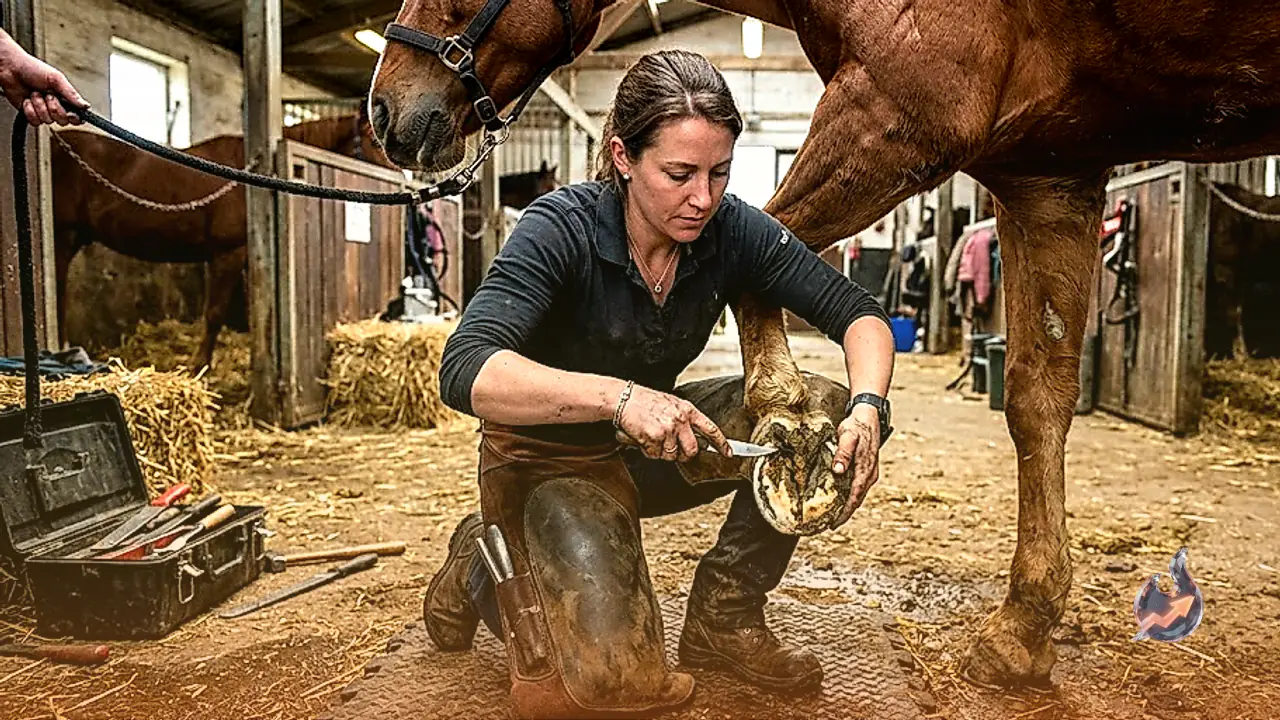

Maintaining sound hoof health represents one of the most critical responsibilities for horse owners and caretakers. Without proactive management, hooves can quickly develop painful cracks, overgrowth, bacterial infections, structural trauma, and severe rot. Prolonged exposure to damp, contaminated bedding or muddy paddocks drastically increases the vulnerability to debilitating infections. Conversely, working or standing continuously on arid, unyielding terrain triggers deep fissures and bruising. What initially seems like a minor surface imperfection can rapidly degenerate into a debilitating condition if left unattended.
How Hoof Ailments Undermine Locomotion and Health
Any underlying pathology within the hoof capsule directly compromises a horse's gait and systemic vitality. When pain develops inside the foot, the animal exhibits clear reluctance to step forward and begins limping noticeably. To escape this discomfort, the horse curtails its voluntary movements, resulting in a precipitous drop in overall physical conditioning. Furthermore, persistent soreness forces the animal to adopt an abnormal posture and irregular gait, transferring undue mechanical stress onto other joints, ligaments, and tendons of the limbs. Because secondary musculoskeletal injuries frequently follow, any structural or behavioral anomaly demands immediate intervention.
Daily Hygiene Practices and Stall Management
Rigorous cleanliness forms the absolute cornerstone of preventing common hoof disorders. Handlers should establish a daily routine of inspecting each foot, using appropriate tools to carefully remove trapped stones, dried mud, manure, and foreign debris lodged around the sole and frog. Stables, stalls, and resting paddocks must be kept dry, hygienic, and properly ventilated. Forcing an equine to stand in waterlogged or muck-ridden enclosures inevitably softens the hoof wall, inviting microbial invasion. Regular hoof trimming and careful reshaping are equally vital to sustain correct balance and structural integrity.
When to Seek Farriers and Veterinary Professionals
Managing advanced hoof deterioration requires skilled intervention rather than amateur remedies. Whenever hooves become excessively overgrown, display deep structural splits, emit a foul odor, exhibit swelling, or cause visible lameness, owners must consult a veterinary doctor or a qualified professional. Specialized tasks such as corrective trimming, deep therapeutic cleaning, and applying appropriate horseshoes should be entrusted exclusively to trained specialists. The frequency of routine hoof care and trimming cycles should always be adjusted to match the surface conditions of the horse's living environment.
Early Warning Signs and Preventative Care
Attentive caretakers can detect brewing hoof issues long before permanent damage occurs. Crucial warning signs include an altered stride, reluctance to bear full weight on a particular limb, frequent lifting or shaking of a foot, localized heat upon palpation, swelling, and unpleasant discharges. A well-rounded management program comprising a balanced diet, clean drinking water, regular exercise, a spotless shelter, and periodic hoof assessments ensures sustained physical vigor. In instances of acute inflammation or deep-seated infection, timely veterinary treatment remains indispensable to full recovery.