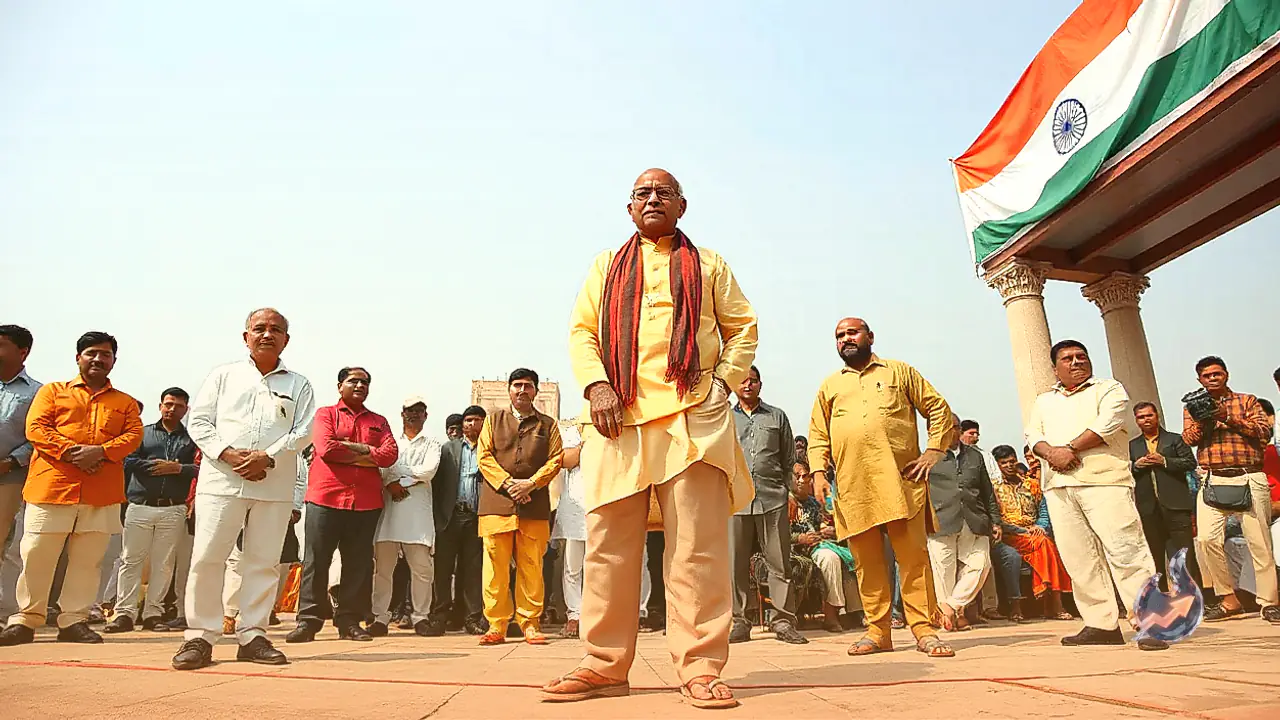















The historic Ramlila Maidan in the national capital is gearing up to host a massive political gathering by the opposition INDIA bloc on November 1. With an expected turnout of around 50,000 attendees, a multi-layered security blueprint combining heavy ground deployment and advanced surveillance technology has been put in place. Security planners have designed the strategy to closely track movements both within the expansive grounds and across adjacent arterial roads.
The scheduled rally serves as a major demonstration against the Special Intensive Revision (SIR) of electoral rolls and presses for the resignation of Chief Election Commissioner Gyanesh Kumar. Opposition leaders allege significant irregularities in the voter roll revision process and plan to use this central platform to voice their dissent. Managing an event of this scale presents a significant challenge, requiring officials to safeguard thousands of participants while preventing disruption to law and order and general traffic flow across central parts of the city.
12-Acre Grounds Divided into 14 Security Zones and 8 Sectors
Spanning approximately 12 acres, the entire venue has been demarcated into 14 separate security zones to ensure focused crowd management. Each designated zone will operate under the direct operational command of an Assistant Commissioner of Police (ACP). To enhance strategic coordination and field oversight, these 14 zones have been further grouped into eight overarching sectors supervised directly by senior police officers.
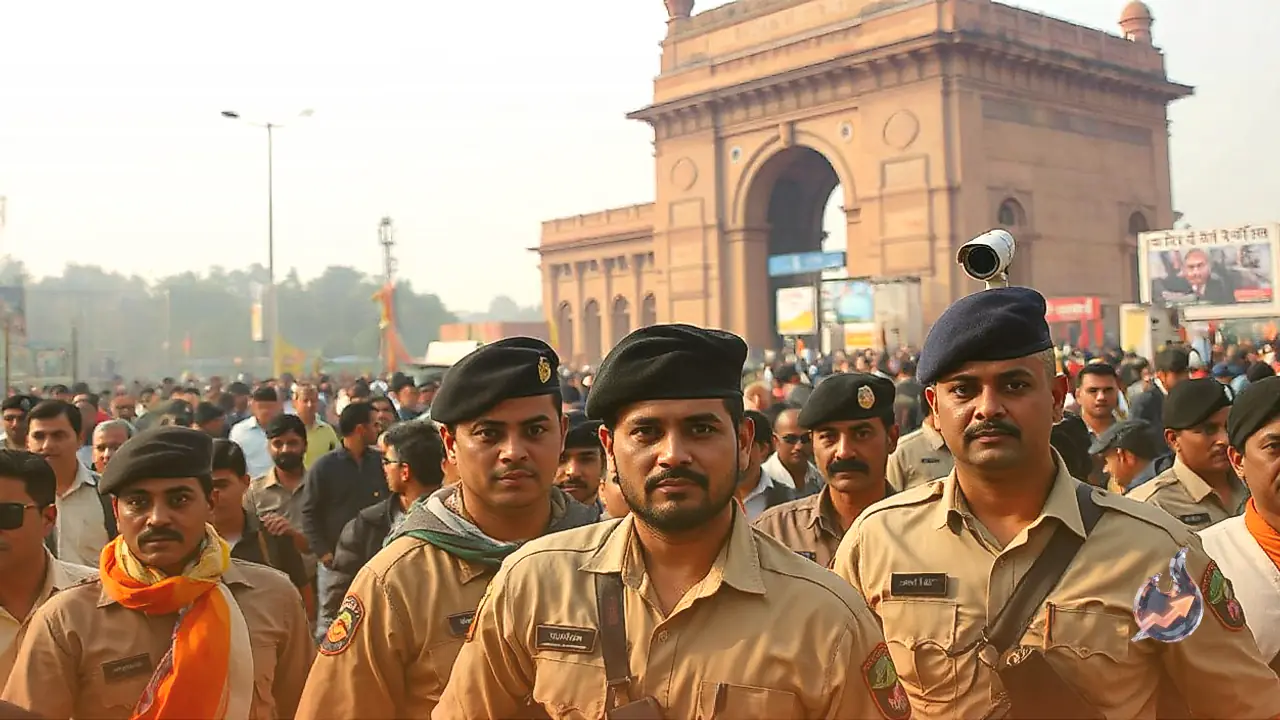
On the ground, approximately 3,000 to 3,500 police personnel are scheduled for deployment across the venue and surrounding corridors. Units from the Central Armed Police Forces will join these personnel, forming an integrated security grid. This combined force will maintain constant vigilance from the interior perimeters to surrounding transit corridors to resolve any emerging security situation immediately.
250 High-Definition Cameras, AI Face Scanning, and Body Cameras
Surveillance for the event will rely extensively on modern digital oversight. Between 200 and 250 high-definition CCTV cameras are being installed across Ramlila Maidan and nearby access points. These cameras will cover entry and exit barriers alongside interior open spaces to monitor the continuous flow of attendees throughout the day.
Live video feeds will be relayed to dedicated control rooms, enabling officers to detect suspicious behavior, crowding bottlenecks, or potential unrest without delay. Surveillance will be supplemented by AI-driven facial scanning technology deployed near the perimeter. In addition, field personnel positioned across key locations will wear body cameras to document on-ground developments in real time.
Entry Restricted to Three Designated Gates Out of Eight
While Ramlila Maidan features a total of eight access gates, only three will be opened for general public entry to maintain strict access control. A separate, dedicated gate has been assigned for VIP dignitaries, while senior police officers will utilize their own independent entrance. This separation is intended to eliminate congestion and prevent unauthorized access.
Every visitor entering the grounds must pass through a two-tier physical and electronic screening process. To reinforce these checkpoints, baggage screening scanners and door frame metal detectors are being installed at each public entrance. Sturdy barricade channels will regulate pedestrian flow, ensuring attendees move forward in an orderly queue without sudden surges.
Fixed 10 AM to 5 PM Timeline and Emergency Exit Protocols
The operational window for the gathering has been restricted to between 10:00 AM and 5:00 PM. Event organizers have received strict instructions that all proceedings must conclude within this official schedule, with overnight stays strictly prohibited on the venue grounds. Planners have also designated an exclusive emergency exit gate to allow for rapid, unhindered evacuation if an urgent contingency arises.
Field units have been directed to track crowd movements closely to prevent groups from dispersing into unauthorized street marches toward other parts of the capital. Organizers have been instructed to station an adequate number of trained volunteers across the ground, provide accessible drinking water points, and set up segregated sanitation facilities for women. Furthermore, organizers must furnish comprehensive vehicle and bus itineraries alongside lists of invited guests and volunteers, coordinating directly with traffic authorities to manage designated parking zones and maintain smooth vehicular movement.