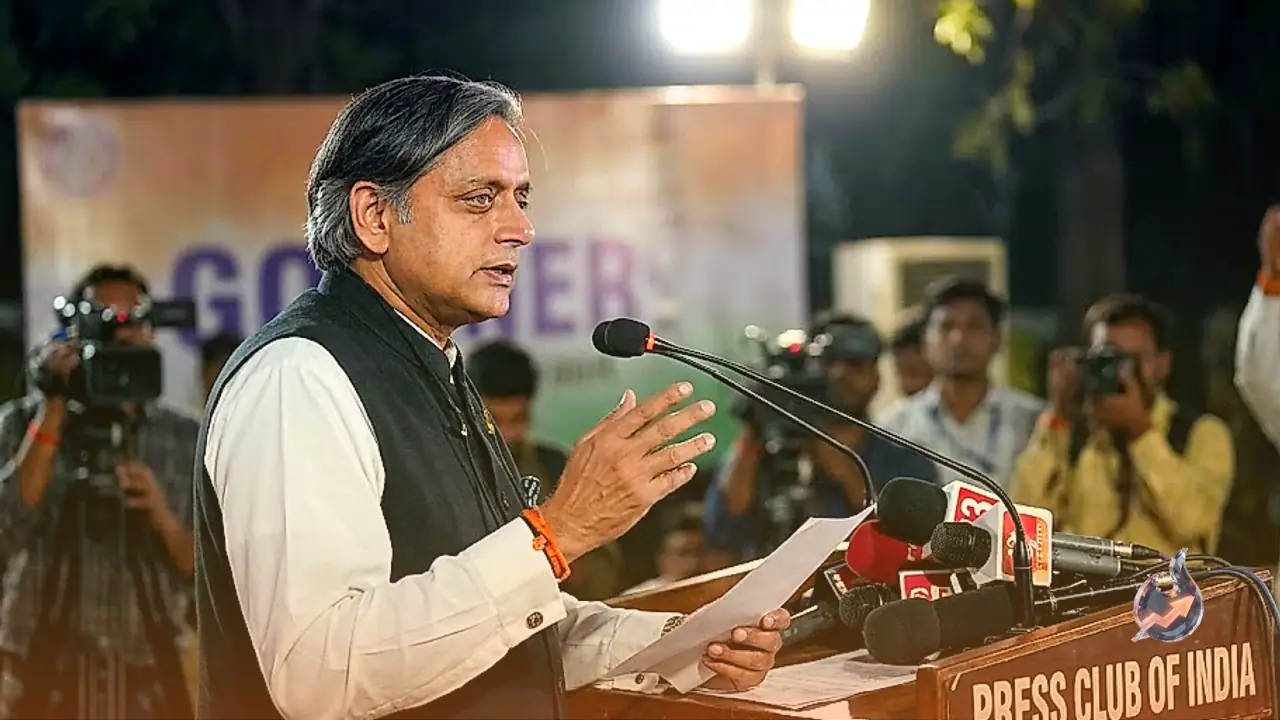




















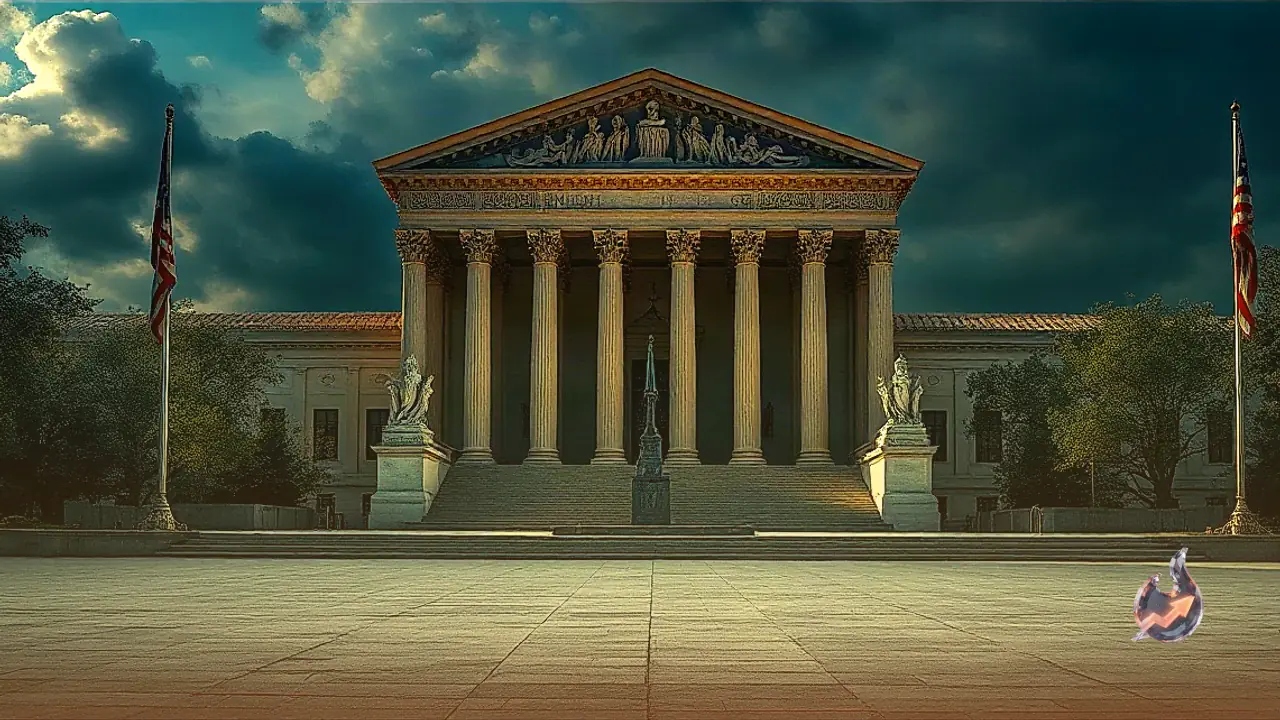

Supreme Court judge Justice Dipankar Datta has strongly contested the widespread perception surrounding higher judicial appointments, describing the notion that judges appoint judges as an absolute myth. Addressing this recurring criticism, he explained that the selection of judges to constitutional courts is by no means an exclusive judicial monopoly. Instead, the appointment pipeline involves rigorous participation from both union and state executives, extensive vetting by intelligence agencies, and evaluations by various statutory authorities. The final seal of appointment rests solely upon the constitutional assent of the President of India, demonstrating that multiple governance branches contribute to every single elevation.
Separate Judgment in Election Commission Law Challenge
Justice Datta articulated these significant observations in his separate opinion concerning legal challenges against the 2023 legislation that governs the appointment of the Chief Election Commissioner and fellow Election Commissioners. During proceedings, the Union government had attempted to draw a parallel between the executive-dominated selection panel for election officials and the judicial collegium mechanism. Rejecting this comparison, Justice Datta observed that equating the two institutional models was misplaced. Following split perspectives between Justice Dipankar Datta and Justice Satish Chandra Sharma, the legal dispute surrounding the election commissioner appointment process has now been placed before the Chief Justice of India for the constitution of an appropriate Constitution Bench.
Selective Approvals and Erosion of Collegium Sanctity
Delving deeper into institutional friction, Justice Datta voiced deep concern over the executive arm's selective clearance of recommendations forwarded by the collegium. He noted that whenever the judicial body sends a batch of candidates and the government selectively approves some while withholding or stalling others, the sanctity and integrity of the original collective recommendation suffer immense damage. Such pick-and-choose approvals weaken the foundational weight of the collegium's formal resolutions. Pondering the sustainability of this ongoing institutional dynamic, he raised critical questions regarding how long this uneasy friction between the judiciary and the executive can endure without compromising governance norms.
Facing a Hobson's Choice to Avoid Constitutional Impasse
Justice Datta noted that despite witnessing arbitrary delays and withholding of specific candidates by the government, the collegium frequently continues to reiterate recommendations and process new appointments. This perseverance stems from a conscientious desire to prevent systemic paralysis in the administration of justice and to avert direct constitutional confrontation with the political executive. Characterizing this predicament as a classic Hobson's choice, he reflected that the judiciary often finds itself constrained to preserve institutional functionality over optimal procedural autonomy.
Dr. BR Ambedkar's Vision for Judicial Independence Under Strain
Drawing attention to constitutional foundations, Justice Datta recalled the profound vision articulated by the architect of the Indian Constitution, Dr. BR Ambedkar. The framers had envisioned an independent, robust, and competent judiciary strictly insulated from executive dominance and political interference. Examining present realities, Justice Datta observed that Dr. Ambedkar's foundational vision appears to be fading and enduring severe operational strain, as executive leverage over judicial vacancies poses serious challenges to the separation of powers.
A Pragmatic Mechanism Despite Inherent Imperfections
While defending the necessity of the collegium, Justice Datta did not shy away from acknowledging its internal shortcomings, including criticisms regarding transparency deficits and isolated appointment anomalies. Nonetheless, he emphasized that systemic imperfections and human fallibility should not serve as an excuse to discard the entire institutional safeguard. No governance mechanism operated by human beings can guarantee infallible perfection. He affirmed that, despite its documented flaws, the collegium remains the most workable and realistic mechanism available to shield judicial independence in the country. He expressed optimism that the collegium will exercise sound, prudent, and equitable discretion in charting future appointments.