























For sugarcane growers in Gonda, the monsoon season is both an opportunity and a risk. Rain brings the moisture the crop needs to grow fast, but if that water sits in the field for too long, it can end up destroying the very same crop it was supposed to help.
Waterlogging Hits The Roots The Hardest
Progressive farmer Raghvendra Mishra says standing water is the single biggest threat to sugarcane roots during the rains. When water remains in the field, roots start to rot, plant growth stalls, and the risk of disease shoots up. That, in turn, hits yield directly and can wipe out weeks of a farmer's effort.
Don't Let Water Sit For More Than 24 To 48 Hours
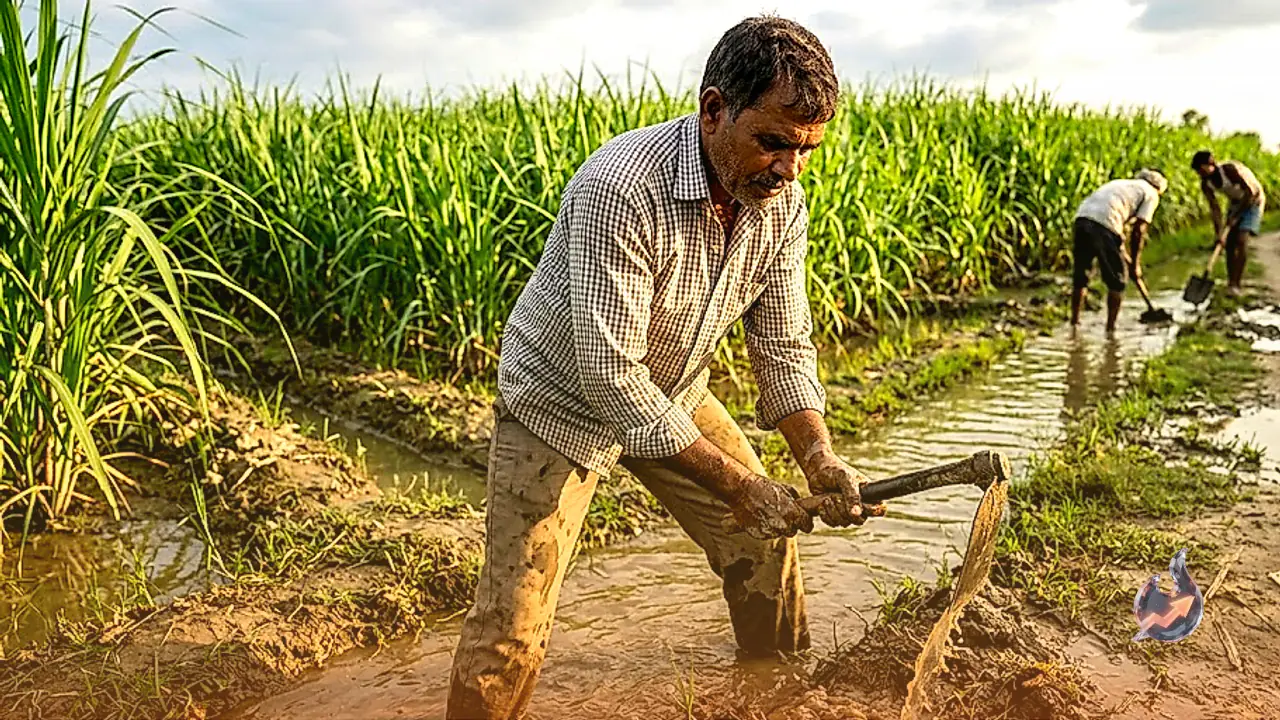
According to Mishra, water should never be allowed to stand in a sugarcane field for more than 24 to 48 hours. Beyond that window, roots weaken and plants begin to wilt. That's why the first task after rainfall stops should always be draining out the excess water from the field.
Dig Drains And Keep Checking The Field Regularly
He recommends digging drainage channels at different points in the field so that rainwater keeps flowing out instead of collecting. Alongside this, farmers should inspect their fields regularly. If any plant shows signs of pest attack or disease, an agriculture expert should be consulted immediately so the right pesticide or medicine can be sprayed without delay.
Clear Out Weeds And Tie Up Leaning Plants
Mishra also stresses keeping the field free of weeds during the monsoon, since weeds absorb a large share of soil moisture and nutrients meant for the crop, slowing down sugarcane growth. On top of that, heavy rain and strong winds can cause sugarcane stalks to fall over, so plants should be tied up in time to keep the crop safe.
Applying Fertiliser At The Right Time Also Helps
Mishra points out that this particular period is considered highly favourable for sugarcane, which makes it an ideal time to apply fertiliser to the crop. Doing so at this stage tends to noticeably improve both the quality and the yield of the harvest. "Timely drainage, keeping the field clean and regular monitoring can still deliver a good sugarcane harvest even during the rains," he said. A little extra caution, he adds, can save farmers from heavy losses and help them earn better returns.