





















Growing irregularities within administrative and educational institutions alongside a lack of timely international coordination during natural disasters have raised serious questions on multiple fronts. On one hand, officials and institutions in Maharashtra and Rajasthan have been implicated in recruitment paper leaks and counterfeit degree networks. On the other, a sudden and catastrophic flood originating from Tibet has swept through neighboring Nepal, destroying lives and infrastructure. These events highlight an urgent need for uncompromising legal action, structural transparency in recruitment, and dependable transboundary disaster alert systems.
MPSC Examination Cancelled in Maharashtra: Paper Leak Racket Uncovered
A major corruption scandal has surfaced in the state of Maharashtra surrounding the Drug Inspector recruitment examination conducted by the Maharashtra Public Service Commission. The written test was administered on March 22, with results officially declared on June 12. Following the written clearing stage, candidate interviews were conducted in July, leading to the publication of final selection lists on July 22. A total of 485 successful candidates were awaiting their official appointment letters when the commission suddenly announced the complete cancellation of the examination process and ordered a fresh re-examination.
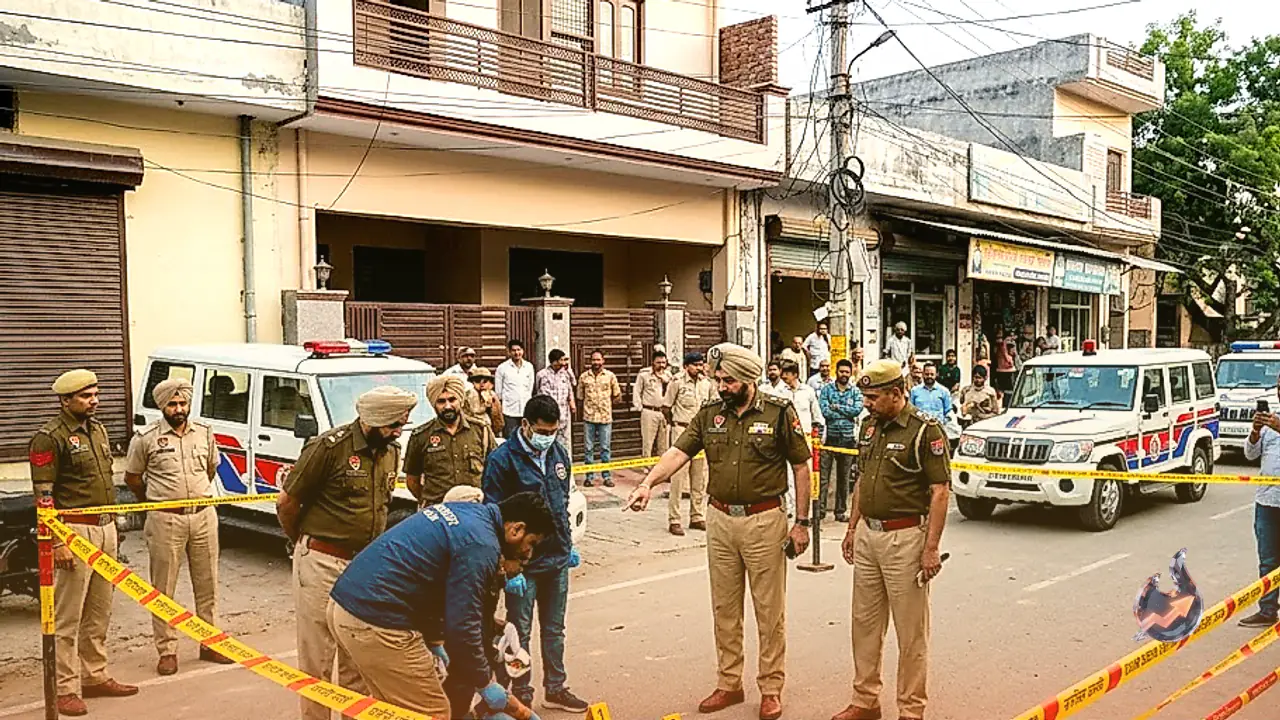
Investigations conducted by the Police Crime Branch revealed that the examination paper had been leaked on March 20, two full days prior to the test date. Law enforcement authorities have arrested 6 individuals in connection with the crime. Those taken into custody include an Under Secretary of the MPSC, two Section Officers, and the operator of a private coaching institute. Probe reports indicate that leak syndicates charged candidates up to Rs 40 lakh each to provide access to the confidential question paper.
The exposed network came to light primarily due to a personal fallout between two key figures, Gaurav Patil and Rutuja Patil. Had their interpersonal dispute not occurred, the systemic breach might have remained undetected for much longer. However, the resulting cancellation has placed an unfair burden on 485 candidates who cleared the rigorous evaluation through genuine merit and hard work, only to lose their career opportunities due to institutional corruption.
Fake Degree Syndicate Exposed in Rajasthan: University Officials Arrested
A parallel recruitment fraud has emerged in Rajasthan during the document verification phase for Physical Training Instructor positions. Discrepancies were flagged when a selected candidate presented educational credentials to claim an appointment letter. Verification officers discovered that both the degree submitted during the initial application and the secondary certificate provided prior to joining were completely fraudulent.
Tracing the origin of the forged credentials led the Rajasthan Police to Satya Sai University, located in the neighboring state of Madhya Pradesh. A specialized police team raided the institution and arrested Vice Chancellor Mukesh Tiwari, Exam Controller Sanjay Rathore, and Computer Operator Anand Sharma. All three suspects were extradited on transit remand to Jaipur for detailed custodial interrogation.
Subsequent investigations revealed that at least 66 candidates in the PTI recruitment examination had acquired backdated B.P.Ed degrees from Satya Sai University. The institution was operating a widespread commercial racket issuing unauthorized degrees across multiple disciplines, including B.P.Ed, B.Ed, and Pharmacy programs. When university administrators directly operate illegal document factories, it undermines the foundational integrity of the educational system. Addressing such systemic corruption requires establishing fast-track courts to ensure swift prosecution and strict legal penalties that act as effective deterrents.
Catastrophic Flash Flood Hits Nepal: Two Major Markets Destroyed in 30 Seconds
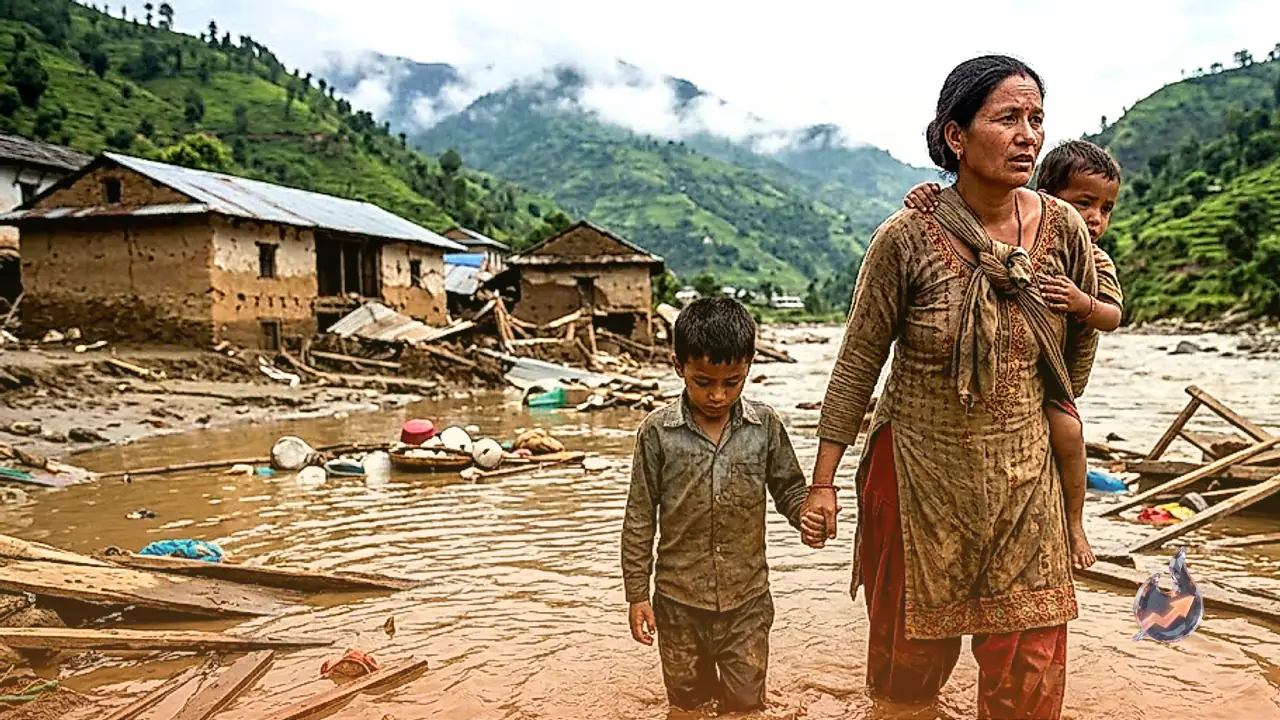
A severe natural calamity has struck Nepal following an avalanche in the mountainous region of Tibet. The avalanche blocked the flow of the Lhende river, a major tributary of the Bhote Koshi river, causing a massive accumulation of water that suddenly burst through downstream channels. Within a span of 30 seconds, a wall of water rising up to 100 feet surged down the valley, leaving residents with virtually no time to evacuate to safety.
The initial impact of the flood hit the border town of Rasuwagadhi near the China-Nepal frontier. Within 30 seconds of the surge arriving, two major commercial markets in Nepal were entirely swept away. The force of the floodwaters destroyed hundreds of residential homes, commercial shops, 3 police outposts, an active hydroelectric power station project, and dozens of structural bridges along the river basin.
Human casualties remain a critical concern, with official records listing 288 Indian nationals and 291 foreign tourists from various countries as missing. A significant portion of the missing Indian citizens were pilgrims returning from the Kailash Mansarovar Yatra who were present at the Chinese immigration office at the border when the flood wave struck. Relief and rescue operations face severe logistical bottlenecks due to severed communication networks, destroyed roadways, and collapsed bridges. In response, the Government of India has deployed 2 Indian Air Force transport aircraft carrying emergency medical supplies and relief goods to assist Nepalese authorities.
Questions Over Delayed Hydrological Warnings from China
Local communities and disaster management experts in Nepal have criticized Chinese authorities for failing to issue timely advance alerts regarding the impending flood. The glacier burst and subsequent river blockage occurred approximately 50 kilometers inside Chinese territory in Tibet. Hydrodynamic estimates indicate that the surge took between 30 to 40 minutes to travel from the rupture site to the Nepalese border.
Experts contend that an advance warning issued even 30 minutes prior to the flood wave arriving would have provided sufficient lead time to evacuate thousands of civilians from low-lying areas. Instead, official data sharing under international transboundary river protocols occurred only after the floodwaters and debris had already traversed Nepalese settlements and caused widespread destruction. Furthermore, experts have warned of potential secondary flash floods from the damaged dam infrastructure upstream, maintaining high risk levels across the region.
RSS Chief Mohan Bhagwat Visits the United States for New York Address
In international diplomatic developments, Rashtriya Swayamsevak Sangh Chief Mohan Bhagwat has arrived in the United States ahead of a scheduled public address in New York. The event, scheduled for August 29 at Madison Square Garden, is expected to draw an audience of over 5,000 Indian-Americans and community members.
The planned address has drawn varied reactions from diaspora groups. Organizations such as the Indian American Muslim Council have actively petitioned local authorities to revoke permits for the event. Commenting on the situation, New York Mayor Zohran Mamdani refrained from ordering a cancellation while stating publicly that his administration does not support divisive ideology.
Observers note that Mohan Bhagwat has consistently advocated for open public dialogue and social harmony, including previous public positions regarding communal disputes and direct engagement with religious scholars from Devband. His upcoming address in New York is expected to focus on organizational perspectives, diaspora engagement, and addressing widespread misconceptions regarding the group's ideological framework.