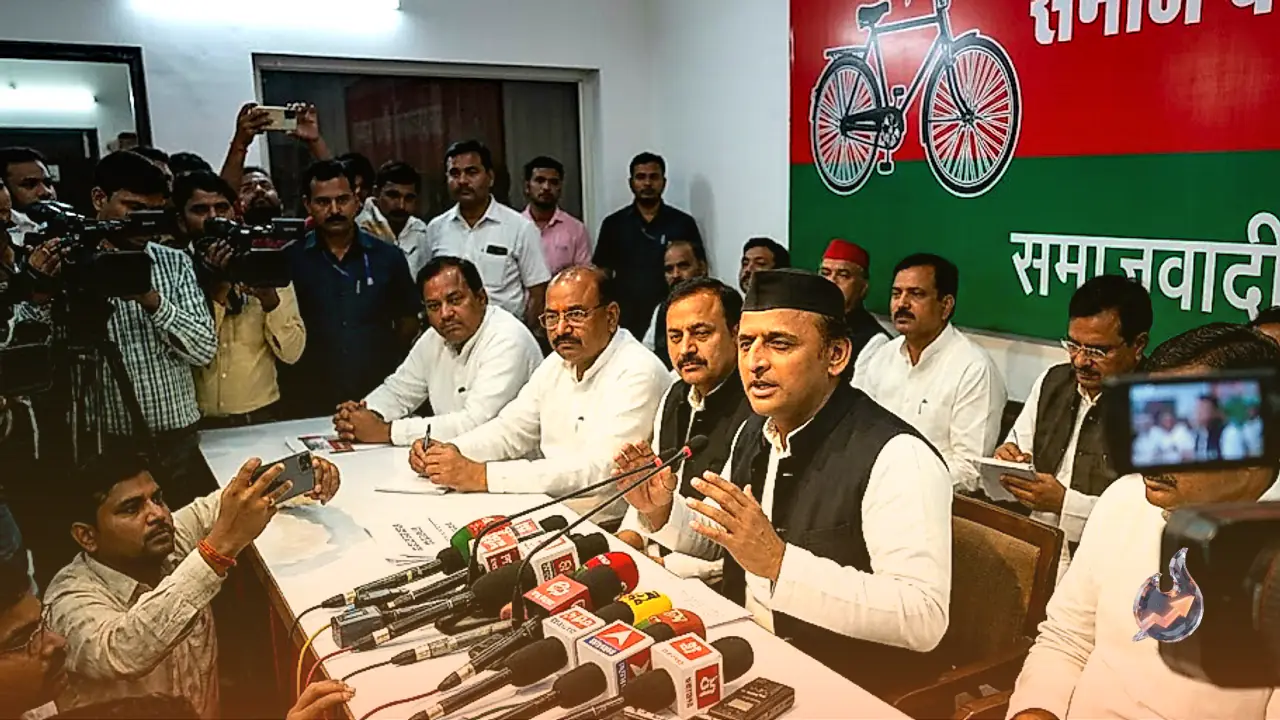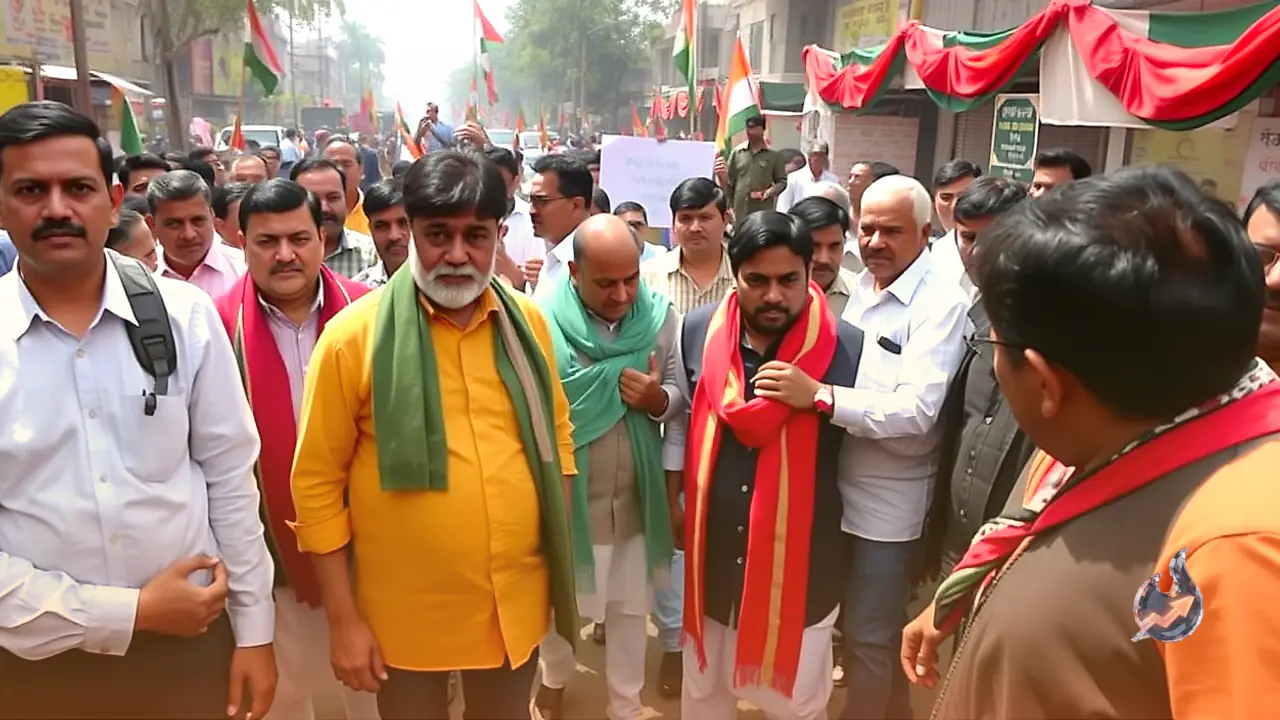


















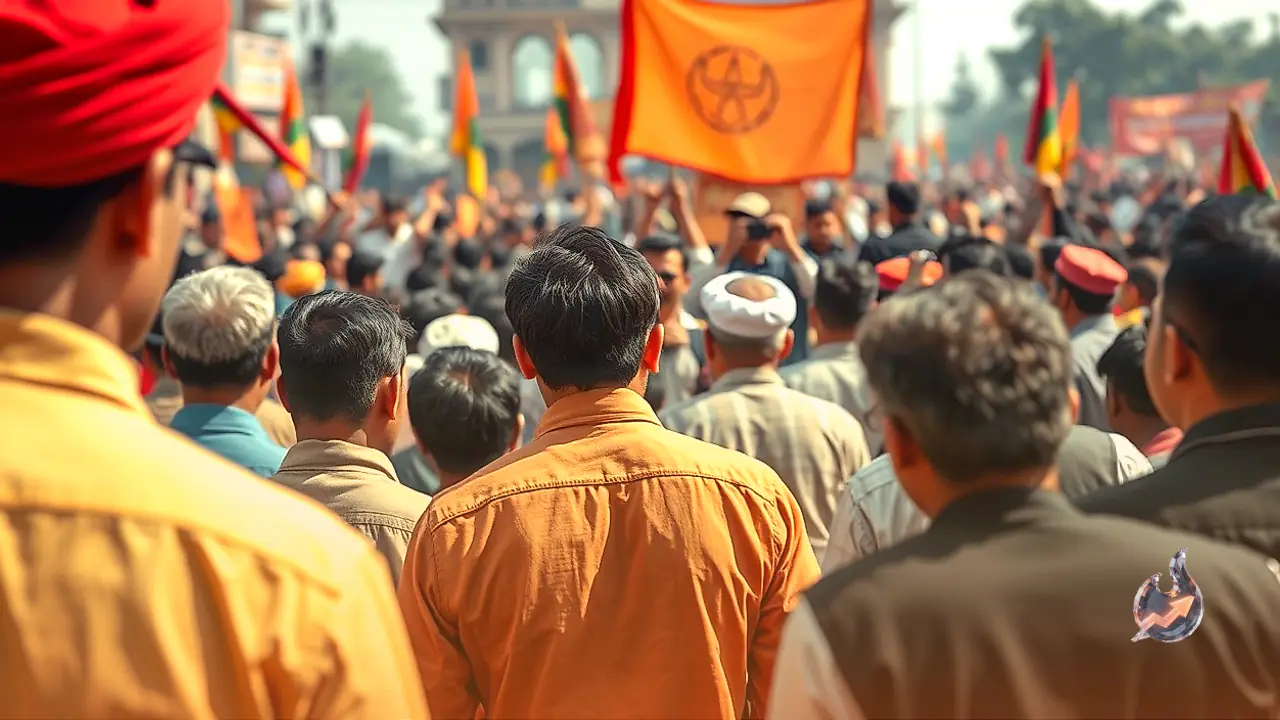

Political friction has intensified around the capital as young demonstrators continue to gather at Jantar Mantar despite administrative restrictions. Samajwadi Party chief Akhilesh Yadav has voiced strong backing for the movement, asserting that official curbs and enforcement actions will not deter people from assembling for their rights. His remarks come amidst rising opposition scrutiny over the handling of student and youth demonstrations across key transit corridors in the national capital.
Opposition Leadership Challenges Administrative Measures
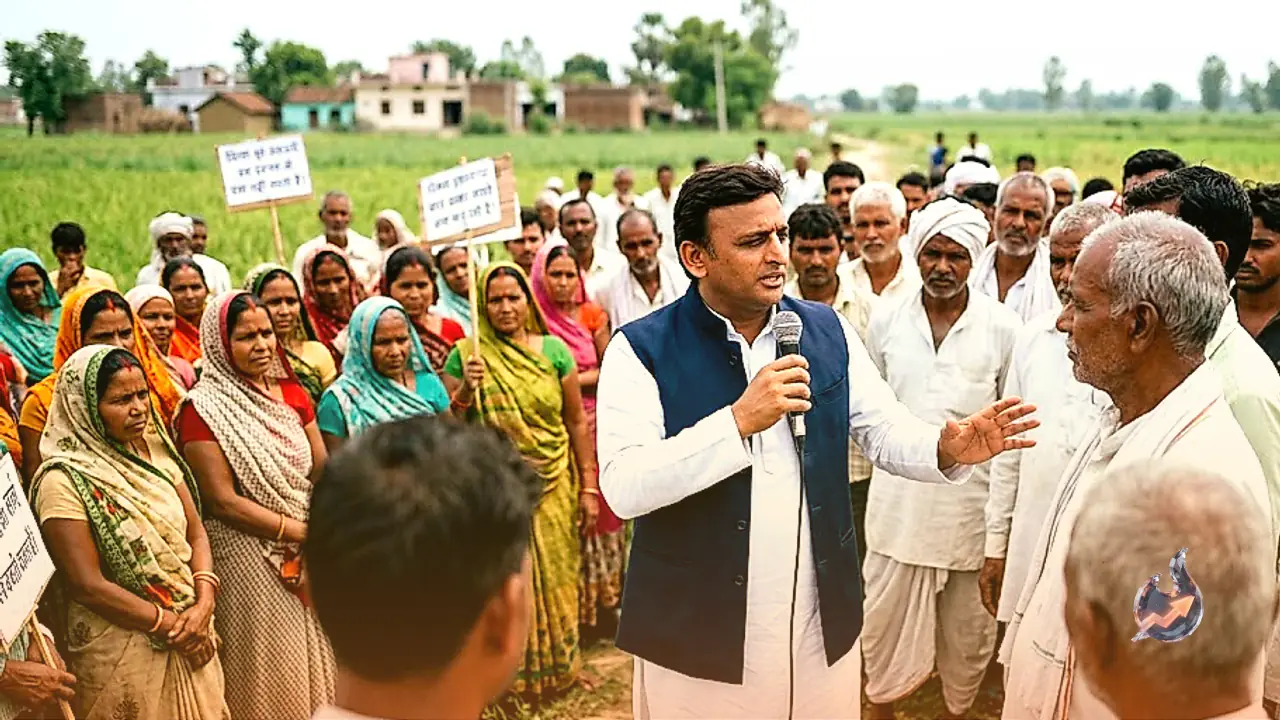
Addressing the broader political climate, Yadav argued that attempting to suppress public expression through sheer authority is a miscalculation by the ruling Bharatiya Janata Party. He emphasized that Jantar Mantar has evolved beyond a physical landmark into a recognized symbol of civic consciousness and national awakening. Reaffirming his alignment with young citizens, Yadav stated that the collective resolve of people seeking change cannot be halted by force or preemptive barricades.
Transit Restrictions and Judicial Interventions
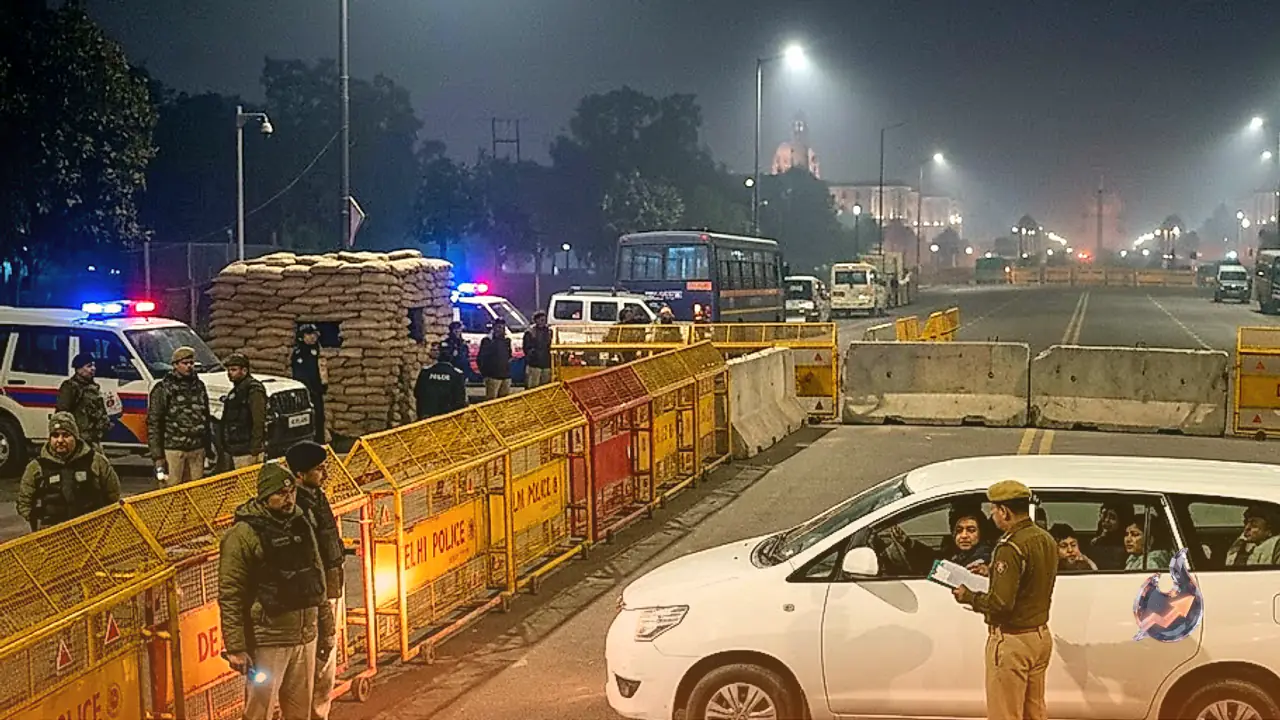
The escalation around the demonstration led to unprecedented administrative clampdowns, including operational curbs across 57 Delhi Metro stations to manage crowd movement. The severe disruption drew attention from Chief Justice of India Surya Kant, who observed that citywide mobility cannot simply be brought to a halt and that prompt steps must be taken to resolve the standoff. Opposition groups strongly criticized the detention of organizers and students, arguing that aggressive containment measures infringed upon lawful assembly.
Cross-Party Reactions to the Demonstrations
Other opposition voices echoed similar concerns, with Aam Aadmi Party leader Sanjay Singh insisting that demonstrators would reach Jantar Mantar regardless of transport blockades. Congress leader Rahul Gandhi had likewise asserted that the public will not be prevented from exercising free expression. Despite appeals and circulars from university authorities including Delhi University and Jawaharlal Nehru University, large contingents of students assembled to press forward with their grievances.
The Historical and Cultural Significance of Gaya
In discussions highlighting regional hubs and historical touchpoints, the city of Gaya in Bihar carries notable cultural weight. Situated along the Falgu River and bordered by the Ramshila, Pretshila, and Brahmayoni hills, Gaya stands as the second-largest urban center in Bihar. Renowned for its mentions in ancient epics such as the Ramayana and Mahabharata, the city holds deep spiritual sanctity across Hindu, Buddhist, and Jain traditions. With Magahi as its prominent regional language, it remains an internationally recognized pilgrimage destination attracting visitors from across the globe.
Public Reactions Across Digital Platforms
Public sentiment regarding Yadav's stance revealed a sharp division among observers online. While supporters commended him for standing up for youth participation and the right to peaceful protest, critics raised concerns over unauthorized gatherings, citywide commuting disruptions, and accused political parties of leveraging student unrest for partisan leverage.