






















Mounting military friction across West Asia driven by the war involving Iran is accelerating strategic realignments among major regional players. Against the backdrop of spreading hostilities, fresh ambitions have surfaced regarding the Mecca Joint Defense Agreement, the mutual security pact established between Pakistan, Saudi Arabia, and Turkey. Discussions have emerged around scaling this collective framework into a broader Islamic defense arrangement patterned after NATO structures. Crucially, military officials have pointed out that the foundational treaty text contains no restrictive clauses barring outside nations from joining, signaling that if nations such as Iran align with its mutual defense principles, diplomatic pathways for their potential inclusion remain structurally open.
Treaty Structure and Potential Expansion Parameters
Addressing international queries regarding the scope of the trilateral alliance, Pakistan military spokesperson Lieutenant General Ahmed Sharif Chaudhry stated that the Mecca accord contains no formal bar against incorporating additional sovereign partners. When asked whether the escalating geopolitical climate could see Iran integrated into the mutual defense framework, the spokesperson highlighted the treaty's explicit text. Chaudhry stated,
"If you carefully read the Mecca Agreement, there is no bar on anybody joining or not joining."He explained that any sovereign state committed to collective security, mutual deterrence, and enduring regional stability would be welcomed to participate in the mechanism. Nevertheless, he clarified that altering the geographic boundaries or expanding the treaty's membership base remains an executive decision reserved entirely for the political leadership of Pakistan, Saudi Arabia, and Turkey.
The Framework of the Mecca Joint Defense Pact
The Mecca Joint Defense Agreement was formally signed on August 7 by Pakistan, Saudi Arabia, and Turkey. At the core of the treaty lies an Article 5-style collective defense commitment: an armed attack launched against any single signatory will be treated as an act of aggression against all member nations. The pact was conceived to establish combined deterrence, coordinate strategic defense resources, and maintain stability across vulnerable frontiers. The strategic weight of this alliance has intensified sharply due to the ongoing war involving Iran and the spillover of cross-border violence across the Gulf. Houthi rebels have now extended their offensive operations to strike targets inside Saudi Arabia. These intensifying escalations have fueled urgent deliberations over whether opening the tripartite framework to additional regional actors could help stabilize volatile security corridors.
High-Level Tehran Diplomacy and Mediation Efforts
Alongside security discussions, notable diplomatic maneuvering has taken place in the Iranian capital. Pakistan Army Chief Field Marshal Asim Munir traveled to Tehran this month for his second official mission within a matter of weeks. The high-profile Pakistani delegation was accompanied by Saudi Arabia Defense Minister Prince Khalid bin Salman and Turkey intelligence chief Ibrahim Kalin. The combined presence of key military and intelligence heads points to coordinated efforts to open channels between conflicting factions. The Pakistani military has voiced cautious optimism regarding its backchannel facilitation between Iran and the United States. Chaudhry observed that the army chief undertaking two consecutive diplomatic visits to Tehran indicates substantive groundwork behind the scenes. However, he warned that certain powerful international actors benefit strategically and materially from prolonged confrontation and could attempt to disrupt emerging peace initiatives.
Commitment to Saudi Security and Deployment Considerations
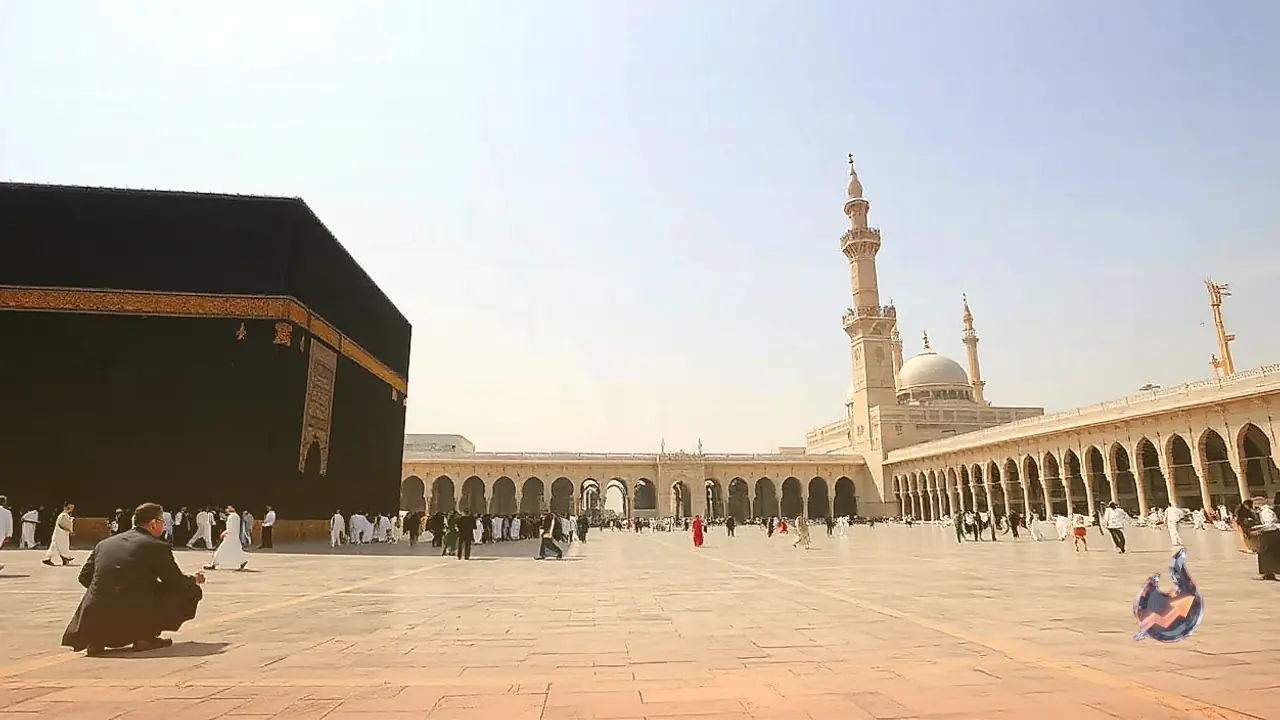
Regarding inquiries into whether additional Pakistani military contingents could be deployed to Saudi territory, Chaudhry clarified that operational deployments depend entirely on dynamic security assessments and bilateral agreements between the political leaderships of both nations. He reaffirmed Islamabad's enduring security commitments toward Saudi Arabia, specifically emphasizing the paramount responsibility of safeguarding the holy sites of Mecca and Medina. Turning to the prolonged conflict in Yemen, Chaudhry maintained that Pakistan remains strictly outside Yemen's domestic confrontation. Nonetheless, intensifying clashes involving the Iran-aligned Houthi faction, alongside widening instability throughout West Asia, continue to exert acute strain on regional defense doctrines and diplomatic balances.