
























In today's parenting landscape, children are frequently taught to express themselves boldly and speak up without hesitation, but the critical art of active listening is often overlooked. Effective communication is never a one-way street; paying close attention to what others are saying is equally fundamental. If a child consistently interrupts people mid-sentence, starts answering before a question is fully asked, or loses attention within just a few minutes of a conversation, their listening skills likely require focused attention. Child psychology experts emphasize that nurturing a good communicator requires more than just speech training, it demands building the capacity to listen attentively and absorb what others convey.
Recognizing Signs of Poor Listening Habits in Kids
When active listening habits are underdeveloped in children, several behavioral challenges begin to surface in their daily routines. Such children frequently jump into tasks without fully hearing the instructions, which significantly increases their chances of making avoidable mistakes. Furthermore, interrupting peers or family members and refusing to wait for their turn during conversations point toward weak listening capabilities. If left unaddressed, these habits can gradually hamper academic progress, mental focus, and healthy interpersonal relationships.
Five Key Benefits of Developing Active Listening in Children
Fostering attentive listening in children leads to profound positive transformations across their academic and personal lives. Here are five primary benefits
- Enhanced Concentration and Academic Success: Listening attentively forces a child to maintain sustained focus. This habit directly translates into better academic performance. A child who listens closely to classroom teachers grasps instructions clearly and commits far fewer errors while completing assignments.
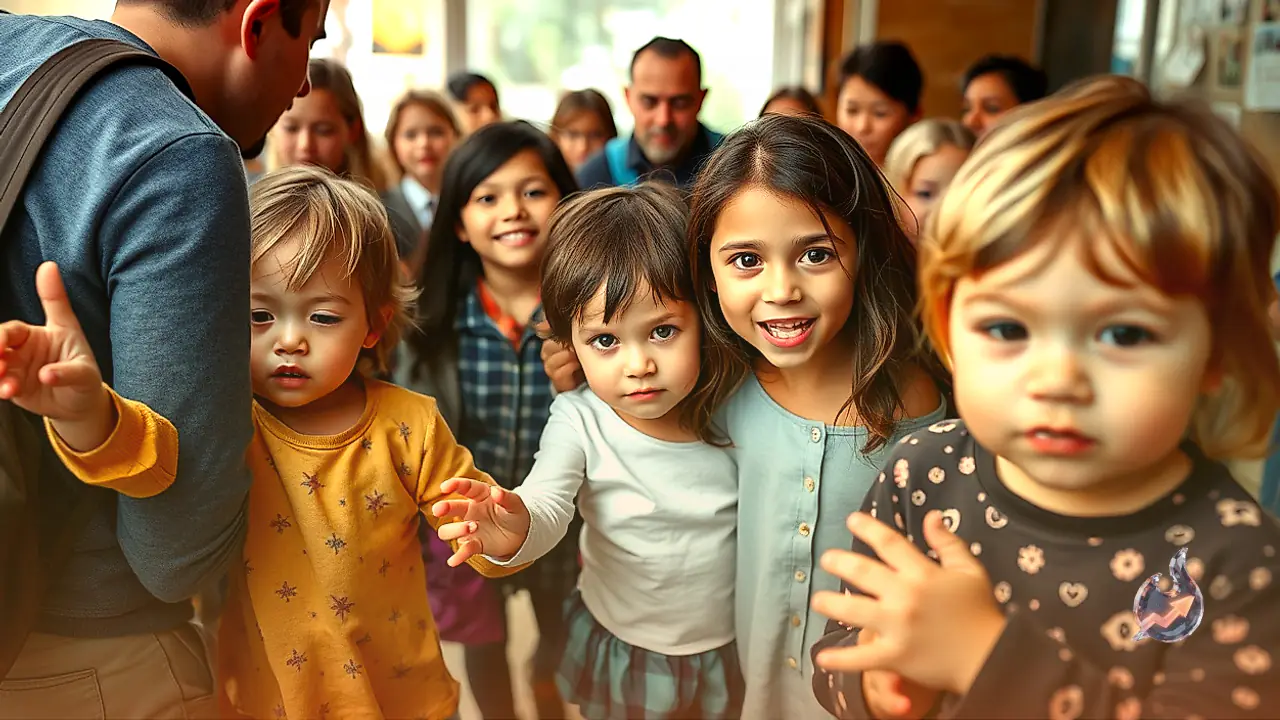
- Stronger Social Skills and Relationships: Becoming a thoughtful listener allows a child to integrate smoothly with peers and family. They learn when it is appropriate to speak and when to stay quiet, which deepens their bonds with friends, siblings, and parents.
- Empathy and Emotional Awareness: Active listening extends beyond merely absorbing spoken words. As children listen carefully, they learn to interpret vocal tones and underlying emotional cues, fostering genuine empathy toward others.
- Better Instruction Following and Learning Capability: Children receive numerous complex instructions daily at home and in school. Developing strong listening habits enables them to comprehend complex questions easily and adopt new concepts with minimal friction.
- Patience and Self-Control: Sitting through an entire statement requires a child to resist the urge to interrupt or respond prematurely. Over time, this practice instills patience and self-discipline, teaching them the importance of waiting for their turn to speak.
Practical Steps for Parents to Teach Active Listening
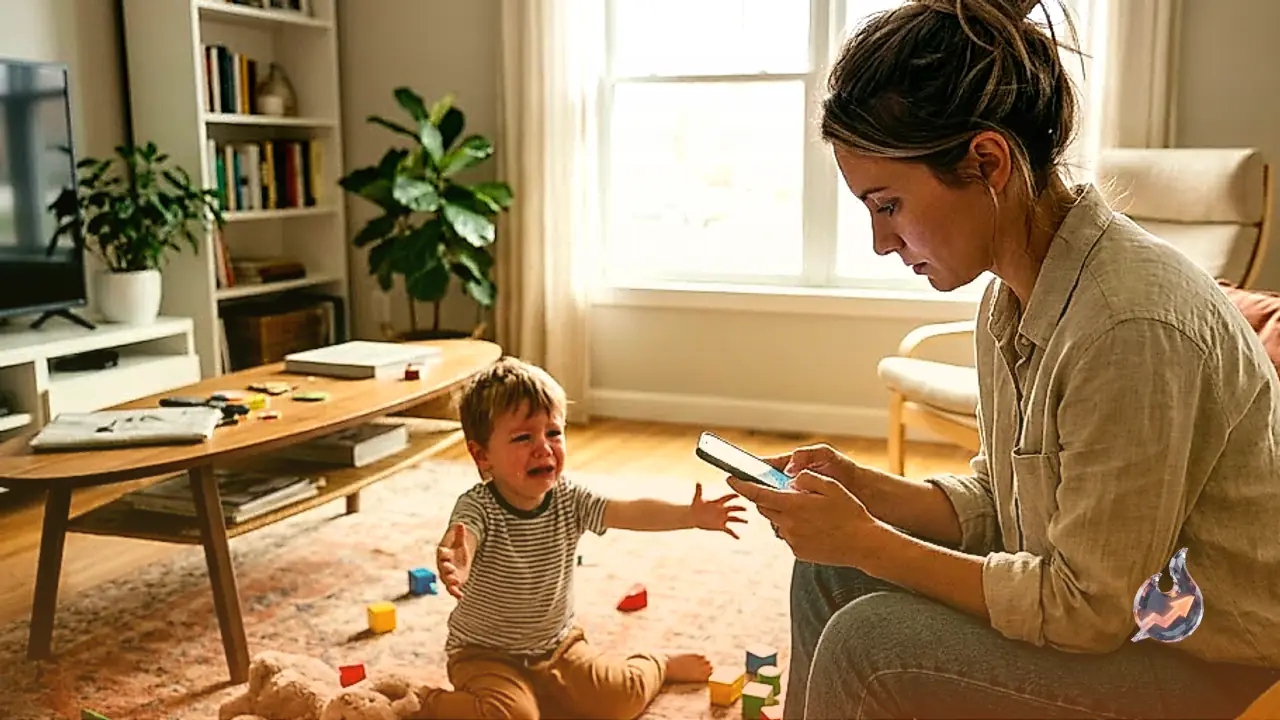
Parents can easily cultivate listening skills through small, consistent household habits. Whenever a child initiates a conversation, put away mobile phones, laptops, or television screens to give them undivided attention. Maintain steady eye contact and refrain from cutting them off before they finish speaking.
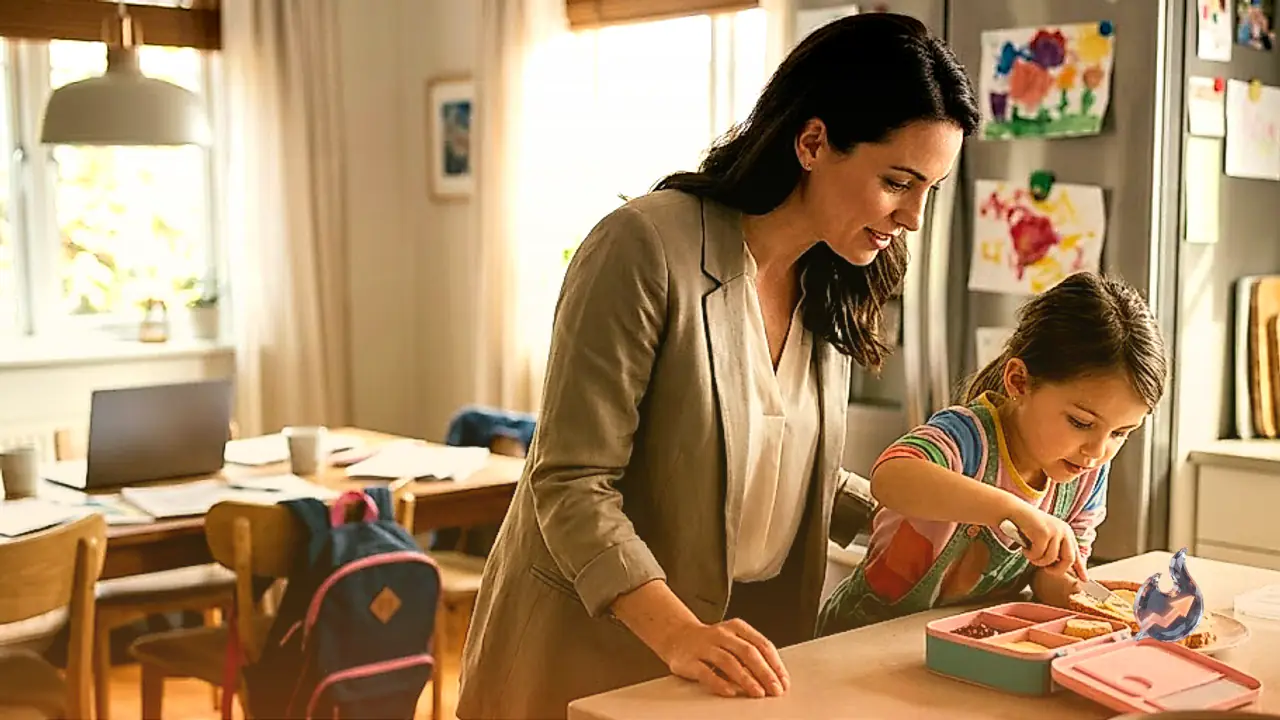
Additionally, ask open-ended questions about their daily activities and allow them to explain their thoughts without interruption. During bedtime story sessions, pause periodically to ask what they have understood so far. Establishing a simple household rule like listen first, respond second can also reinforce this behavior. Most importantly, parents must lead by example, as children naturally mirror the communication habits they observe at home.