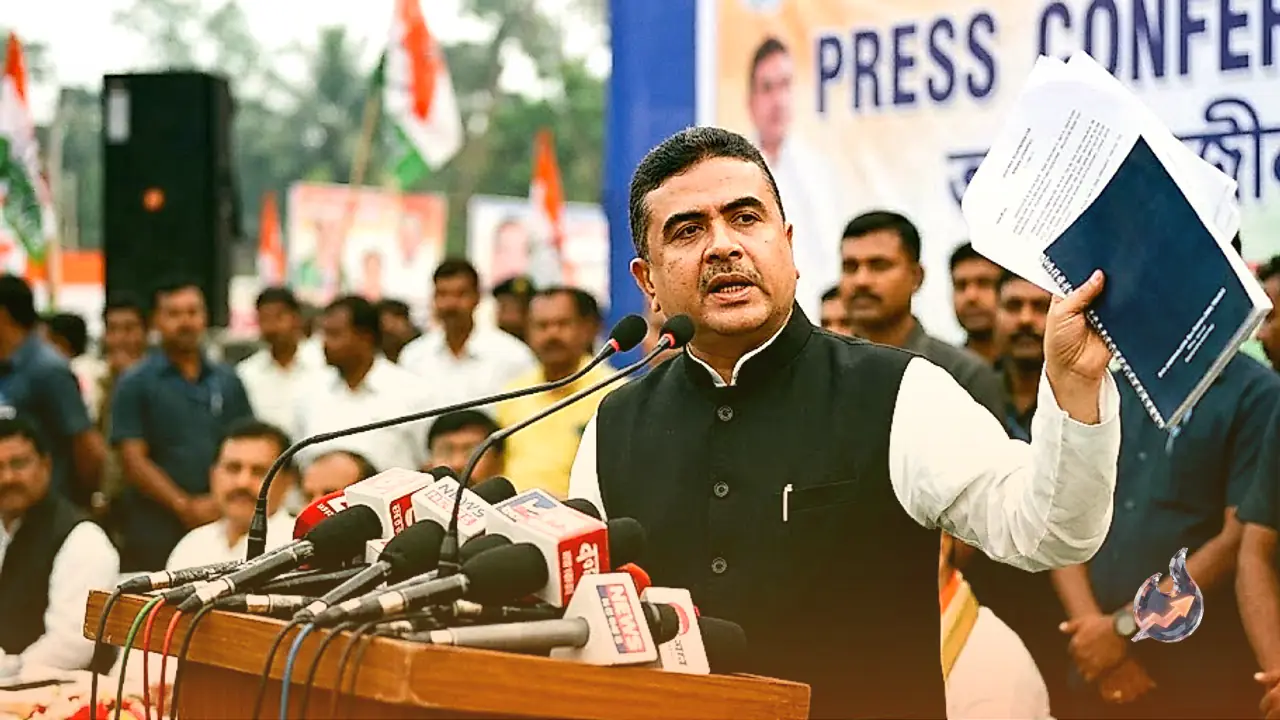



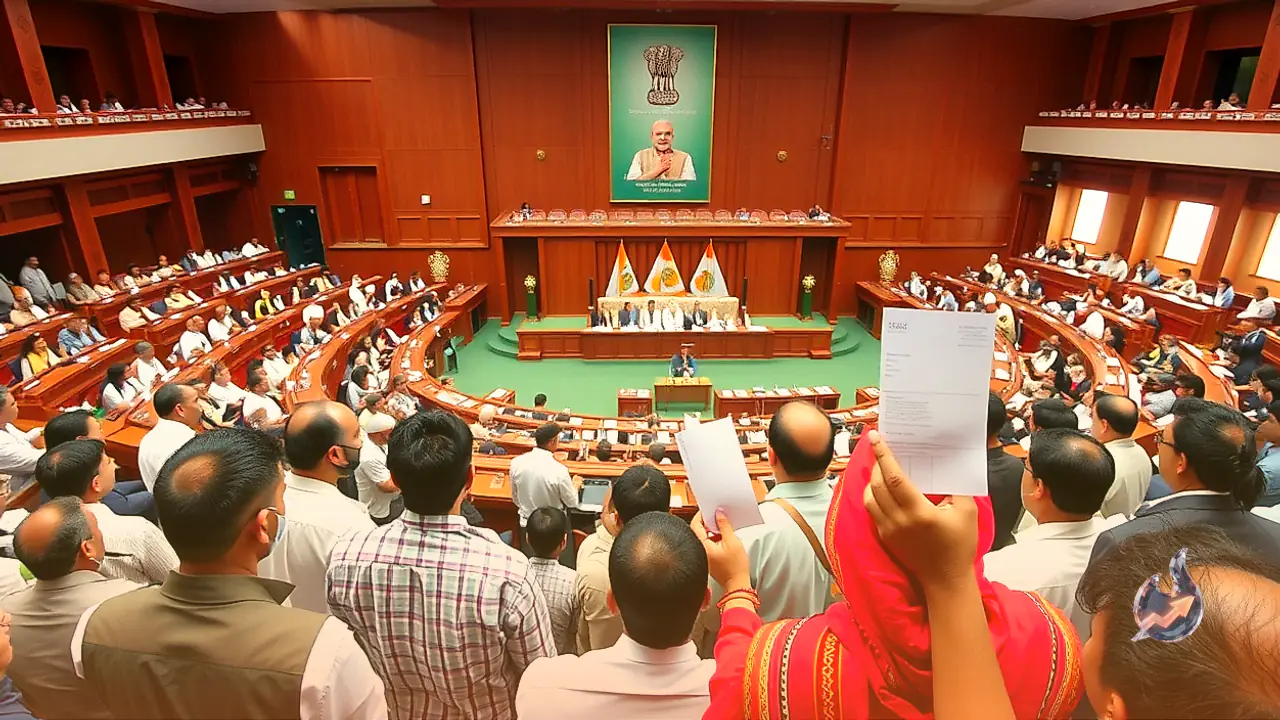















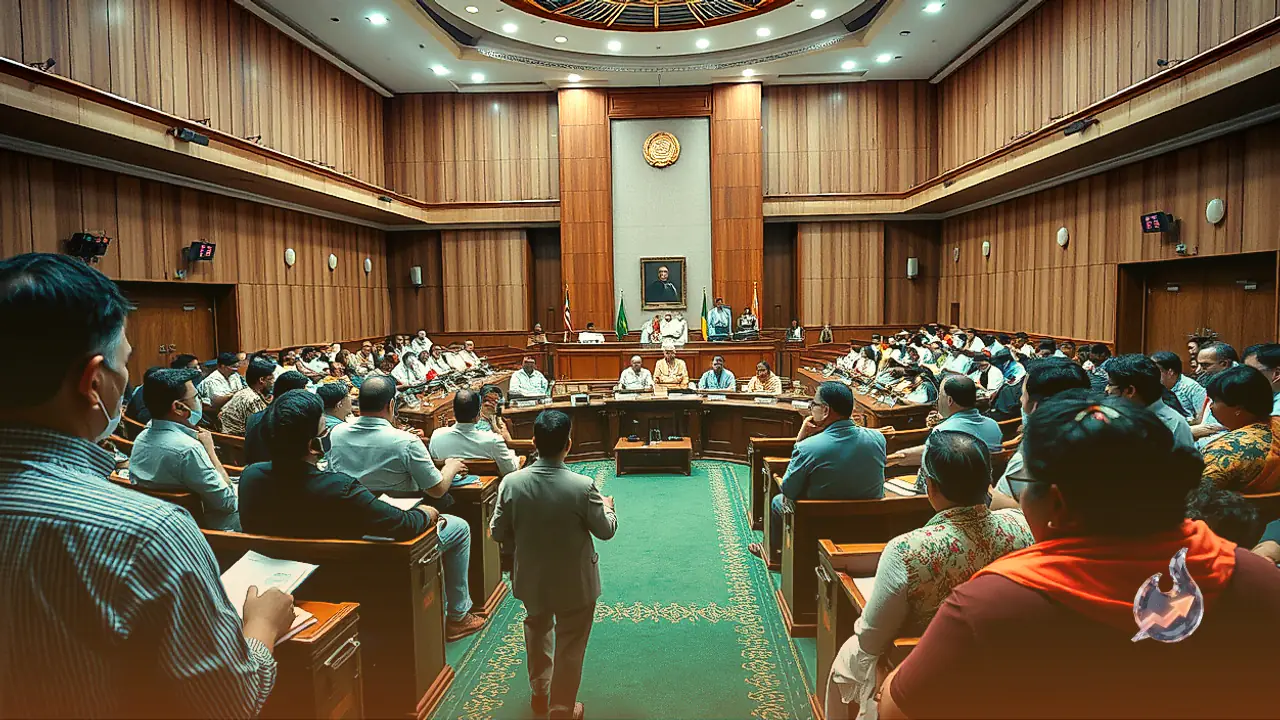

A sweeping reshuffle has reorganized the departmental standing committees of Parliament, shifting control across critical oversight panels. The structural overhaul was finalized on Saturday by Rajya Sabha Chairman CP Radhakrishnan and Lok Sabha Speaker Om Birla, who officially determined the roster of chairpersons across both houses. The realignment saw the Trinamool Congress lose its grip over two crucial parliamentary bodies, while multiple prominent leaders across ruling allies and opposition ranks maintained their leadership roles.
Changes in Commerce and Chemicals Panels
The leadership of the parliamentary committee overseeing commerce has moved to the Bharatiya Janata Party, with Sudhanshu Trivedi taking over as chairperson. He succeeds Trinamool Congress leader Dola Sen. Meanwhile, the stewardship of the committee on chemicals and fertilizers was assigned to Kakoli Ghosh Dastidar, representing a rebel faction of the Trinamool Congress, replacing her former colleague Kirti Azad.
Allies and Regional Parties Retain Control
Key leaders from the DMK continue to head their allocated panels without alteration. Tiruchi Siva retains the chairmanship of the industry committee, while Kanimozhi will continue directing the committee on food, consumer affairs, and public distribution. Crucial allies within the National Democratic Alliance, including the JDU, Shiv Sena, and TDP, preserved their influence across allocated sectors. Sanjay Kumar Jha of the JDU remains the head of the panel for transport, tourism, and culture, while Srirang Barne of the Shiv Sena stays in charge of the energy committee.
Opposition Figures Retain Leadership Roles
Despite shifts in select committees, several prominent opposition parliamentarians were reappointed to oversee key policy domains. Senior Congress lawmaker Shashi Tharoor remains the chairperson of the external affairs committee, and Charanjit Singh Channi continues his stewardship over agriculture. Mukul Wasnik of the Congress preserves his oversight of the committee handling education, women, children, youth, and sports. Samajwadi Party leader Ram Gopal Yadav continues to lead the health and family welfare committee, while Congress MP Saptagiri Sankar Ulaka retains charge of rural development and panchayati raj.
Home, Finance, and Strategic Portfolios
The ruling party maintains control over foundational governance and resource panels. Senior BJP lawmaker Radha Mohan Singh will preside over the defense committee. Former Union minister Anurag Thakur was reappointed to lead the parliamentary committee dealing with coal, mines, and steel. Bhartruhari Mahtab continues to steer the finance committee, while Radha Mohan Das Agrawal maintains his position as head of the home affairs committee. Rajiv Pratap Rudy preserves his leadership of the water resources panel.
Internal Succession Across Key Sectors
A few committees witnessed internal handovers among party colleagues. In the committee on personnel, public grievances, law, and justice, Sujeet Kumar took the helm from fellow party member Brij Lal. The railway committee saw Sudhir Gupta appointed as the new chairperson, taking over from CM Ramesh. Nishikant Dubey was reappointed as head of communications and information technology, while Medha Vishram Kulkarni from Maharashtra continues to oversee science and technology, environment, forests, and climate change.
Structure and Significance of Standing Committees
Departmentally related standing committees play a critical legislative role by examining the day-to-day work, policies, and expenditures of diverse government ministries. Under standard parliamentary arrangements, a total of 24 such departmental panels operate, each comprising 31 lawmakers. Among these, 21 members are chosen from the Lok Sabha and 10 from the Rajya Sabha. The tenure of these panels typically runs for a standard period of one year.