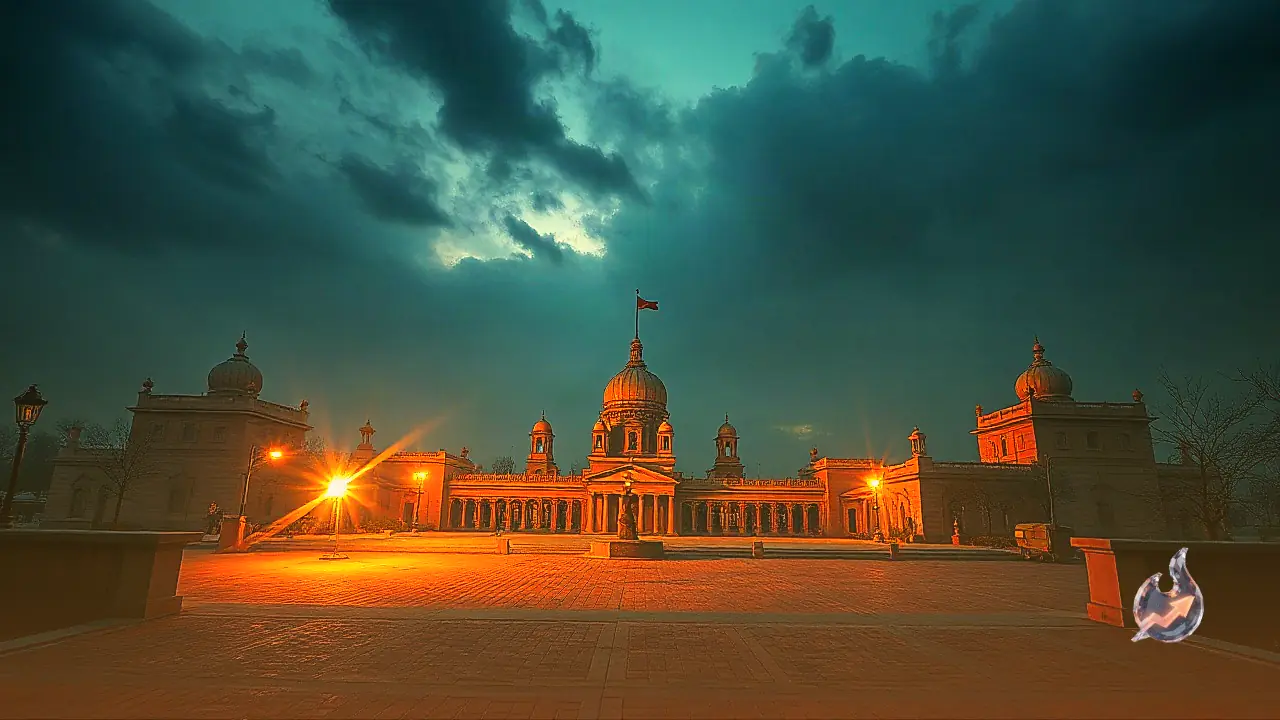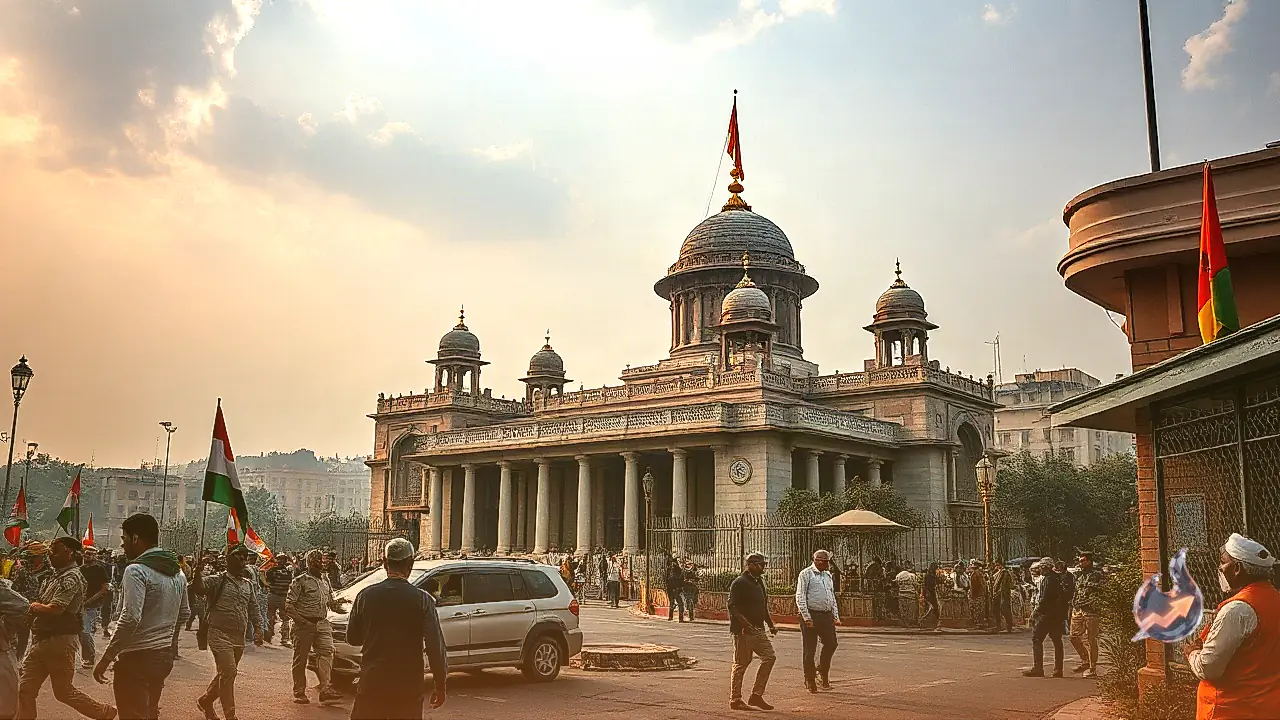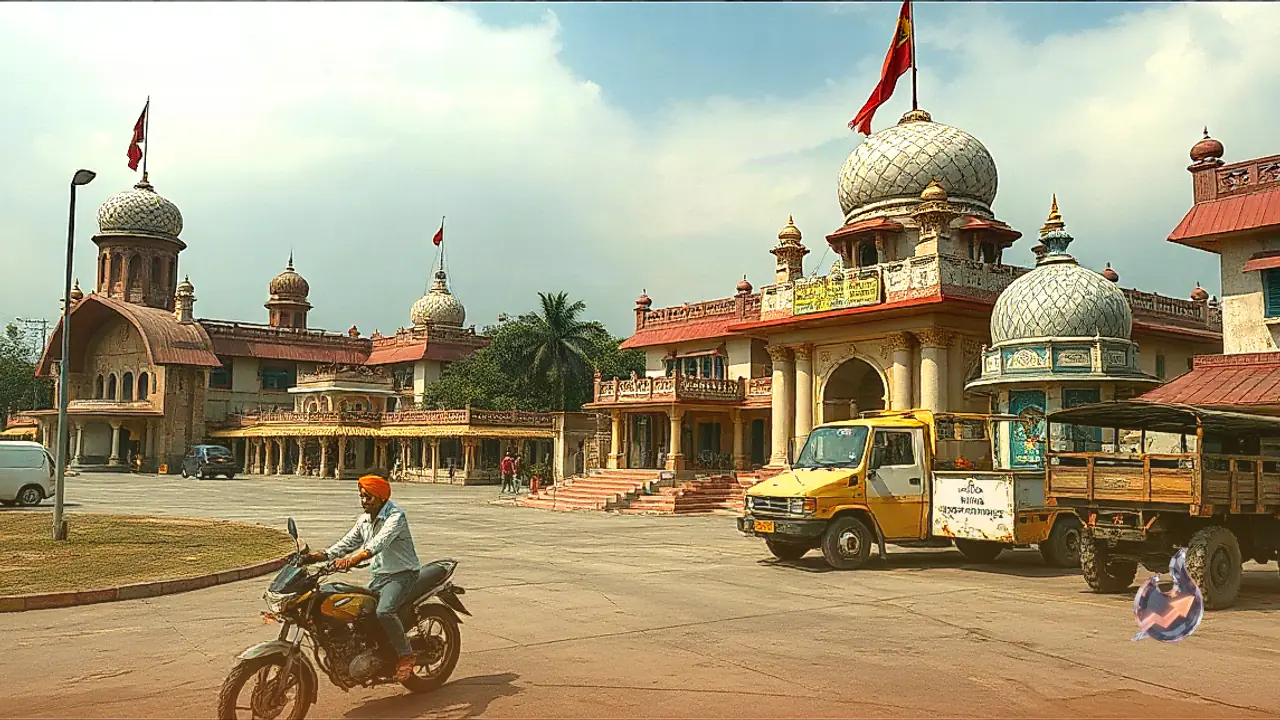





















In the heart of Punjab's Jalandhar district lies a striking paradox of immense wealth and profound emptiness. Dadowal, widely recognised as one of the most affluent villages in India, presents a landscape filled with multi-crore mansions that currently stand completely deserted. A walk through the settlement reveals infrastructure that rivals modern urban centres, featuring impeccably clean streets that give visitors a distinct city-like feeling. Thoughtfully placed benches sit outside the gates of these grand estates, yet there is rarely anyone sitting on them. Despite the massive financial investment poured into building these lavish homes, they remain devoid of human life, with thick layers of dust slowly accumulating inside the locked properties.
The Great Migration to the West
The primary reason behind this surreal environment is mass international migration. The vast majority of Dadowal's original residents have permanently relocated to nations such as the United States, Canada, and the United Kingdom. Driven by the pursuit of better economic opportunities, generations of villagers have established their lives abroad, leaving their ancestral lands behind. However, the emotional connection to their roots remains strong, manifesting in the construction of palatial houses that serve as symbols of their overseas success, even if they are only occupied for a few days out of the entire year.
Fragmented Families and Fleeting Reunions
The diaspora narrative is complex and multi-layered. While many have settled in North America and Britain, a significant number of individuals from the village have also built thriving careers in Italy, particularly within the construction industry. These expatriates frequently channel their substantial foreign earnings back to Dadowal to construct their dream homes. Unfortunately, this global dispersal means that members of a single family are often scattered across completely different continents. The sprawling mansions briefly come to life when relatives manage to coordinate their schedules, allowing them to spend just two to four days together before returning to their respective overseas lives.
The Hidden Pain of Prosperity
Beyond the impressive facades and the undeniable financial prosperity, there is a deep, unspoken sorrow echoing through the quiet streets. The relentless race to earn money in foreign lands has left the village practically bereft of its youth and vitality. For the few remaining elderly residents or extended family members, the grand houses offer little comfort. They are caught in a perpetual state of yearning, constantly waiting to reunite with their loved ones. This emotional toll of separation is a heavy burden, representing an invisible pain that the multi-crore architectural marvels simply cannot mask or alleviate.
Uppal Bhupa and Lambra: Echoes of Emptiness
The situation in Dadowal is not an isolated incident within the region. A nearly identical reality is visible in Uppal Bhupa, another village located in Jalandhar, where an astonishing ninety percent of the local population currently resides overseas. Lambra village shares the exact same demographic shift. In both of these settlements, sprawling, expensive residences dominate the skyline, yet they suffer from a severe lack of inhabitants. Finding caretakers to maintain these massive properties has become a significant challenge, leaving many of the luxurious homes vulnerable to the slow decay of neglect.
The Cinematic Fame of Uppal Bhupa
The unique visual character and the underlying migration culture of Uppal Bhupa eventually caught the attention of the Indian film industry. The village gained widespread recognition when several crucial scenes for the Bollywood movie 'Dunki', starring Shah Rukh Khan, were filmed on its streets. The movie's core theme, which revolves around the desperate lengths people go to in order to migrate abroad, perfectly mirrored the actual lived reality of the local residents, making the village an incredibly fitting backdrop for the cinematic narrative.
The Iconic Rooftop Water Tanks
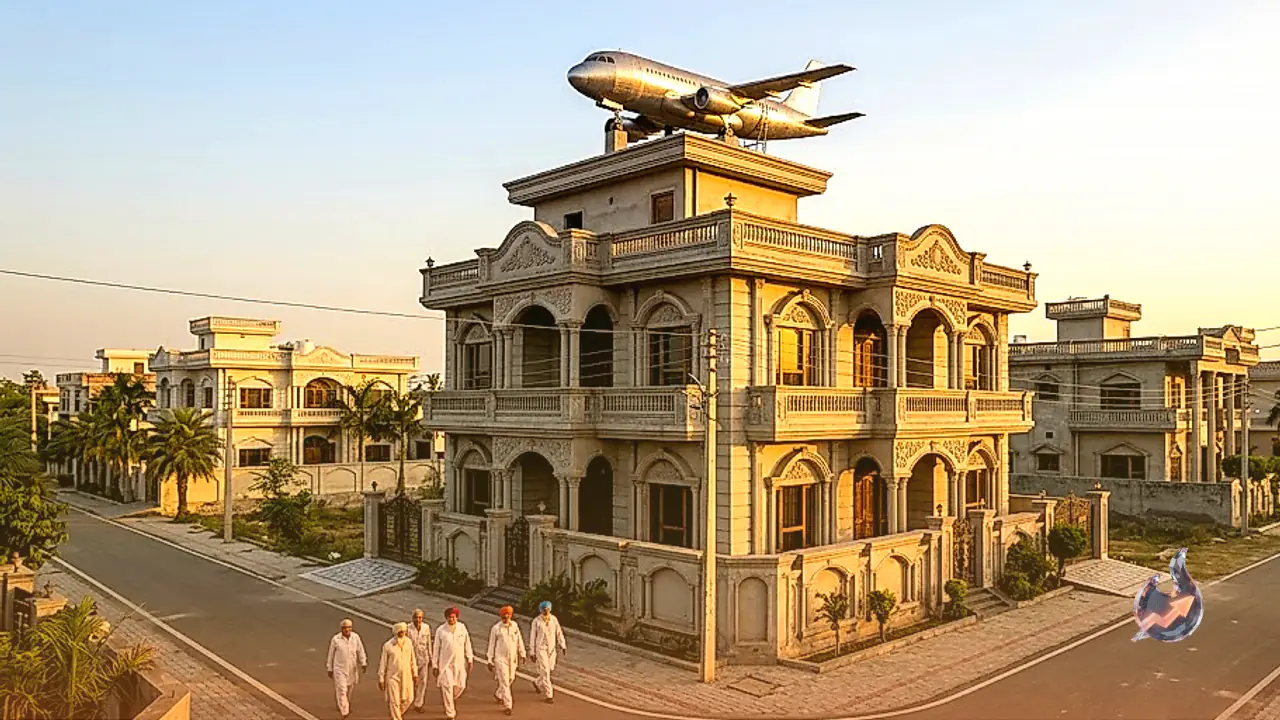
What truly sets Uppal Bhupa apart from other affluent settlements is its highly unusual architectural quirk. The skyline is dotted not with standard water tanks, but with elaborate, custom-built structures shaped like airplanes and massive ships. This fascinating trend, which officially began taking shape in 1995, has transformed the visual identity of the area. These distinct rooftop installations are far more than just decorative elements; they serve as a bold, public declaration. If a house features one of these unique tanks, it is an unmistakable symbol that at least one member of that household has successfully secured permanent residency in a foreign country.
The Architects of the 'Village of Tanks'
Because of this widespread phenomenon, both Uppal Bhupa and Lambra have earned the popular moniker 'Village of Tanks'. The inspiration behind these designs varies among the homeowners. Some commission them simply out of personal passion and hobby, while others proudly state that they have spent half of their lives travelling in airplanes, making the aviation theme deeply personal. The intricate designs are predominantly the handiwork of a local father-and-son architectural team, Ram Lubhaya Koul and Balwinder Koul, who have built a specialized niche in bringing these grand rooftop visions to life.
The Next Generation's Ambitions
Despite the lonely reality of the abandoned mansions, the desire to emigrate remains as strong as ever among the local youth. The new generation growing up in these villages shows no inclination to stay and occupy the sprawling ancestral homes. Instead, they are actively enrolled in various coaching institutes, diligently preparing for language proficiency exams and visa interviews. Their ultimate ambition mirrors that of their predecessors: to secure a pathway out of India and permanently settle in destinations like Australia, Canada, and the United Kingdom, ensuring that the cycle of migration and empty mansions will continue indefinitely.