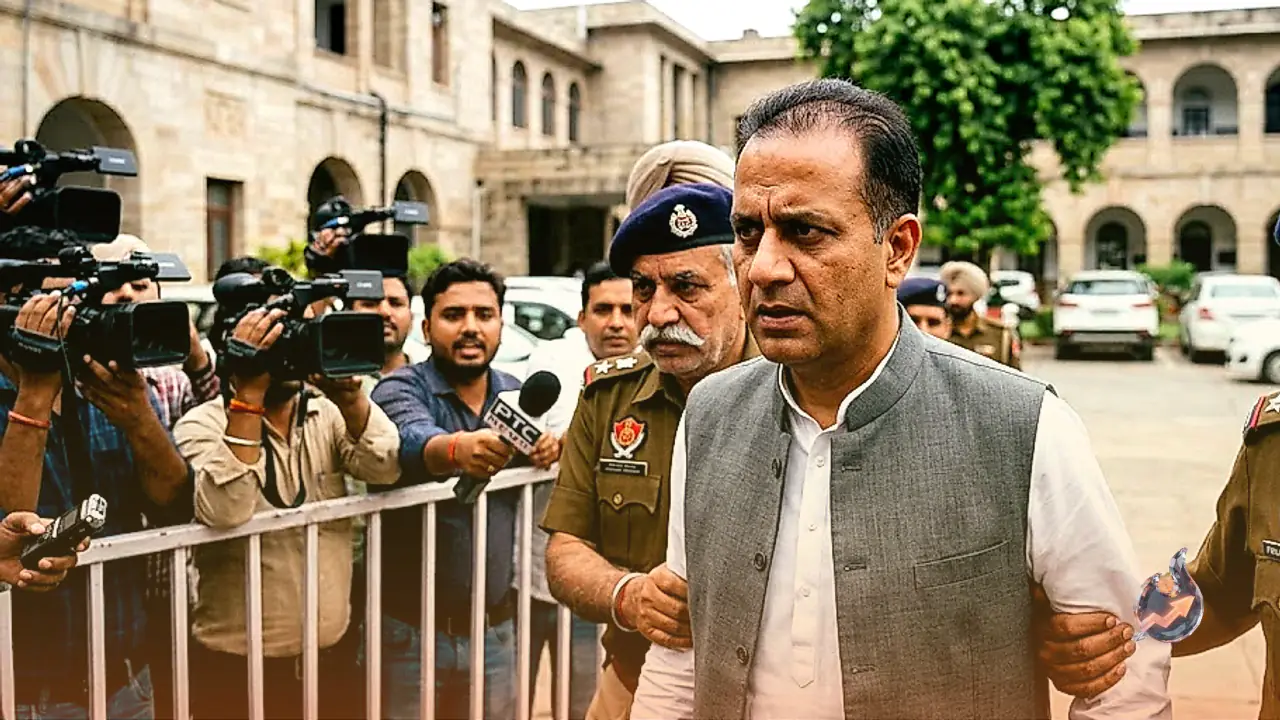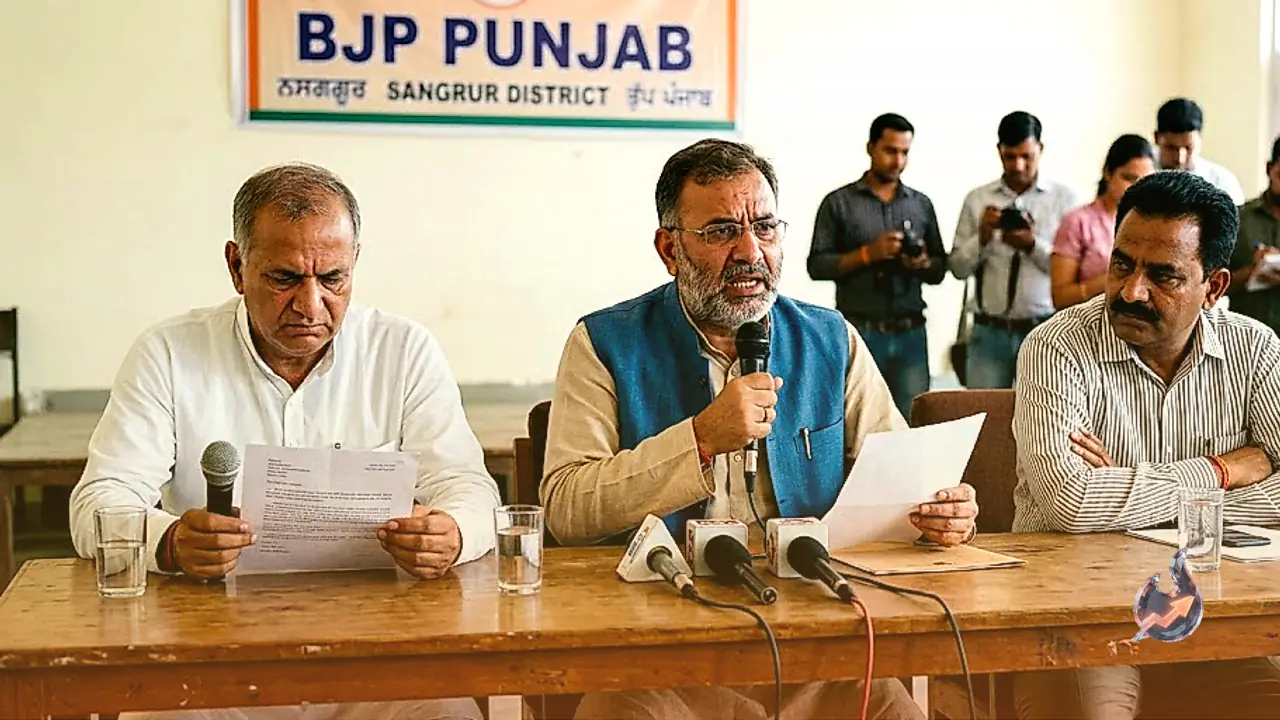





















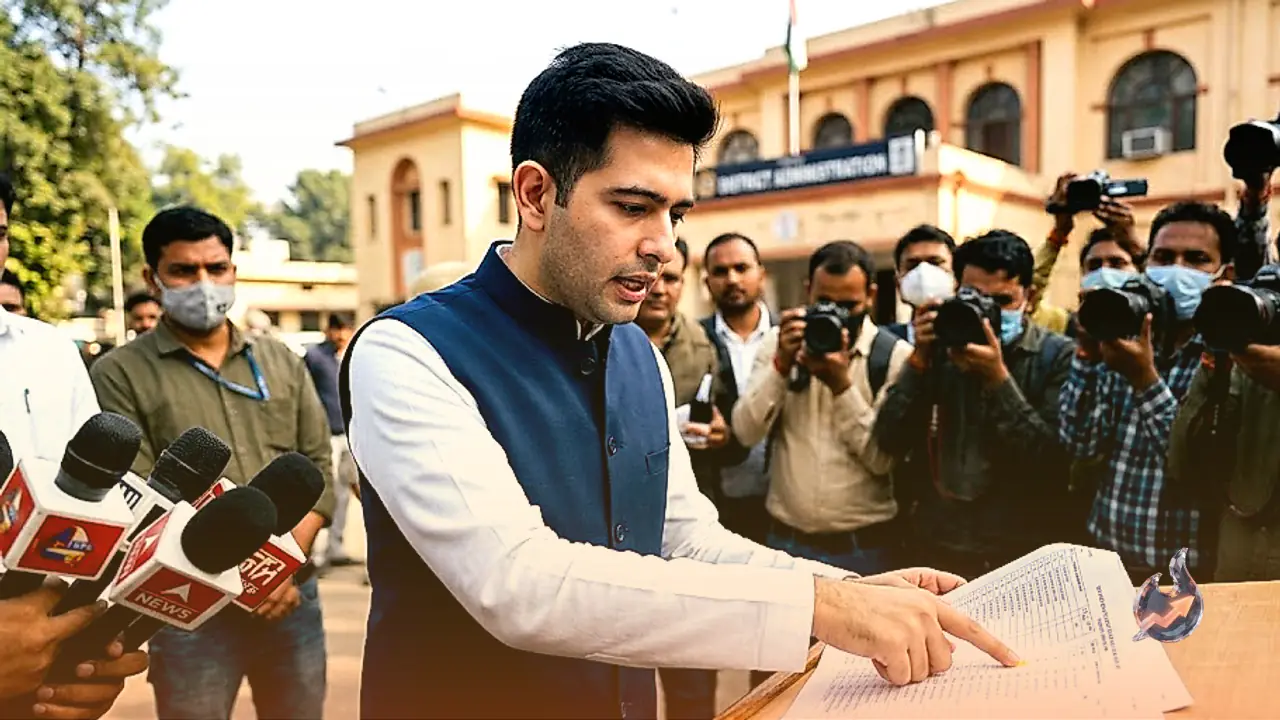

A major political controversy has erupted in Punjab following the publication of the draft electoral roll for the ongoing voter list revision drive. Bharatiya Janata Party (BJP) Rajya Sabha MP Raghav Chadha found his name listed under the 'permanently shifted' category in the official records of the Election Commission of India for his constituency in Mohali. Rejecting the possibility of a routine administrative oversight or clerical typo, Chadha has launched a scathing attack on the ruling Aam Aadmi Party (AAP) government in Punjab, alleging deliberate political vendetta. Conversely, AAP has strongly denied the allegations, pointing out that election procedures are solely governed by the autonomous Election Commission.
Voter Enrollment Status in Mohali and Draft List Revisions
Addressing the matter through a detailed statement on the social media platform X, Raghav Chadha clarified that he remains a sitting Rajya Sabha Member of Parliament representing the state of Punjab with his voter registration established in Mohali. He highlighted that he actively cast his vote in Mohali during the 2024 Lok Sabha elections. Despite this documented voting history, the newly released draft electoral roll categorized his status as 'shifted'.
Chadha emphasized that the current document is merely a draft electoral roll and does not represent the finalized voter registry. To address the discrepancy, he has initiated the official claims and objections procedure provided by the Election Commission under the Special Intensive Revision (SIR) protocol. He assured voters that he is taking all necessary statutory steps to restore his enrollment prior to the publication of the final electoral roll, which is scheduled for October 2026.
Allegations Against State Bureaucracy and Executive Pressure
In his statement, the BJP lawmaker directed serious allegations toward the role played by state government personnel assigned to election duty. Chadha asserted that the entire chain of processing—from tagging a voter as 'shifted' to field verification and ultimate digital entry—is carried out by officials belonging to the Punjab state administration. He questioned which specific official flagged his status, who performed the verification, and which supervisor authorized the removal entry.
Chadha argued that although state government employees operate under the supervision of the Election Commission during election drives, their underlying career progression, transfers, and postings remain strictly under the control of the Punjab state government. This institutional arrangement, he claimed, leaves officers vulnerable to political influence and pressure from the ruling dispensation. Chadha further claimed that ever since his exit from the Aam Aadmi Party, the party leadership has pursued political retaliation against him using state police and administrative machinery. He stated that other MPs who left AAP to join the BJP have faced similar targetings in Punjab, portraying the voter list issue as a continuation of that trend.
Invocations of SIR Paragraph 4(d) Protected List Guidelines
Elaborating on procedural rules, Raghav Chadha cited Paragraph 4(d) of the Election Commission's comprehensive Special Intensive Revision (SIR) guidelines. According to Chadha, this specific provision mandates that sitting Members of Parliament, Members of Legislative Assemblies, members of the judiciary, and prominent public figures should be retained under a 'protected list' status within draft electoral rolls. This safeguard is designed to ensure that public representatives are not arbitrarily disenfranchised and are given adequate time during the claims and objections window to produce supporting paperwork.
Chadha maintained that as a sitting Rajya Sabha MP from Punjab, his name ought to have been preserved on the draft roll under Paragraph 4(d) even if an administrative flag had been raised. He accused the local machinery of intentionally disregarding explicit Election Commission directives. Concluding his statement, Chadha remarked that while AAP holds power in Punjab, the state's draft voter list cannot be treated as personal property by the ruling party.
AAP Rebuttal and Election Commission Autonomy Arguments
The Aam Aadmi Party responded promptly to the allegations, dismissing Chadha's claims as an attempt to shift blame. In an official post on X, AAP referenced reports from a national English daily alleging that Chadha was found attempting to secure a backdated voter registration in Delhi. The party claimed that Chadha is now leveling unfounded accusations against the Punjab government to deflect from the situation.
AAP highlighted that the Special Intensive Revision process is executed independently by the Election Commission of India, not state governments. Consequently, state administrations possess no operational authority to determine whose names are added to or removed from electoral rolls. Furthermore, AAP pointed out that public records demonstrate Chadha's primary residence is in Delhi rather than Punjab. The party argued that if Chadha no longer resides in Punjab, managing or updating his voter registration was his personal obligation, meaning neither AAP nor the Punjab government can be held responsible for changes made in the draft roll.