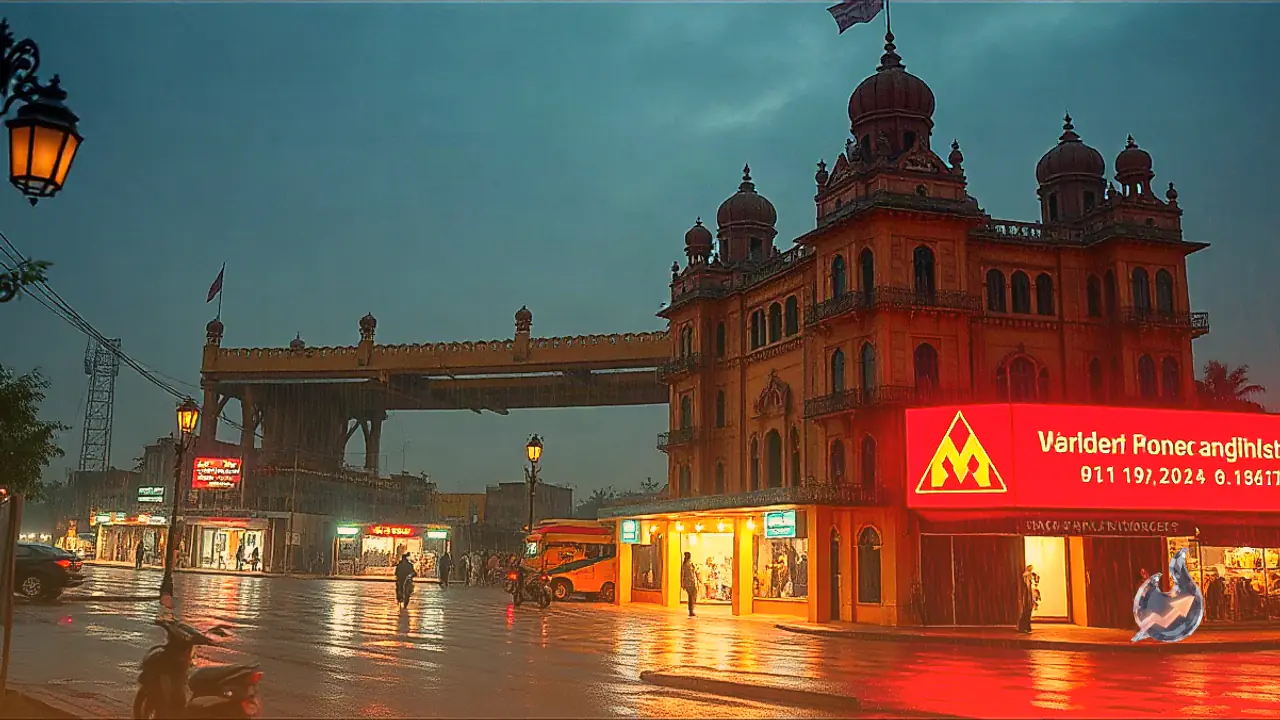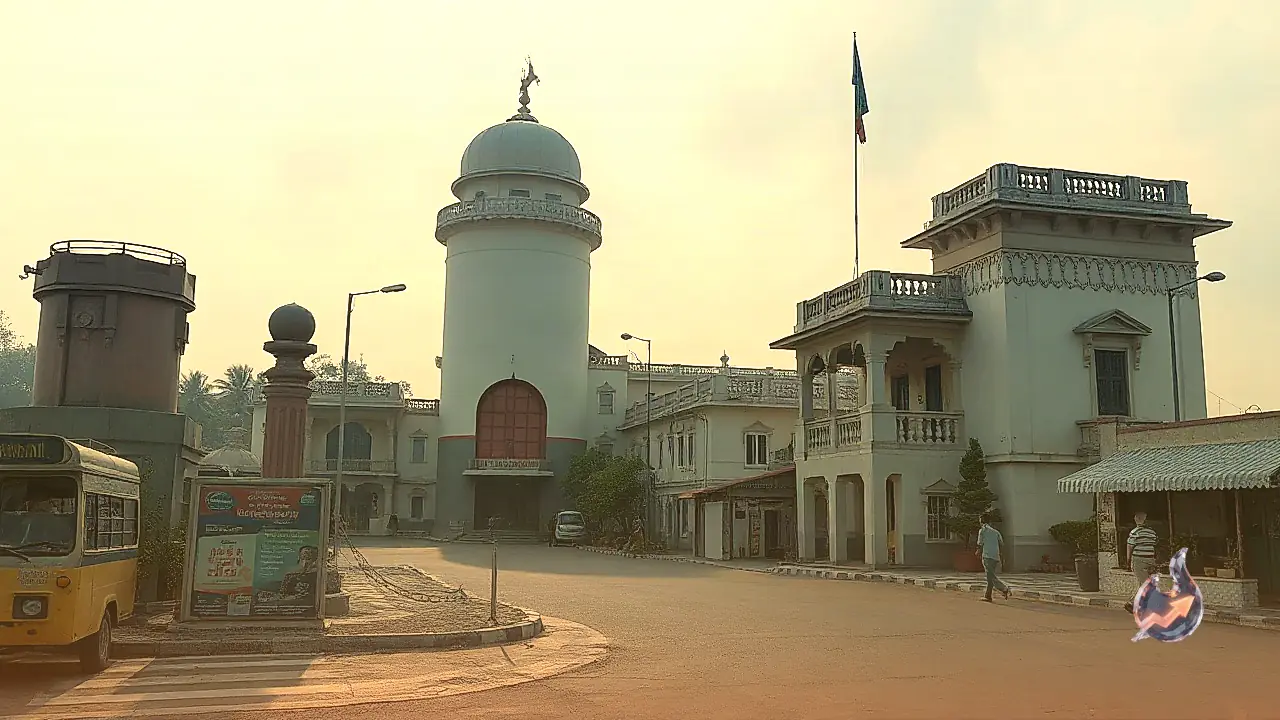
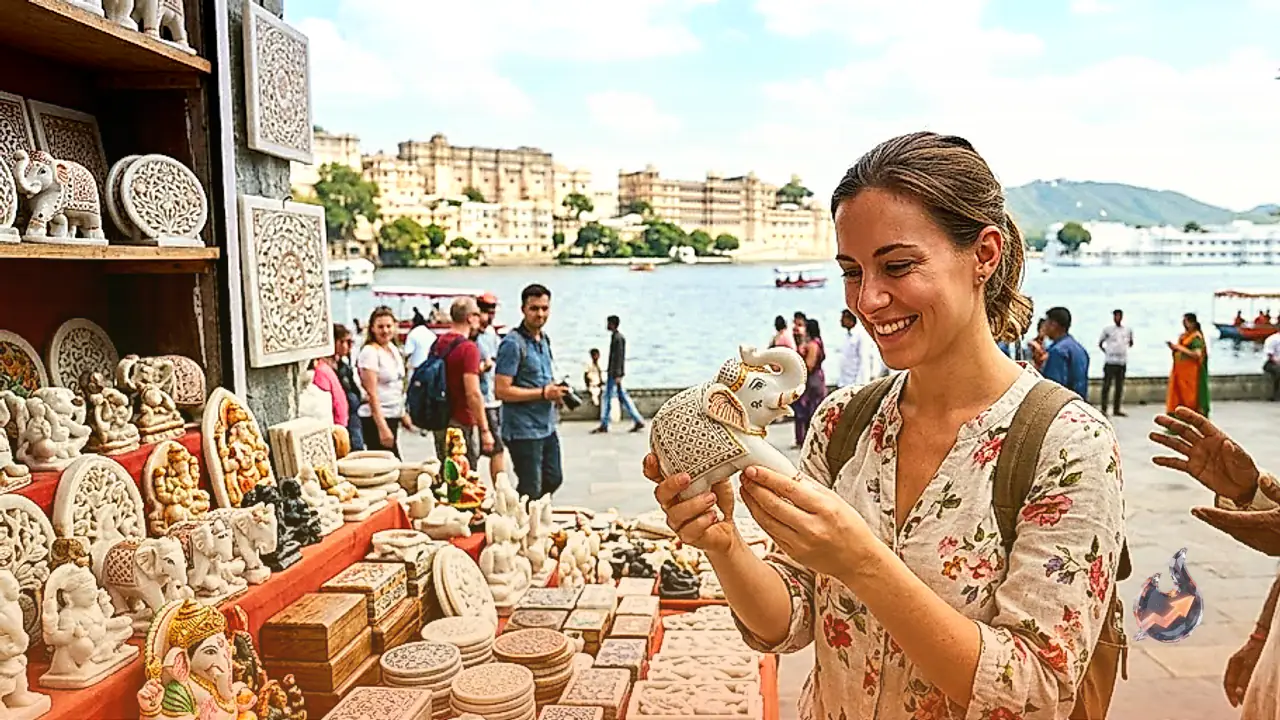

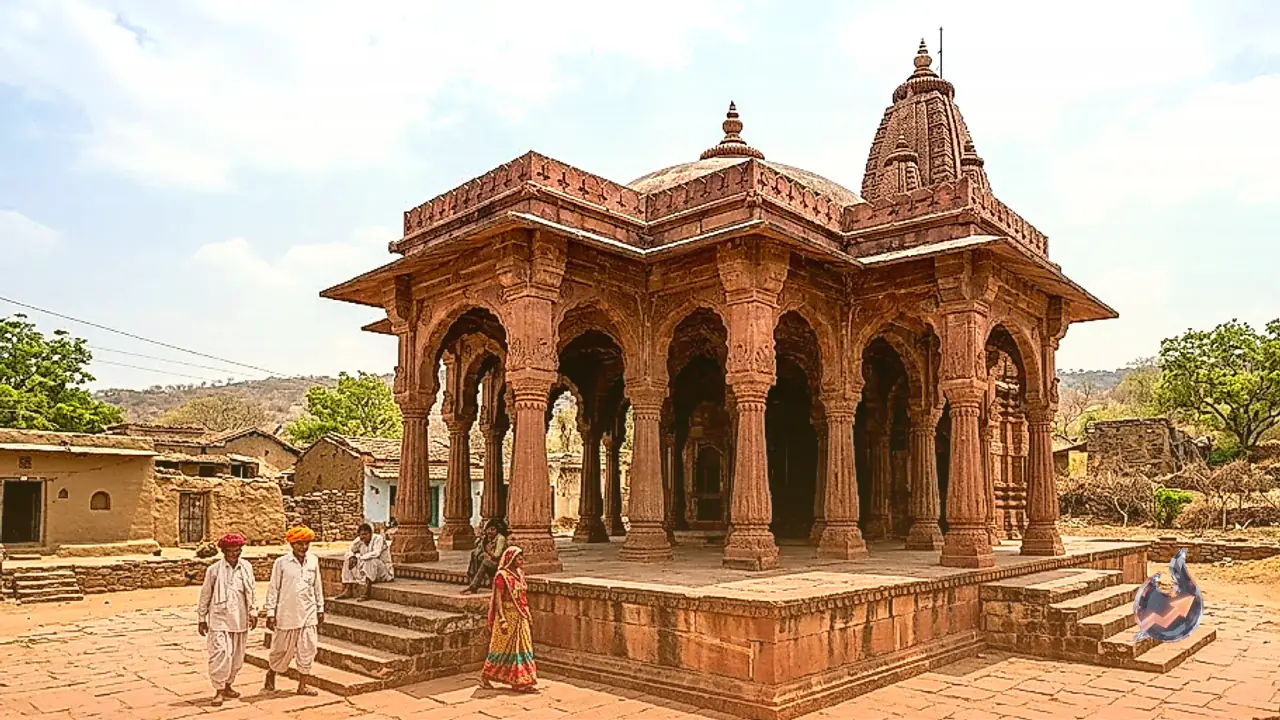

















Located in the Pali district of Rajasthan, the Jawai region has earned global renown for its vibrant wildlife, leopard safaris, and stunning natural landscapes. Often affectionately referred to as mini Africa, this unique destination is celebrated for the harmonious coexistence between leopards and local residents, drawing everyday travelers alongside Bollywood celebrities, prominent industrialists, and international VIPs. Watching the sunset behind the Aravalli hills while standing atop the earthen embankment of the Jawai Dam remains a key highlight on the itinerary of nearly every visitor.
Approaching Peak Tourist Season Brings Concerns
With the arrival of October, the region is bracing for its busiest tourism season of the year. In the coming weeks, thousands of domestic and foreign travelers are expected to arrive daily, pushing local resorts, hotels, and safari vehicle bookings to near capacity. However, a pressing concern looms over whether these incoming guests will be greeted by overgrown bushes and deteriorating pathways along the dam's main route.
Safety Hazards on the Narrow Embankment
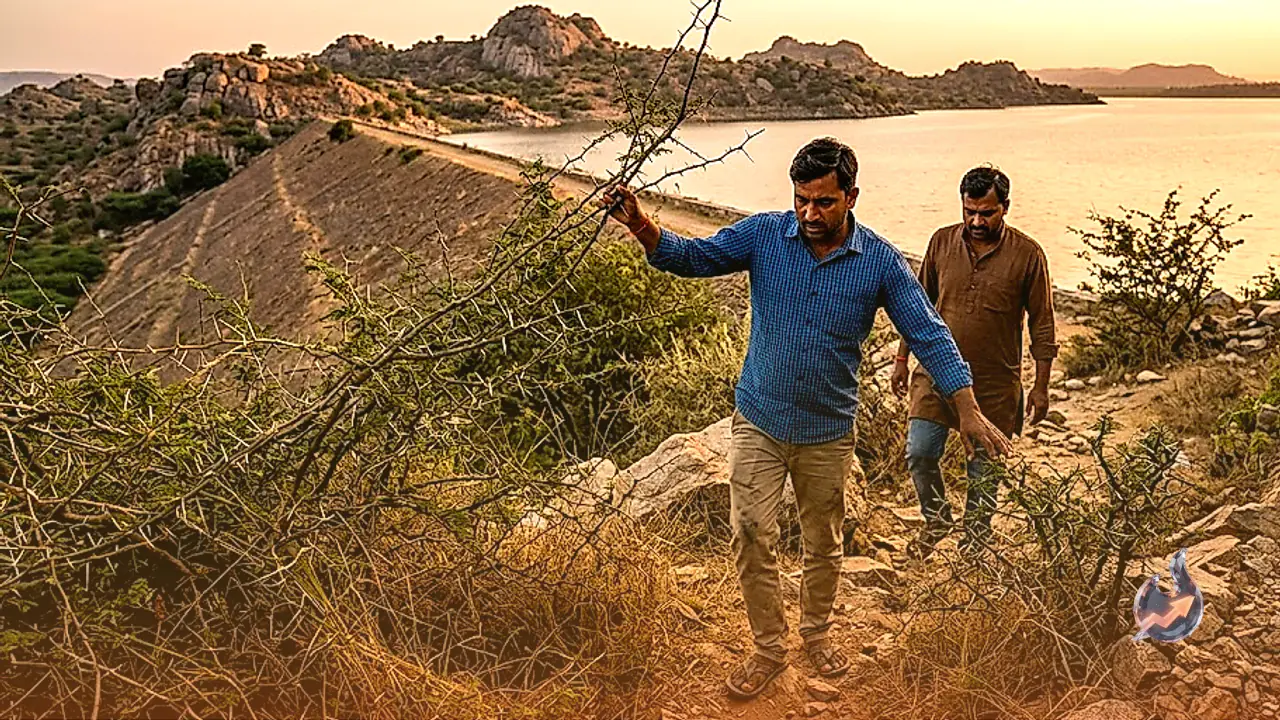
The earthen pathway of the dam is inherently narrow, and dense thickets of thorn bushes lining both sides have rendered the route increasingly hazardous. Sharp bends obscure oncoming traffic completely, forcing drivers to navigate tight spaces while dodging sharp thorns that frequently scratch vehicles and tear clothing. The greatest danger is faced by visitors riding in open-top safari jeeps, particularly children, as low-hanging thorny branches pose a direct threat to their faces and eyes, while evasive maneuvers risk slipping toward the water's edge.
Administration Passivity Risks Tourism Reputation
It remains deeply concerning that local district authorities and the water resources department appear fully aware of the deteriorating conditions yet take no remedial action. By failing to clear the obstructing brush or repair the pathway prior to the influx of visitors, authorities risk leaving tourists with a deeply negative impression. Such sustained neglect threatens to tarnish the broader reputation of regional hospitality.