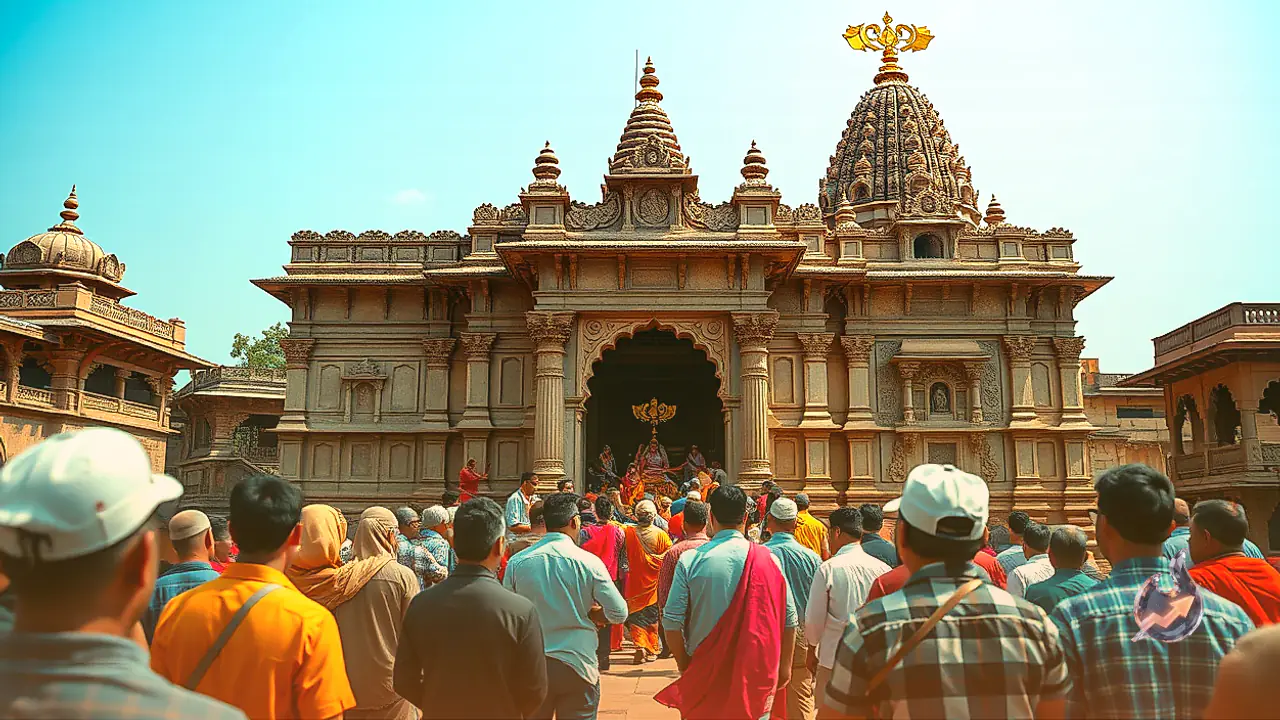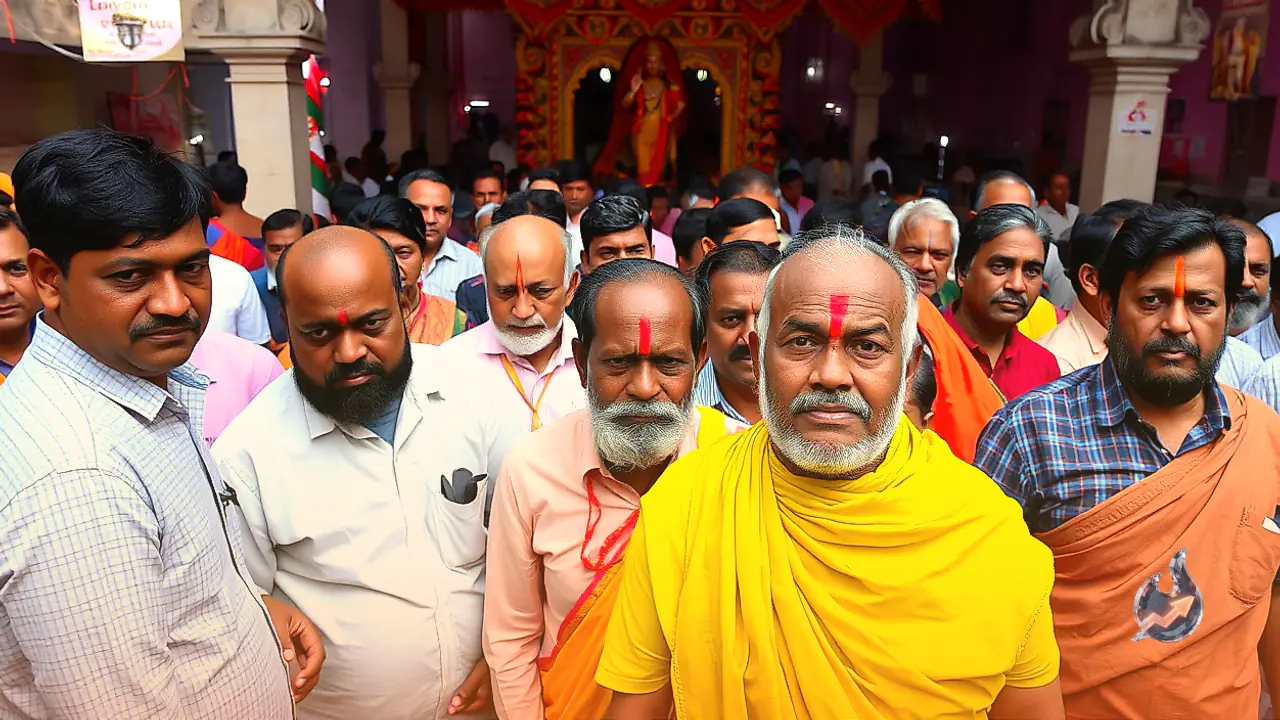


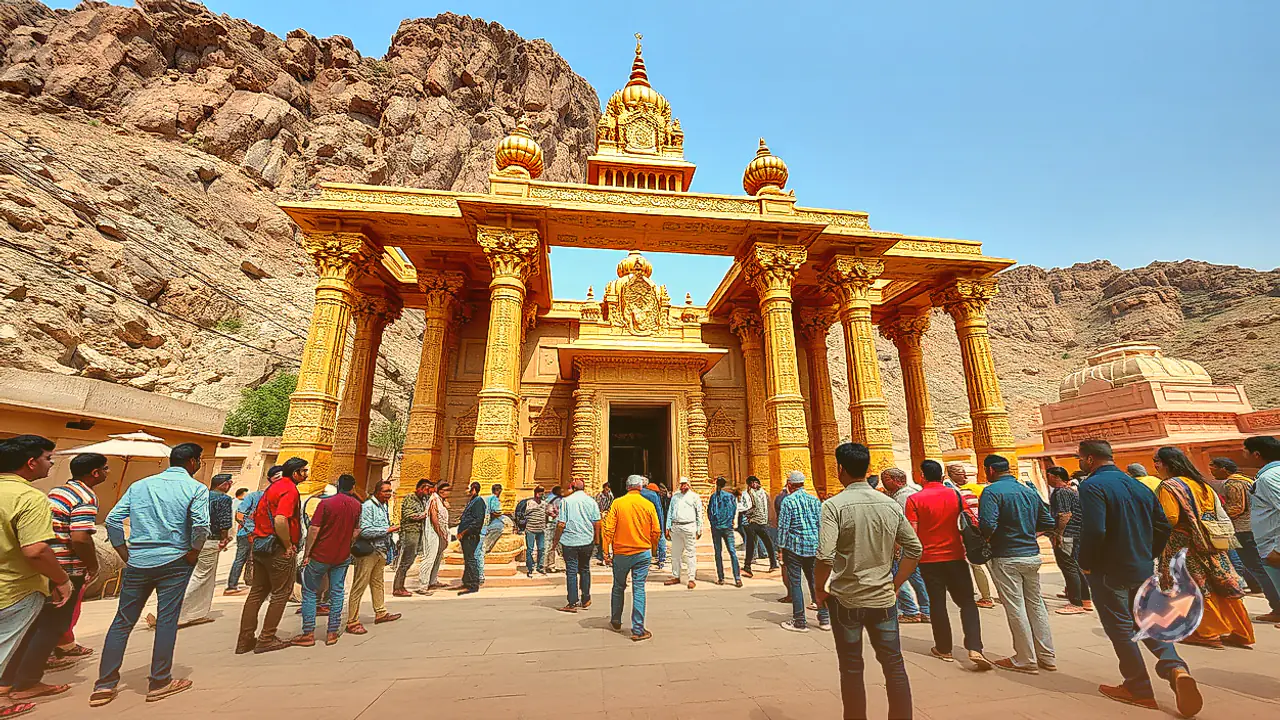
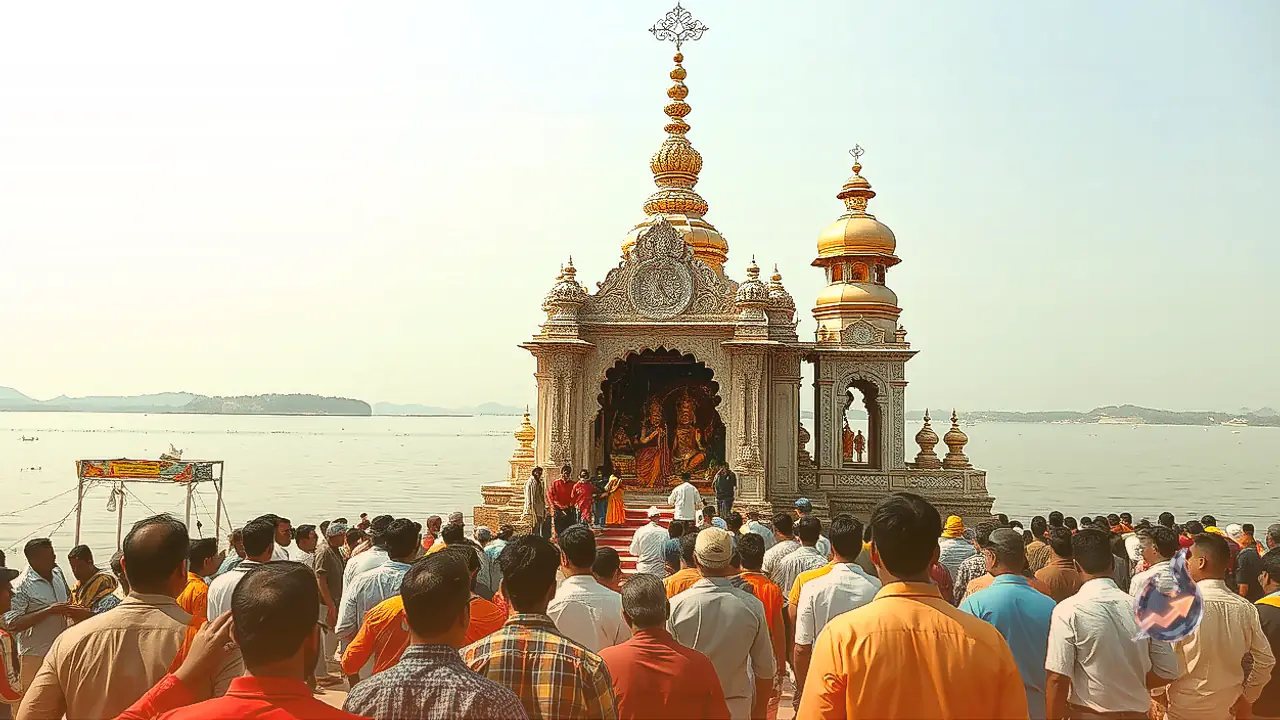















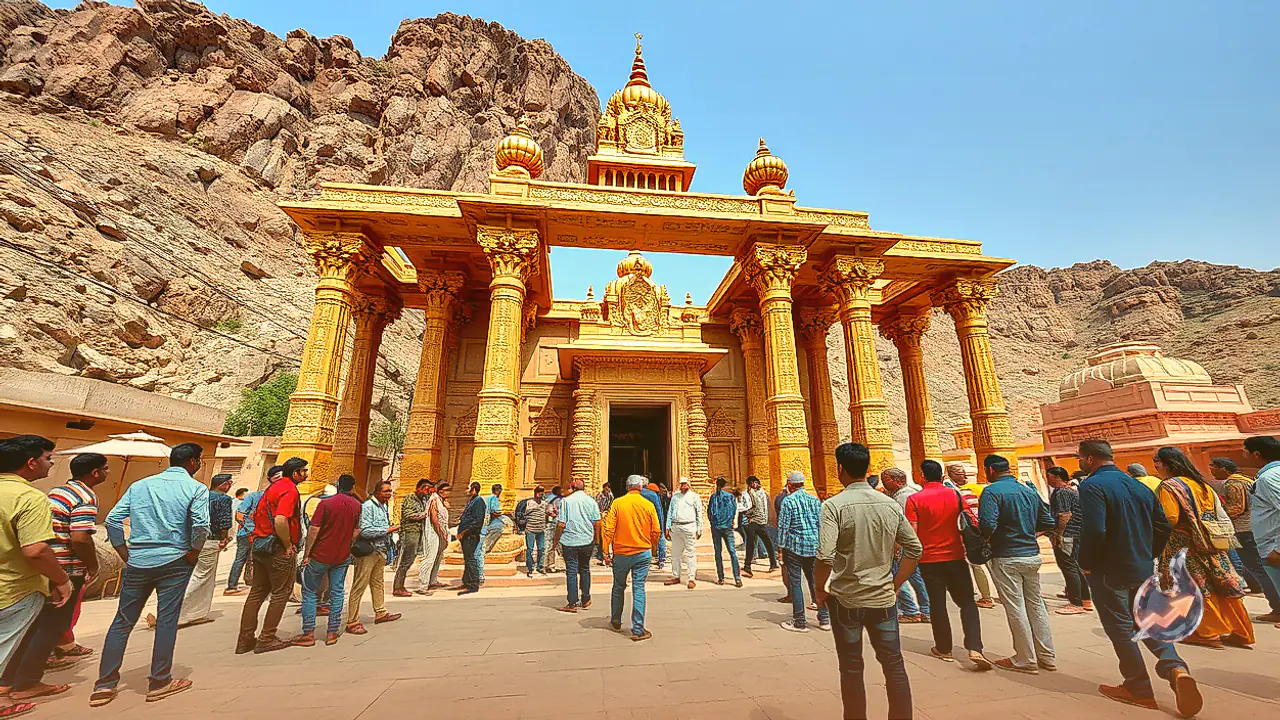

Nestled in the picturesque foothills of the Aravalli range in Sikar district, the historic Digambar Jain temple of Rewasa village has unveiled a breathtaking golden transformation that enhances its centuries-old architectural grandeur. The sanctum, interior walls, and iconic carved stone pillars of this sacred shrine now gleam with elaborate gold detailing. As natural daylight and ambient lighting wash over the intricate carvings, the entire interior radiates with a brilliant luminescence reminiscent of a golden pavilion. Visitors stepping inside are immediately drawn to the harmony of sculptural mastery and serene devotional ambiance.
A Two-and-a-Half-Year Restoration Crafted With Pure Gold
Transforming the ancient structure into a gleaming sanctuary was a meticulous endeavor requiring immense patience and artisanal skill. The project took approximately two and a half years to complete, with a dedicated team of 12 to 13 master craftsmen working continuously each day on the walls and pillars. The objective was to highlight and elevate the centuries-old stonework without altering its original heritage. Demonstrating deep community involvement, 108 individual members of the community stepped forward to oversee the restoration and embellishment of one pillar each, resulting in extraordinary detail across every section.
Sunil Barjatya provided details regarding the techniques behind this architectural enhancement. He explained that the gold work was commissioned specifically to accentuate the relief carvings and bring out their intricate patterns with greater clarity. Craftsmen utilized an exclusive compound formulated by blending pure gold with a specialized chemical preparation. When light hits these gilded embellishments, every minute contour and decorative line becomes distinctly visible. Whether viewed in soft daylight or under modern illumination systems, the reflective golden aura remains a centerpiece of reverence and admiration.
The Enduring Mystery of Counting the 108 Pillars
Beyond its visual elegance, the Rewasa temple continues to intrigue scholars and pilgrims through a longstanding architectural mystery concerning its 108 stone pillars. While architectural records establish that the entire edifice rests upon 108 pillars, counting them accurately has proven notoriously difficult. Visitors and locals who attempt to count the columns systematically often report arriving at different totals on every attempt. This curious phenomenon of conflicting tallies has transformed a visit to the temple into both a spiritual pilgrimage and an intriguing exercise in observation.
Foundational History Dating to Vikram Samvat 1205
The spiritual heritage of the Rewasa shrine is as significant as its visual opulence. Historical records date the construction of this grand temple to Veer Nirvan Samvat 1674, which corresponds to Vikram Samvat 1205. The primary sanctum enshrines the sacred idol of Lord Adinath, the first Jain Tirthankara, radiating tranquility. Additionally, the temple complex houses a revered miraculous idol of the fifth Tirthankara, Lord Sumatinath, which was historically unearthed from beneath the earth. Pilgrims hold this subterranean discovery in deep reverence, viewing the site as a confluence of ancient legend and architectural heritage.
Sacred Relics at the Adjacent Nasiyan Ji Shrine
The religious sanctity of the location extends to the adjacent Nasiyan Ji complex, another vital stop for visiting pilgrims. This sanctum houses a peaceful Padmasana posture idol of Lord Chandraprabhu as its principal deity. Flanking the main altar are imposing, approximately seven-foot-tall seated statues of Lord Shantinath and Sahastraphani Parshvanath. Devotees also have the privilege of offering prayers before representations of the entire Chaubisi, the 24 Tirthankaras. Together, these sanctuaries establish Rewasa not merely as an isolated temple, but as an expansive center celebrating Jain religious history and temple architecture.