




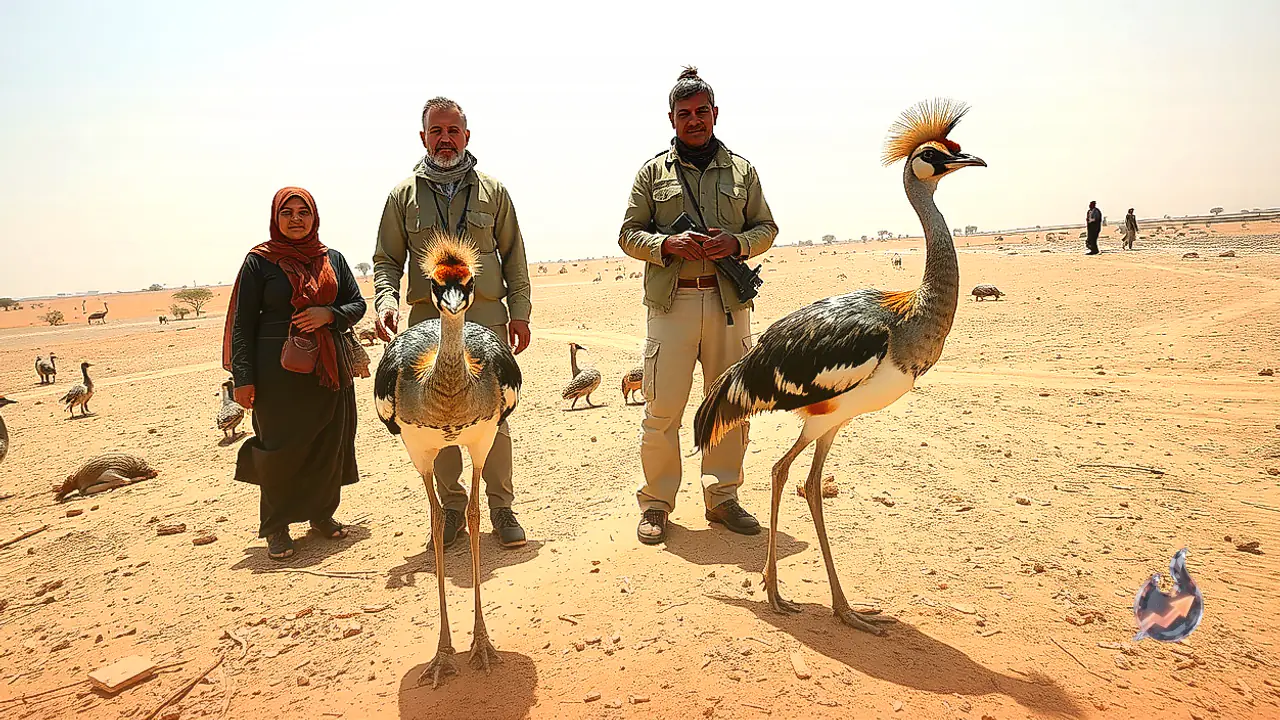














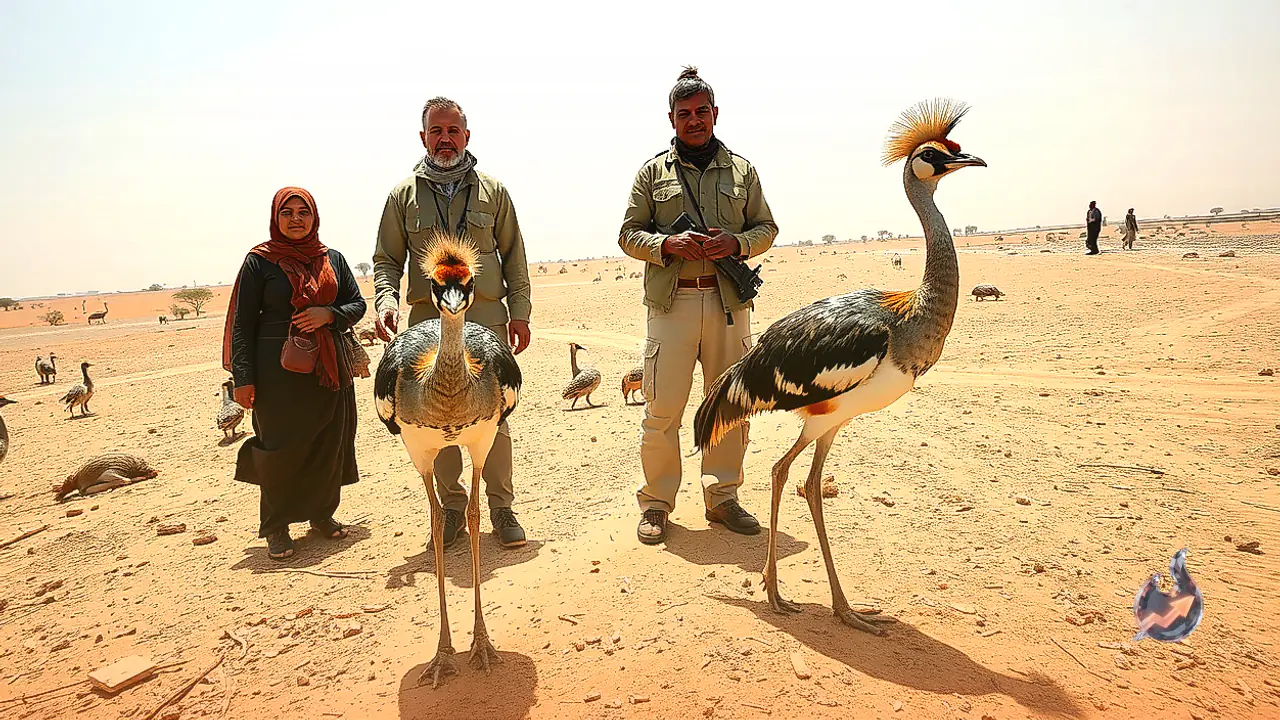

A historic milestone has been accomplished in the conservation of the critically endangered Great Indian Bustard within the Thar desert in Rajasthan's Jaisalmer district. For the very first time, two bustards reared inside a specialized captive breeding center were freed into their native wild habitat within the Sudasari range of the Desert National Park. Both birds have been fitted with advanced GPS tags, enabling researchers from the Wildlife Institute of India to continuously track their movements across the wilderness. Scientists will conduct round-the-clock surveillance of their flight paths, foraging habits, territory selection, and resting grounds. A central priority of this monitoring operation is to safeguard these birds from the grave hazards posed by overhead high-tension electricity lines and natural predators roaming the desert.
Extensive Two to Three Month Preparation Inside Re-wilding Tunnels
This initiative represents the first instance where Great Indian Bustards raised through captive breeding protocols have been directly returned to the wild following a structured re-wilding regimen. Prior to their release, the two birds spent approximately 2 to 3 months inside specialized re-wilding tunnels designed to emulate authentic desert surroundings. During this phase, they practiced flying in open spaces, hunting for natural nourishment independently, and staying vigilant against outdoor environmental challenges. It was only after extensive behavioural evaluations and comprehensive medical screenings confirmed that both individuals were completely healthy and self-sufficient that specialists approved their official release into the open wilderness.
Union Minister Bhupender Yadav and Top Wildlife Officials Witness Release
Union Minister for Environment, Forest and Climate Change Bhupender Yadav was physically present to oversee this historic release operation. He was joined by Minister of State for Forests Sanjay Sharma and Director General of Forests Santosh Tiwari, alongside a delegation of senior officials from the state forest department and the Wildlife Institute of India. Forest administrators and conservation biologists described the event as a pivotal breakthrough in safeguarding this rare avian species. The telemetry data beamed from the GPS transmitters will provide invaluable empirical evidence on how captive-reared bustards acclimatize to the elements, select roosting sites, and navigate natural rangelands.
Decade-Long Scientific Commitment Bears Fruit in Rajasthan
This conservation achievement is the culmination of roughly 10 years of persistent fieldwork and research led jointly by the Rajasthan Forest Department and the Wildlife Institute of India. Over the past decade, specialists methodically managed every stage of the recovery plan, from artificial incubation and meticulous chick rearing to flight conditioning inside re-wilding enclosures and final wild reintroduction. Tracking the daily movements of these bustards will also illuminate critical danger zones around high-voltage transmission grids, informing broader mitigation policies. The flight of these two birds across the Thar desert marks the opening of an encouraging new chapter in India's biodiversity preservation efforts.