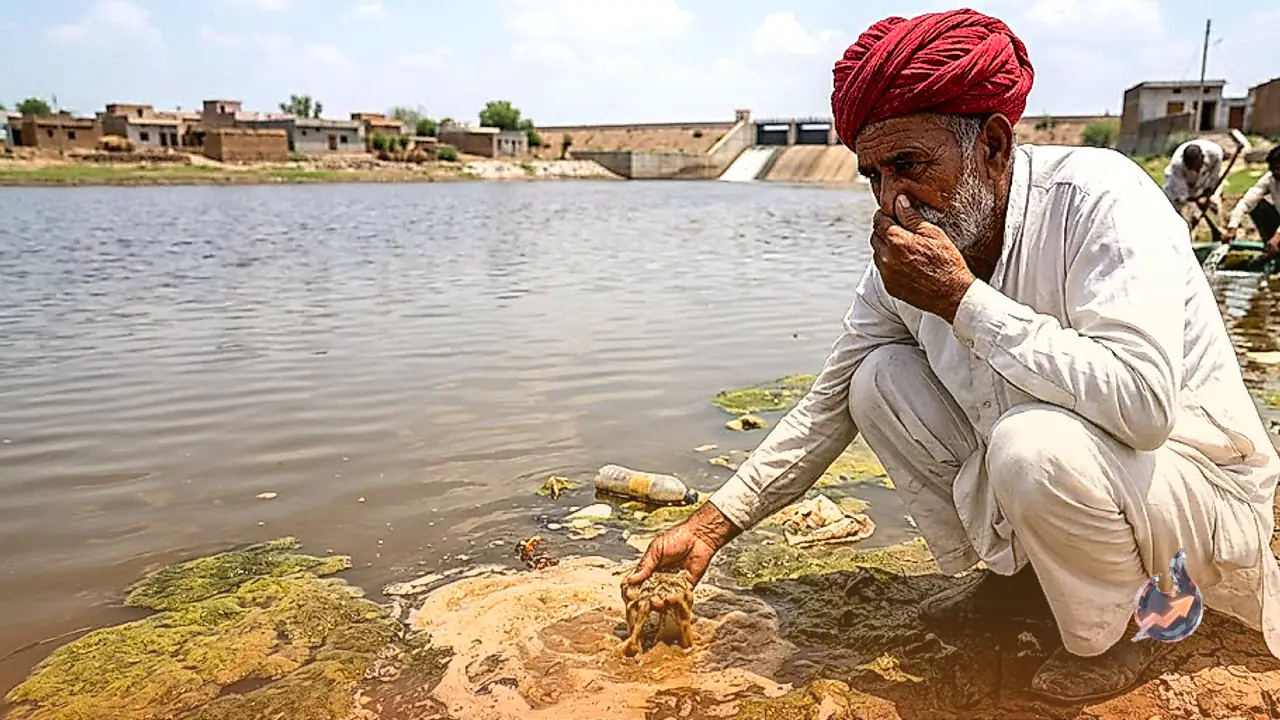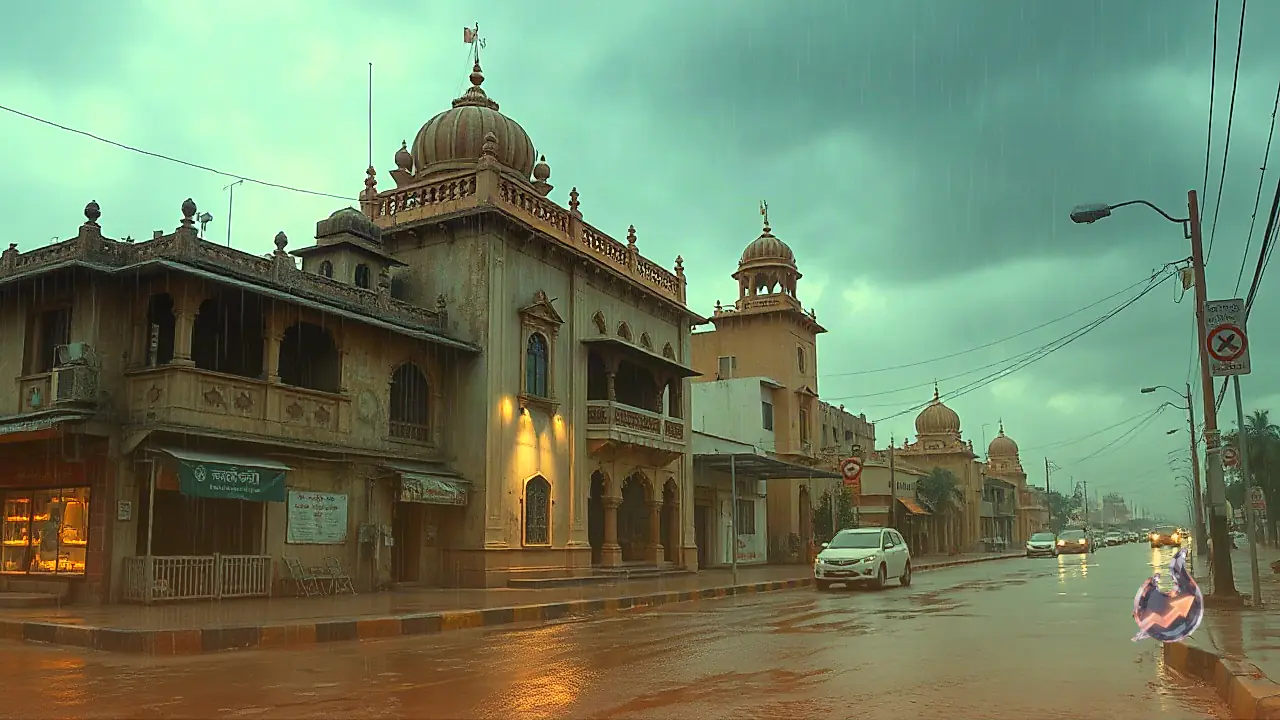




















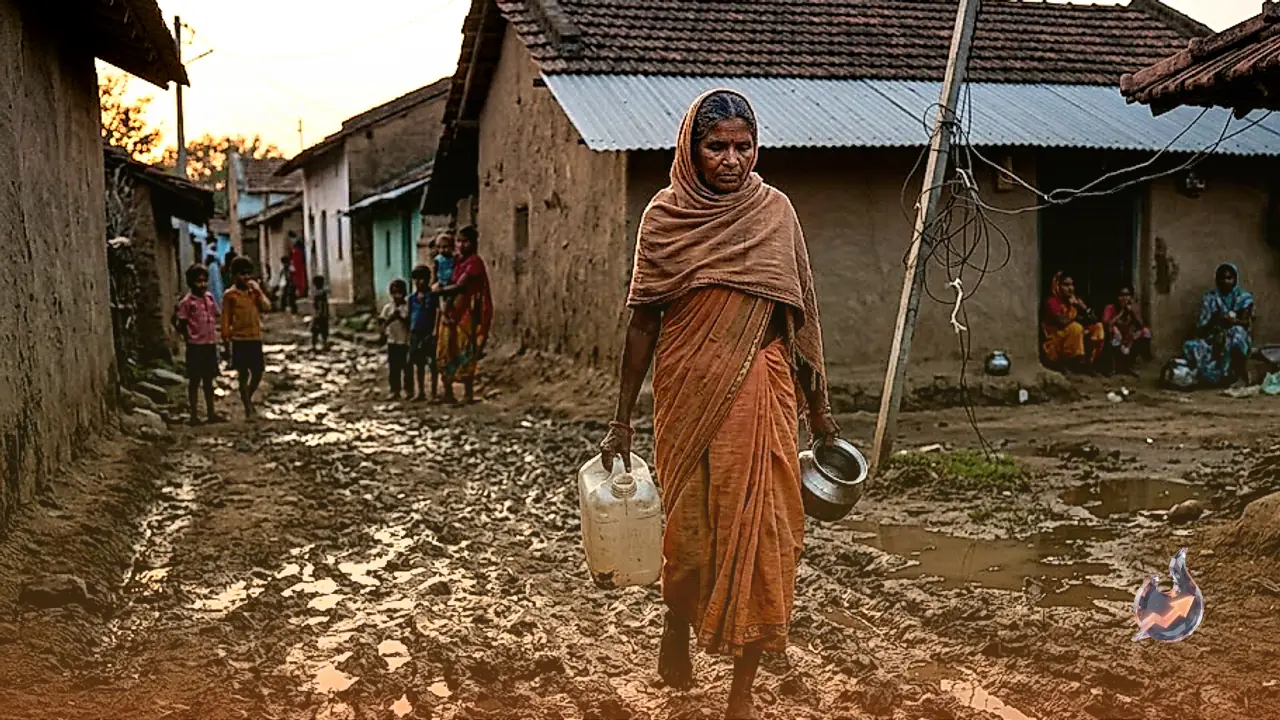

Even though it falls within the urban limits of the Karauli district headquarters, Koli Basti in Ward Number 17 remains deprived of basic civic amenities. Despite being located right in the middle of the city, the neighborhood lacks a proper paved road. Residents are forced to navigate through unpaved, mud-filled pathways on a daily basis. The situation deteriorates severely during the monsoon season when these tracks turn into pools of thick mud.
Deep Potholes and Daily Commuting Struggles
The main pathways running through the settlement are marred by numerous deep potholes. According to locals, the condition of these tracks has remained pathetic for a long time. The absence of a motorable road makes it extremely difficult for children to commute to school. Elderly residents and women also face immense daily hardships while stepping out, and people frequently slip, fall into the mud, and sustain injuries.
Garbage Accumulation and Rising Mosquito Menace
Sanitation standards in the area are equally dismal. Huge heaps of trash accumulate around the residential clusters, and locals state that cleaning is rarely done on a regular basis. Stagnant water and garbage have led to a sharp surge in the mosquito population, leaving residents constantly anxious about the outbreak of seasonal illnesses. The accumulation of filth also attracts stray animals that freely roam around the neighborhood.
Local resident Tara Devi pointed out that the entire locality resembles an open drain, with filth and mud scattered everywhere. She noted that children have no option but to trudge through the same messy path to reach school, and despite lodging complaints multiple times, no permanent resolution has been implemented by the authorities.
Electric Poles Stand Bare Without Street Lights
The infrastructure woes extend further into power distribution. While electricity poles have been installed across the basti, not a single pole features a functional street light. Consequently, the entire neighborhood plunges into total darkness as soon as evening falls, making movement risky and raising serious safety concerns for the residents.
Another local resident, Rahul Mahover, stated that conditions in the basti have remained unchanged for roughly 10 to 15 years. He alleged that sanitation workers are assigned on paper, but regular cleanup work is never executed on the ground. He added that ward councillors visit the locality exclusively during election seasons, but once elected, they pay little attention to persistent civic issues.
The distressed residents have knocked on every possible door, raising their grievances with the ward councillor, municipal council officials, and even the local MLA. Despite these repeated appeals, the wait for fundamental amenities like motorable roads, regular cleaning, and street lighting continues indefinitely.