



















While Udaipur has long drawn visitors for its picturesque lakes, regal palaces, and surrounding hills, the region of Mewar also preserves a deeply rooted spiritual heritage. Across the district, several sacred shrines and temples attract pilgrims from near and far, offering an experience defined not solely by devotion, but by enduring folk traditions, age-old beliefs, and authentic regional culture.
Kesariyaji: A Historic Sanctuary of Shared Traditions
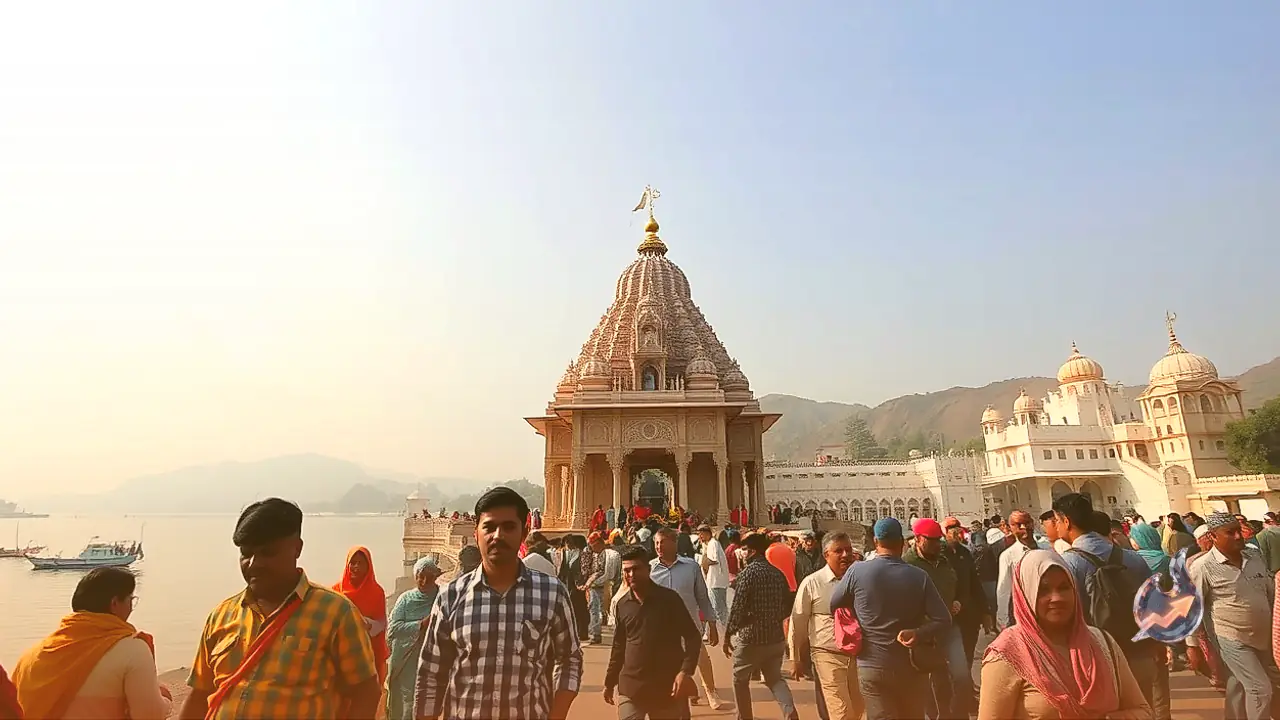
Situated around 60 kilometres from Udaipur, Kesariyaji stands out as one of the most prominent pilgrimage destinations in the region. Dedicated to Bhagwan Rishabhdev, who is also widely worshipped as Kesariyanath, this historic complex draws deep reverence. What sets this sanctuary apart is that people from different communities gather here to offer prayers and perform rituals in accordance with their distinct individual customs, fostering a unique atmosphere of collective spiritual harmony.
Beyond the sacred precincts, visitors to Kesariyaji encounter an untouched rural and natural landscape. The rolling hills, pastoral villages, and native Mewari lifestyle turn a devotional visit into an immersive cultural journey. Upgrading visitor amenities and tourism infrastructure in this belt could seamlessly connect large numbers of general tourists with this spiritual hub.
The Sacred Pull of Idana Mata Temple in Jhadol
Another major landmark with its own distinct identity is the Idana Mata temple, located in the Jhadol area of Udaipur district. Large numbers of devotees make their way to this shrine to seek blessings. Deeply held local beliefs and longstanding ceremonial practices remain central to people's faith here. The recurring religious gatherings and vibrant spiritual ambiance continually draw worshipers from across the territory.
Uniting Pilgrim Faith with Local Heritage
The distinctive value of these Mewar shrines lies in the complete cultural encounter they provide alongside regular temple visits. Colourful religious fairs, folk traditions, authentic village cuisine, and rural everyday life combine to make these holy destinations highly compelling from a broader cultural tourism perspective.