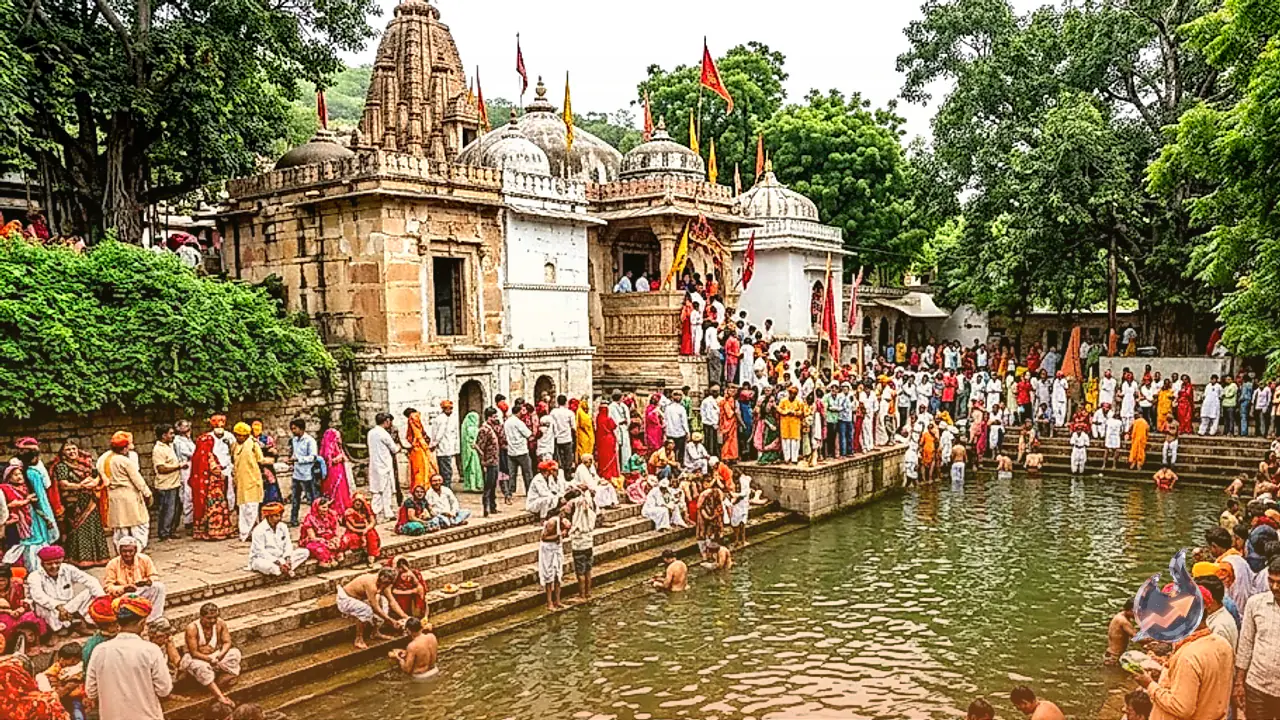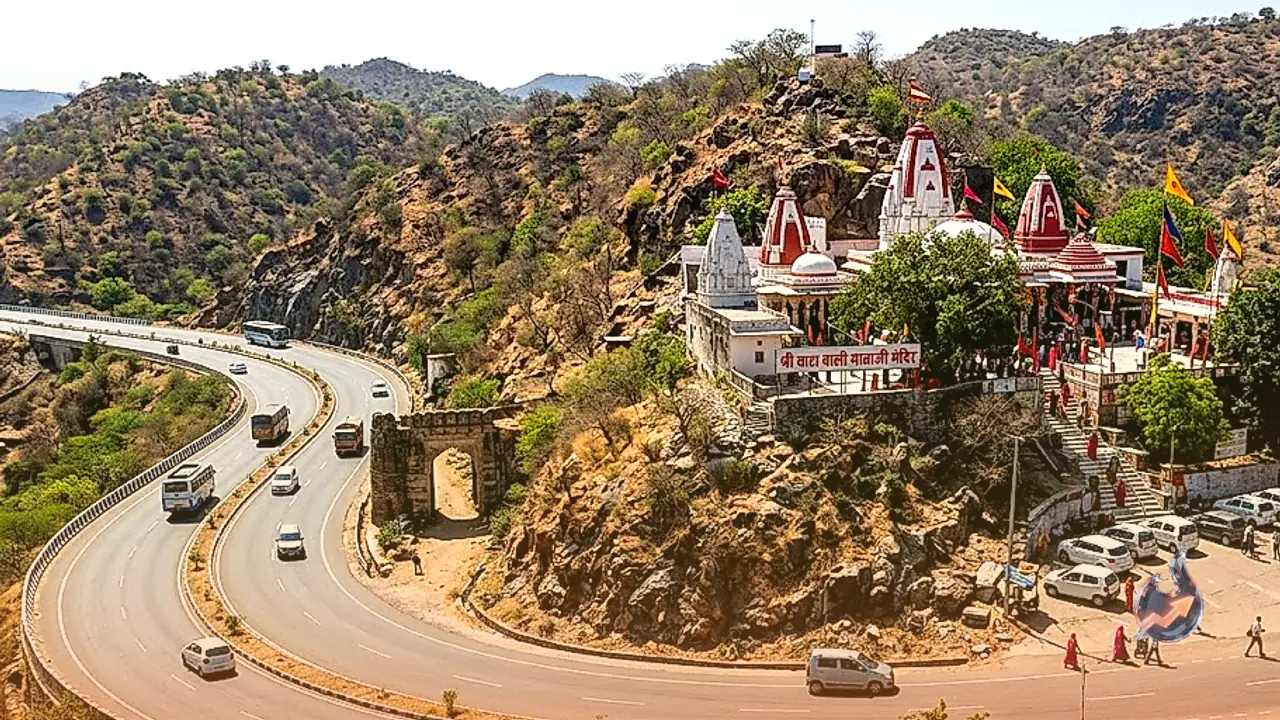




















Tucked away within the rugged terrain of the historic Mewar region in Chittorgarh, Rajasthan, the Joganiya Mata shrine stands as an extraordinary crossroads of raw nature and profound spiritual reverence. During the auspicious period of Navratri, when prayers to the divine feminine echo throughout India, this ancient seat of faith assumes exceptional prominence. Encircling the shrine are the towering ridges of the Aravalli hills, dense woodlands, and steep chasms that create an enchanting, otherworldly ambiance. At the inner sanctum, pilgrims encounter the combined presence of three principal deities, Maa Durga, Maa Lakshmi, and Maa Saraswati, enshrined together. During the rainy season, the ethereal setting is further elevated by a massive waterfall cascading down a gorge roughly 300 feet deep near the temple complex.
The Unique Custom of Dedicated Iron Handcuffs
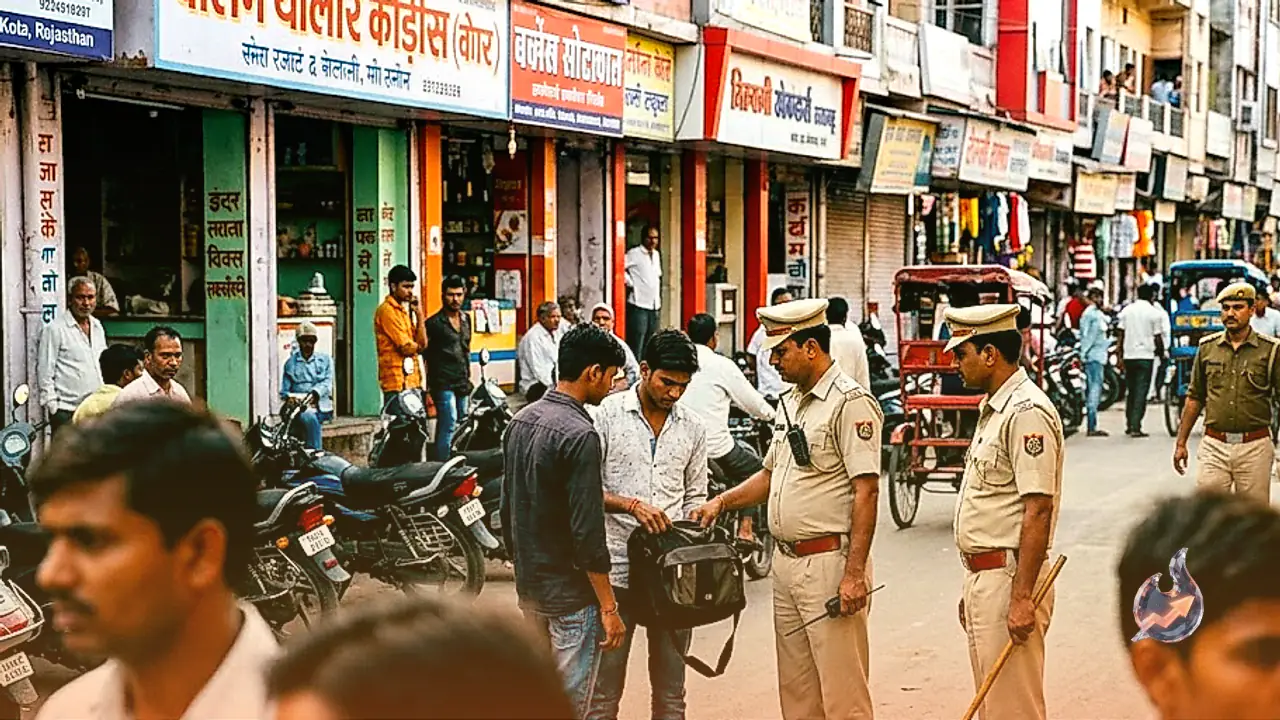
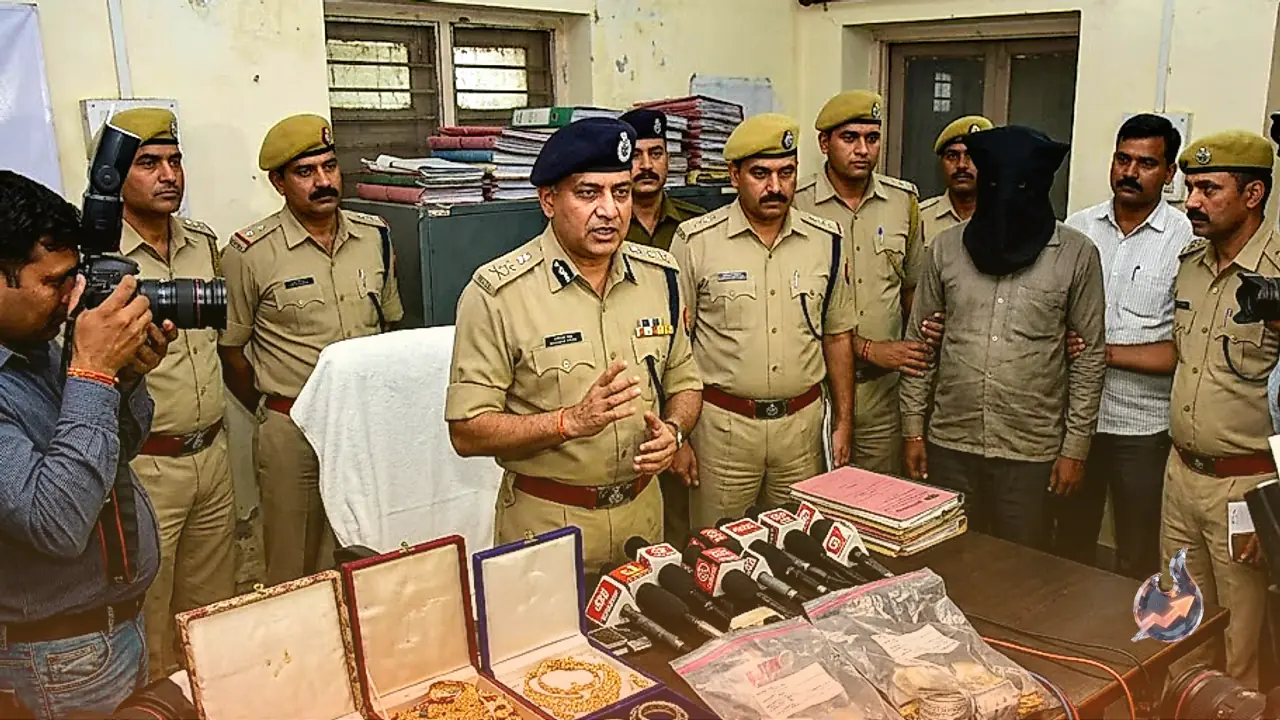
What distinguishes the Joganiya Mata shrine across the globe is its deeply entrenched custom involving iron handcuffs. According to enduring local traditions, individuals trapped in false litigation, aggressive police scrutiny, or complex legal entanglements turn to the goddess in solemn prayer for deliverance. Upon receiving relief and seeing their petitions fulfilled, devotees return quietly to present genuine iron handcuffs at the shrine. Today, countless pairs of handcuffs suspended across the sanctum walls and stone pillars serve as a tangible testament to the devotees' resolute faith and their belief in the deity as an arbiter of true justice.
Historical Foundations and Bonds with Hada Chauhan Rulers
Chronicled narratives trace the foundation of this sacred site back to the 8th and 9th centuries, an era when the deity was initially venerated under the name of Annapurna Devi. Legend recounts that during a catastrophic crisis confronting the Hada Chauhan kingdom of Bambawadgarh, the goddess manifested in the guise of a yogini, or an ascetic woman known as a Jogin, to shield the rulers from peril. Following this deliverance, she came to be celebrated by the name of Joganiya Mata. Rajput descendants of the Hada dynasty continue to worship her with complete procedural rites as their ancestral family deity (Kuldevi). Flanking the primary portal of the sanctum are two commanding lion sculptures, while a neighboring Sahastra Shivling further accentuates the eternal harmony between Shiva and Shakti.
Navratri Gatherings Draw Masses Across Three States
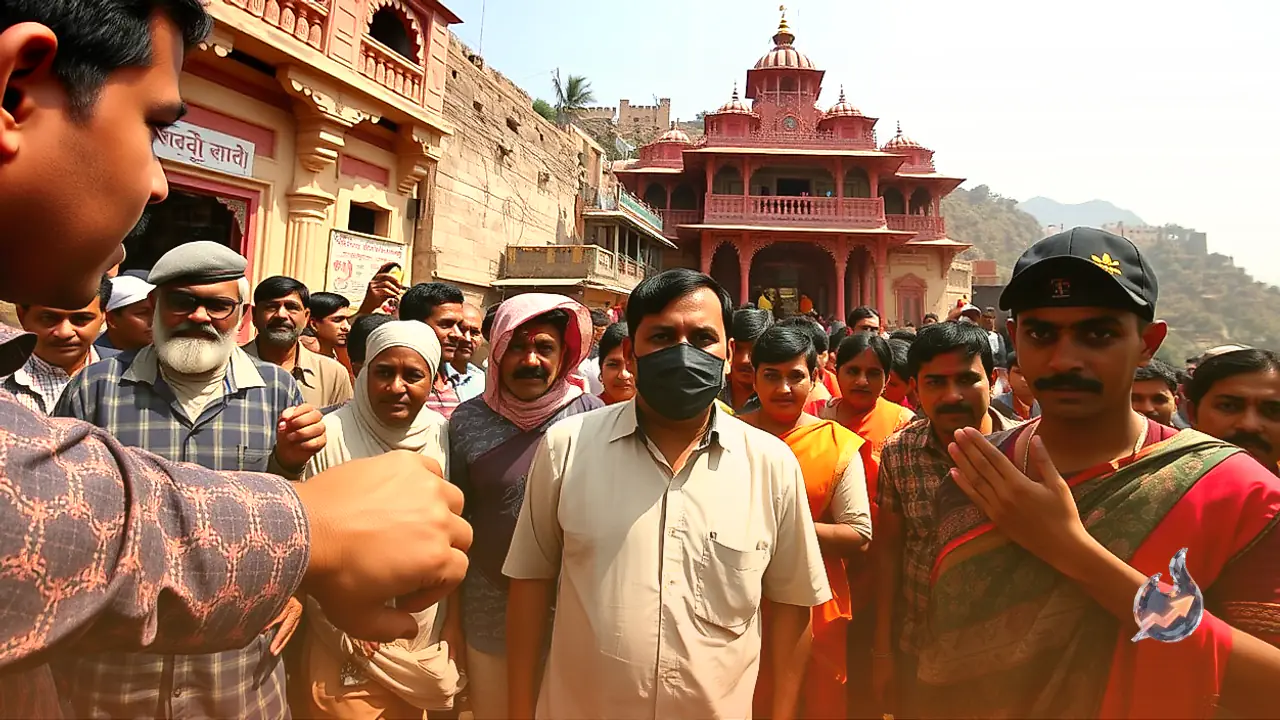
During the observance of both Chaitra and Sharadiya Navratri, the sacred precincts witness an immense convergence of pilgrims. Devotees arrive in their hundreds of thousands not only from across Rajasthan but also from neighboring Madhya Pradesh and Gujarat, seeking blessings and fulfillment of vows. Addressing the logistics of the event, temple board president Satyanarayan Joshi along with local legislator Dr. Suresh Dhakar noted that extensive arrangements are instituted to manage safety, convenience, and crowd movement for the influx of visitors. Resounding with unbroken choral chants, devotional melodies, and rhythmic prayers, the surrounding Aravalli landscape is completely enveloped in religious fervor.