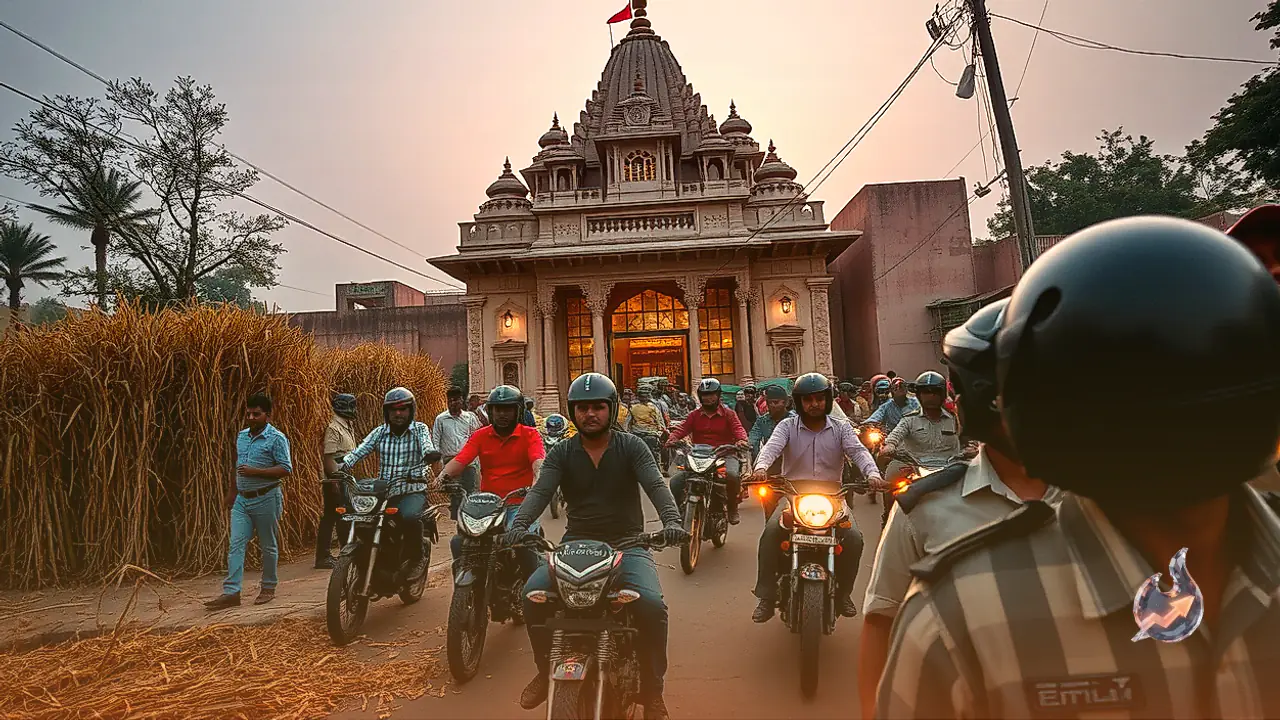



















Situated in the Jalore district of Rajasthan, the historical town of Ahor holds an esteemed position across the state for its deep-rooted heritage and spiritual importance. At the heart of this cultural landscape stands the sacred shrine of Maa Chamunda, serving as a beacon of unwavering faith for generations of devotees. With a documented history tracing back nearly 400 years, this venerable temple is distinguished from other religious sites by an extraordinary sequence of miraculous events, rigorous devotion, and divine intervention that governed its consecration.
The Daily Vow of Thakur Anar Singh and the Grueling Sundha Mountain Trek
The origins of this historic place of worship are inextricably linked to Thakur Anar Singh, a noble figure from the former ruling house of the estate. Local historical accounts and family lineage preserve that around 13 generations ago, Thakur Anar Singh was an ardent devotee of Sundha Mata. His daily existence revolved around a singular spiritual discipline: paying obeisance at the Sundha Mata shrine before the sun appeared over the horizon. According to local resident Arjun Singh, the Thakur observed this rigorous vow with total dedication. Each morning at dawn, he would oversee the inspection and maintenance of a stepwell located within his village, after which he would immediately set out along the rugged, unpaved, and treacherous trails leading to the heights of Sundha Mountain. He refused to initiate any administrative or personal tasks before completing this morning pilgrimage, establishing an unmatched record of spiritual resolve.
Loss of a Cherished Mare and the Midnight Apparition
This unbroken ritual persisted uninterrupted for many years until misfortune struck the household: Thakur Anar Singh's beloved mare suddenly died. The sudden demise of his trusted mount plunged the chieftain into severe grief and despair. Beyond the sorrow of losing a cherished companion, he was tormented by the logistical impossibility of sustaining his lifelong vow. Reaching the distant mountain shrine on foot each day prior to sunrise was an insurmountable challenge. As he lay restless and deeply distressed in his quarters that night, the divine goddess appeared before him in a clear dream. Consolingly, the deity instructed him that he no longer needed to undertake the arduous journey to Sundha Mountain. She assured him that she would personally manifest within the boundaries of his own settlement, allowing him to conduct his morning prayers right at home.
The Pond Excavation, a Mysterious Voice, and Unearthing the Sacred Idol
Upon waking at daybreak, Thakur Anar Singh acted without hesitation on the nocturnal guidance. He ordered an immediate excavation of the village pond, mobilizing local workers to uncover the site. As digging commenced in the dried bed, a potter engaged in the earth-moving suddenly heard a resounding, disembodied voice echoing from the skies. Terrified by the inexplicable phenomenon, the laborer dropped his tools and sprinted to notify Thakur Anar Singh. Arriving promptly at the excavation pit, the Thakur carefully inspected the ground and directed the workers to dig with extreme care. Beneath layers of packed soil, they uncovered an exquisitely sculpted, celestial idol of Maa Chamunda. Moments after the discovery, the heavenly voice echoed once more, reassuring the gathered assembly that there was no cause for fear, as the goddess had arrived precisely in fulfillment of her sacred word.
The Stationary Bullock Cart and Sanctification of the Final Ground
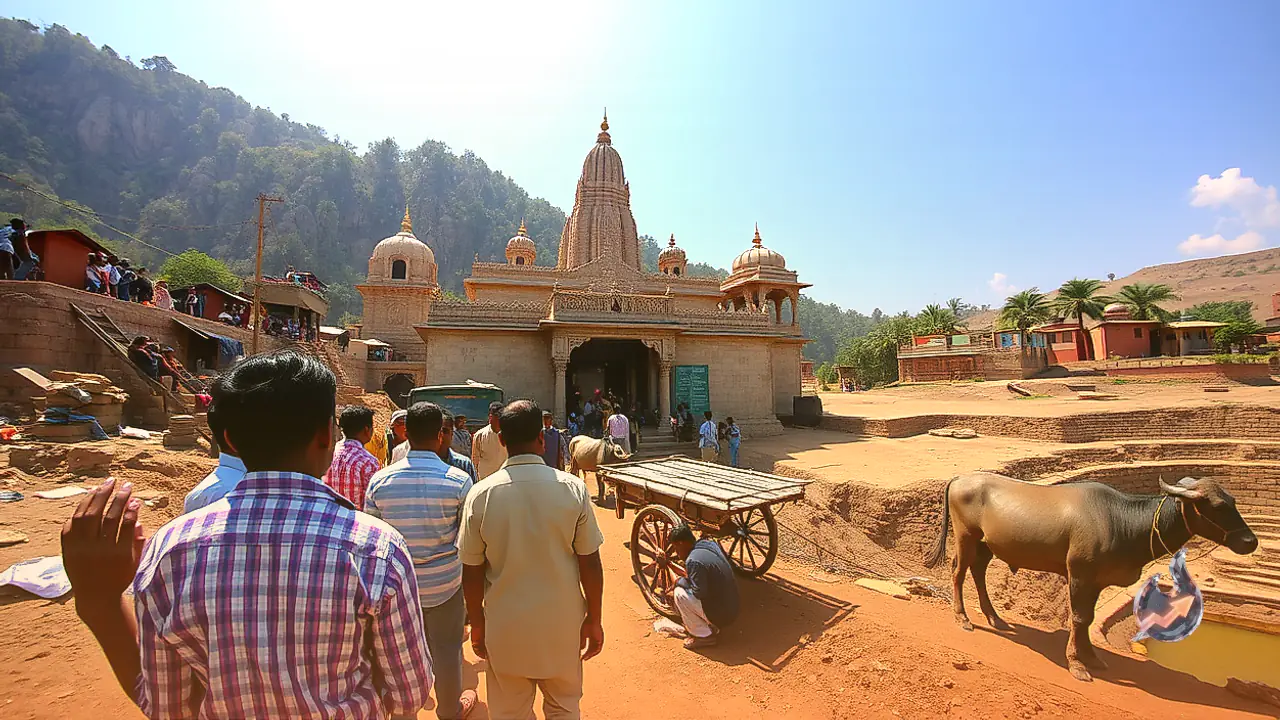
With the holy artifact recovered, arrangements were initiated to ceremonially consecrate the deity. The sculpture was placed reverently upon a decorated bullock cart to carry it toward an appropriate sanctuary. Tradition held that a divine prophecy had already decreed the outcome: the temple was to be raised at the exact spot where the cart halted of its own accord. As the procession wound its way outward from the village, the draft animals suddenly came to a dead stop after covering only a short distance. Despite strenuous efforts by handlers to coax the oxen forward, the animals remained completely immovable. Recognizing this steadfast behavior as the explicit will of the goddess, the community chose that exact plot for permanent installation. A monumental shrine was subsequently erected on the site, which today draws thousands as the renowned Chamunda Mata temple of Ahor.
The Tradition of Torso Worship and Joyous Navratri Celebrations
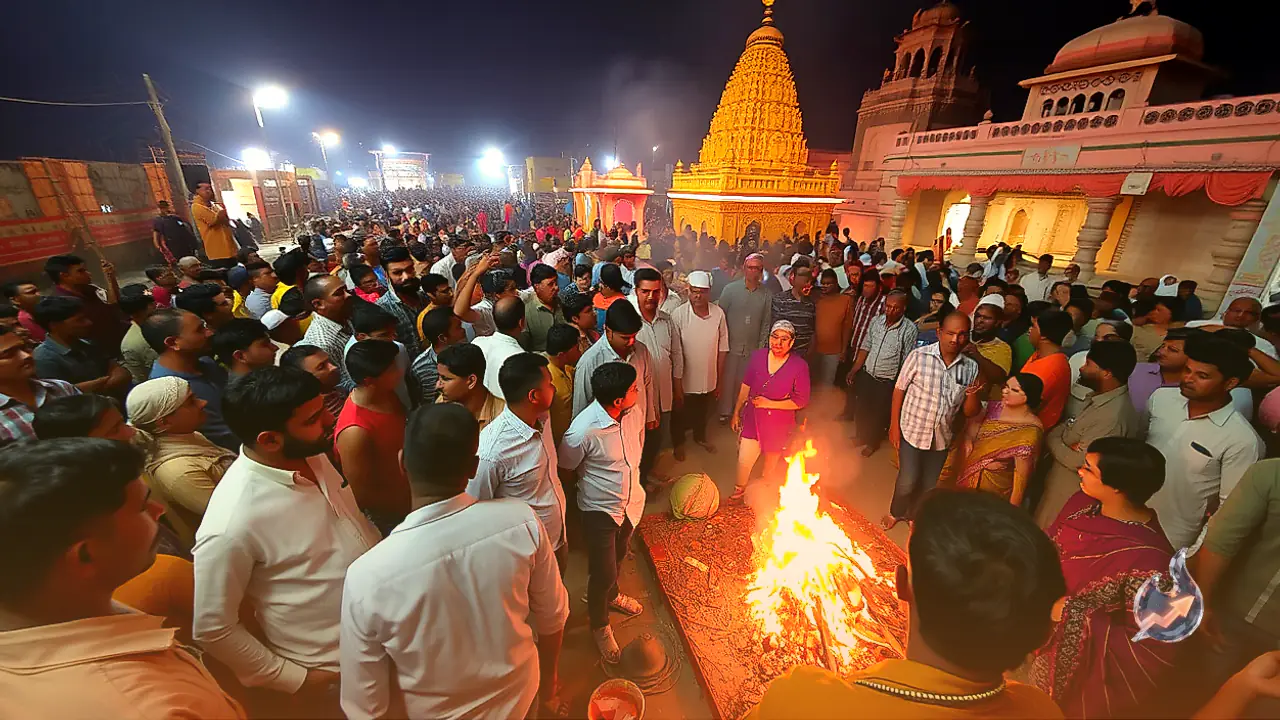
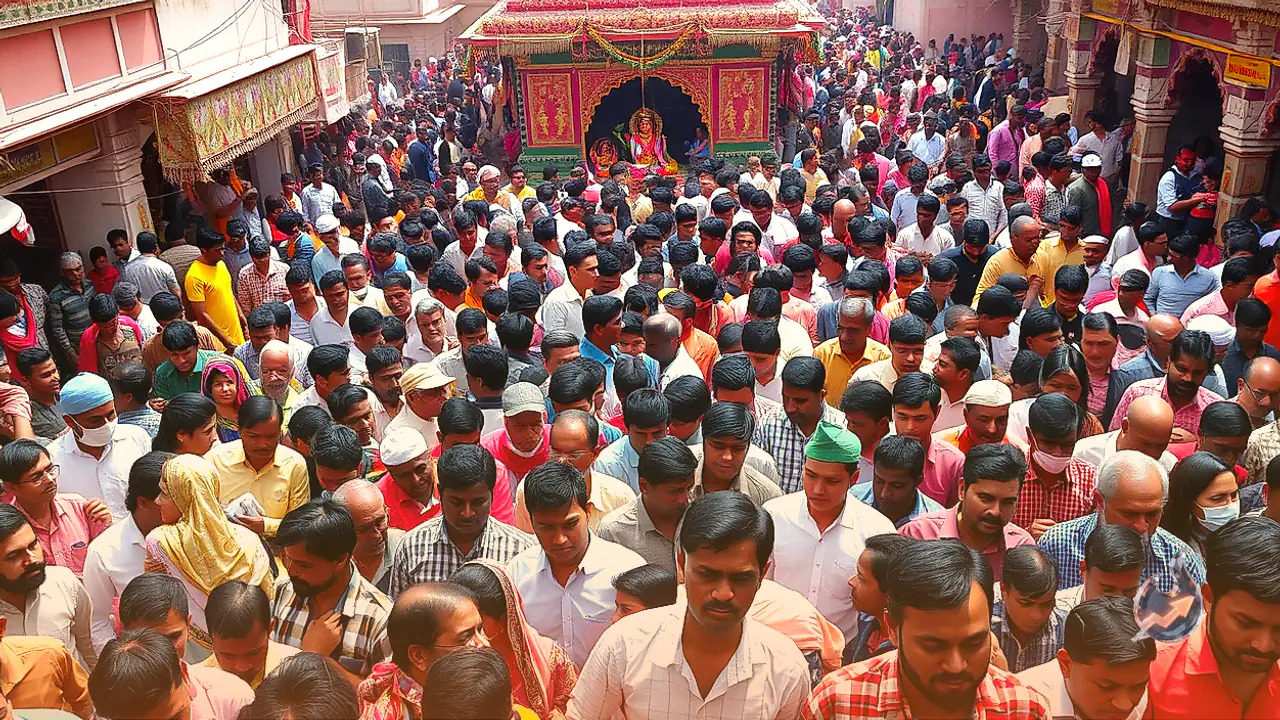
Across the four centuries that followed, the temple has stood as an unshakeable pillar of communal devotion for Ahor and surrounding regions of western Rajasthan. What sets this shrine apart from conventional Hindu temples is its unique iconographic tradition: devotees do not venerate a full-body form, but rather offer their prayers exclusively to the sacred torso of Maa Chamunda. During the holy periods of Chaitra and Sharad Navratri, the sanctuary undergoes a vibrant transformation. The nine sacred nights feature intensive ritual ceremonies, classical chanting, and grand religious gatherings. The temple courtyards come alive with massive Garba celebrations, where hundreds of local residents and pilgrims from afar assemble with exuberant devotion. This enduring 400-year-old tradition remains an essential cornerstone of Ahor's living religious identity.