





















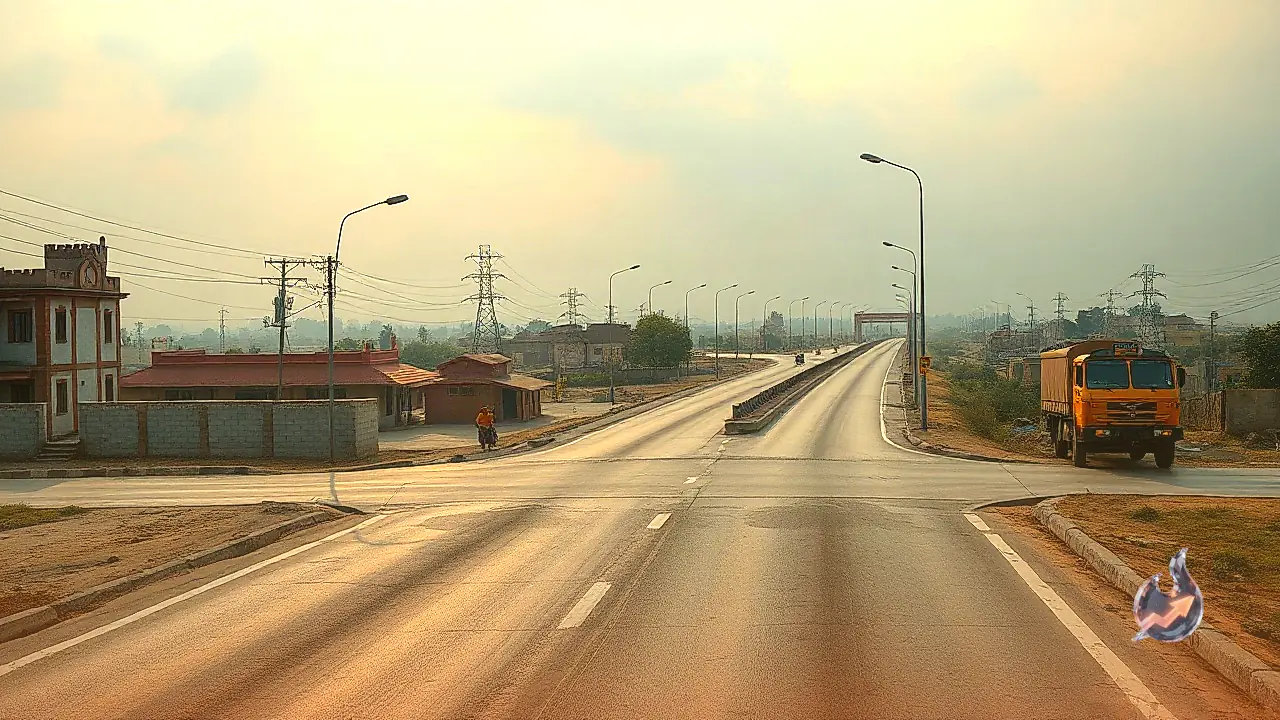

Rural Rajasthan is set for a major road-building push after the fourth phase of the Pradhan Mantri Gram Sadak Yojana, known as PMGSY-4, received administrative and financial approval for 1,216 roads and bridges across the state. The project covers a total of 3,219 kilometres of rural roads and carries a sanctioned cost of Rs 2,089.37 crore.
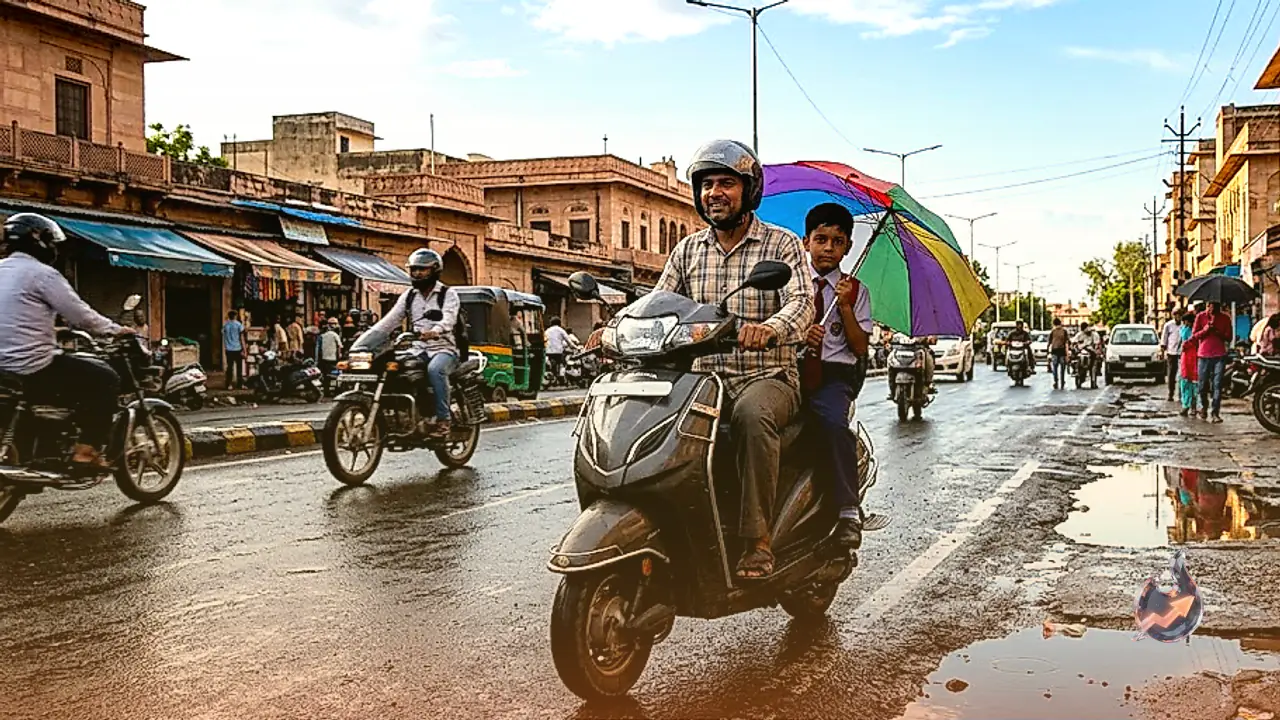
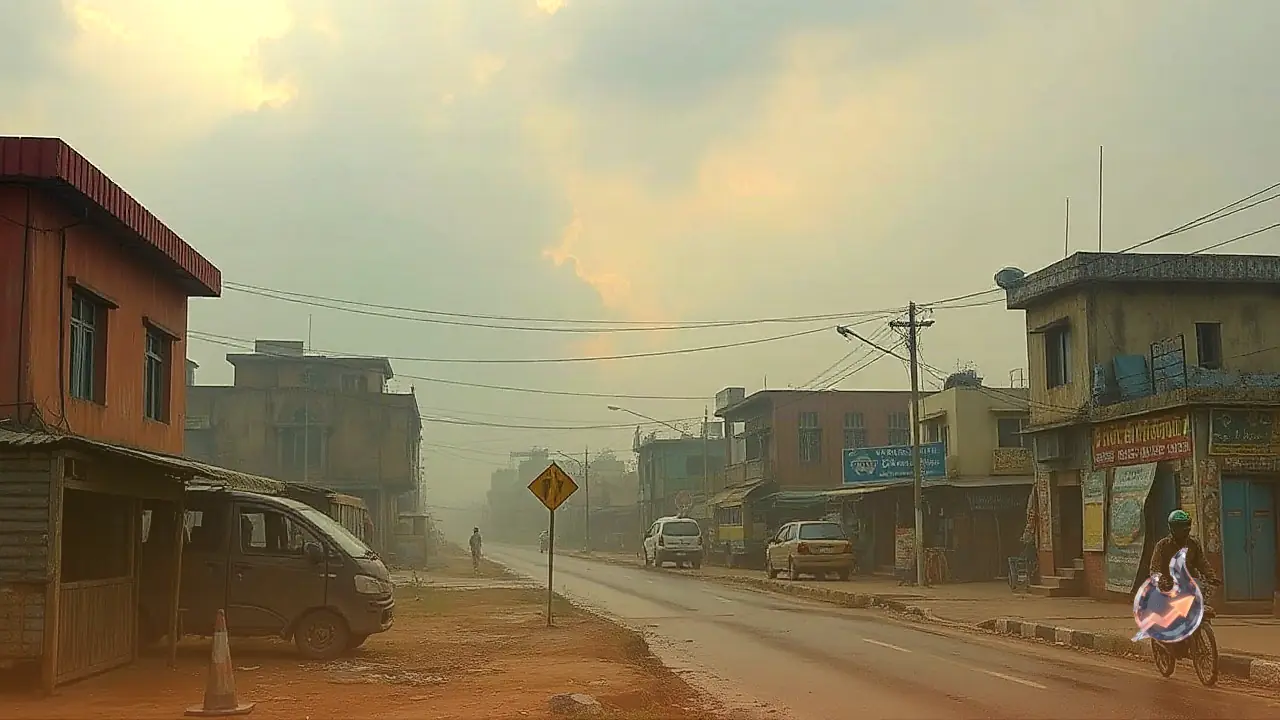
The scheme targets villages that have so far struggled with limited access to main roads and towns. Once complete, the new roads are expected to shorten the distance between villages and markets, mandis, schools, hospitals and government offices. The impact could be especially significant during the monsoon, when many villages lose road connectivity altogether. In a state as geographically vast as Rajasthan, rural roads are seen as far more than just a means of travel; they are treated as a backbone for agriculture, education, healthcare, employment and local trade.
Better roads, faster rural economy
The link between rural roads and the local economy is direct. When farmers can move their produce from field to mandi quickly, it saves both time and transport cost. Getting milk, vegetables and other farm produce to market on time becomes difficult without reliable roads. Small shops, transport services and farm-linked businesses in villages also tend to grow once connectivity improves. That is why schemes like PMGSY are viewed not merely as road-construction exercises but as a foundation for rural economic growth.
Udaipur to Jaipur-Dausa: a wide network takes shape
District-wise data shows Udaipur leading the list with 84 roads planned, spanning a combined 171.35 kilometres. In the tribal-dominated district of Pratapgarh, 11 roads covering 17.42 kilometres have been approved under the fourth phase. In Didwana-Kuchaman, Jhunjhunu and Nagaur districts, proposals for strengthening more than 394.65 kilometres of rural roads have been cleared at the initial stage. The importance of rural road networks grows further in fast-developing regions such as Jaipur-Dausa, where villages near the state capital and district headquarters depend on strong road links for the daily movement of farmers, students, employees and small traders. Stronger roads are expected to ease the daily commute between villages, towns and cities, while also helping transport farm produce to markets and connecting rural residents with education and healthcare services.
From Salumbar and Dungarpur to the Thar desert
In Salumbar district, 39 roads covering roughly 76 kilometres have been approved at a cost of around Rs 56.68 crore. Dungarpur district has also received approval for 50 rural roads. Meanwhile, in the border and remote areas of the Thar region, including Barmer, Balotra and Jaisalmer, large-scale tarring work has been proposed under various packages of the scheme, aimed at improving the connectivity of villages and hamlets, or dhanis, with main routes. In Churu district too, the initial package includes connector roads linking villages and hamlets, which should make movement and access to basic facilities easier in these areas.
Easier access to mandis in Kota-Baran
In the Hadoti region, the importance of rural road networks is heightened by the scale of agricultural activity. In districts like Kota and Baran, better road access to villages could make it easier for farmers to reach local markets and mandis with their produce. The benefit will not be limited to crop transport alone, since transport services, agricultural inputs, dairy and several other businesses are linked to road connectivity and stand to gain from improved access. This is why these roads are being viewed as infrastructure capable of driving the region's economic activity.
Real gains will depend on quality and timely execution
The 3,219-kilometre road-building drive under PMGSY-4 in Rajasthan can be seen as a major step in expanding the state's rural infrastructure. Better roads could shrink the distance between villages and towns not just geographically but also economically and socially. Once built, they should make it easier for farmers to reach markets, children to reach schools, patients to reach hospitals and young people to access job opportunities, while also giving a push to trade and transport activity in rural areas. However, the actual impact of the scheme will depend on the quality of construction, whether projects are completed on schedule, and how well the roads are maintained afterward. If this 3,219-kilometre expansion is completed to the prescribed standards, it could play a significant role in strengthening rural connectivity and driving the state's overall infrastructure development in the coming years.