




















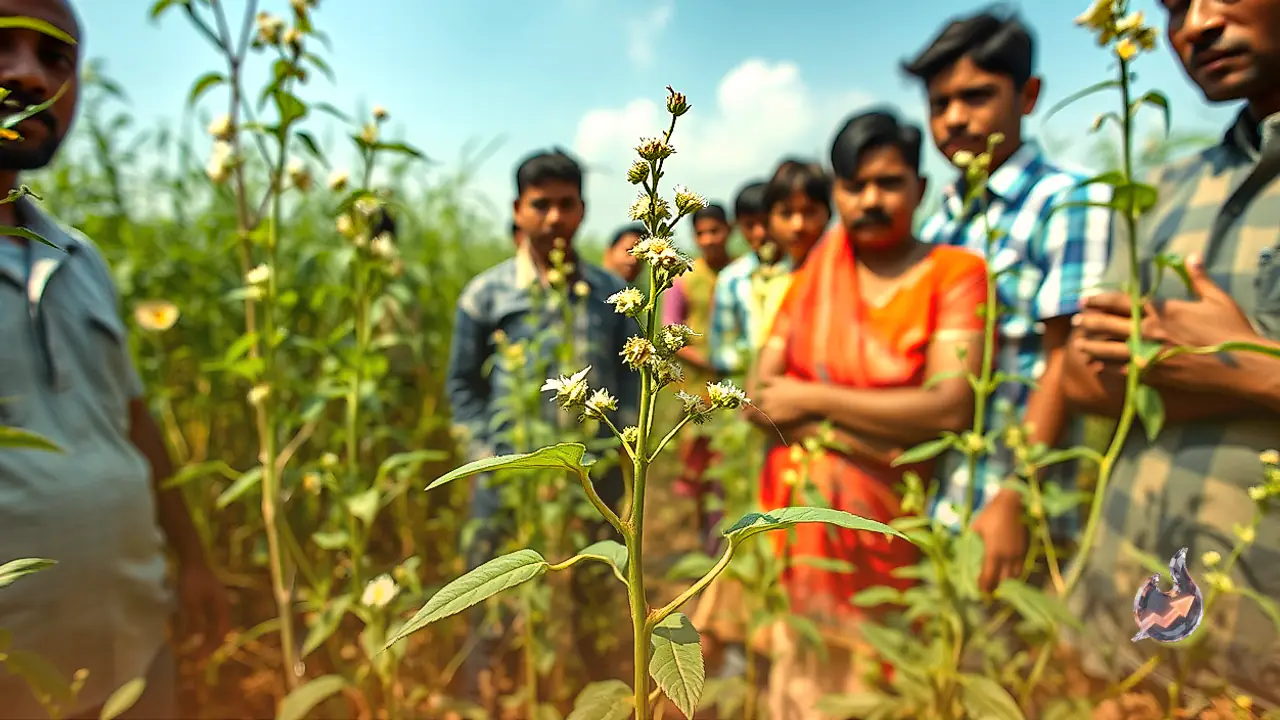

Open grounds, deserted residential plots, and road verges across various regions are witnessing an aggressive infestation of an invasive weed. Though resembling an ordinary wild shrub at first glance, carrot grass poses an enormous ecological, agricultural, and public health hazard. Following seasonal monsoon showers, this plant sprouts in massive colonies throughout rural and semi-urban landscapes. Left unchecked, its volatile seeds disperse rapidly across surrounding territories, accelerating an environmental crisis that is becoming increasingly hard to manage.
Severe Health Ramifications for Humans
Environmental enthusiast Dr. Abhilasha Ranwa points out that consistent physical proximity to carrot grass can trigger dangerous dermatological reactions. Direct contact with the plant causes persistent itching, red rashes, and stubborn skin disorders. Prolonged or chronic exposure elevates the danger further, leading to serious medical complications like eczema and bronchial asthma. Consequently, agricultural laborers, ground maintenance workers, and individuals handling activities in open grasslands or abandoned properties need to observe strict protective precautions.
Invasion History and Botanical Identity
Known botanically as Parthenium hysterophorus, this invasive species is also widely referred to by local names such as Chatak Chandani and carrot grass. Agricultural historians and specialists trace its unwanted introduction back to 1955, when it entered India as a contaminant within wheat shipments imported from the United States. Its presence on Indian soil was initially documented in Pune, Maharashtra. From that single initial footprint, the invasive weed progressively colonized vast stretches across virtually all regions of the country.
Prolific Seed Generation and Dispersal Mechanics
A fully matured Parthenium shrub stands nearly one meter tall, characterized by clusters of minuscule white blossoms. The greatest ecological challenge posed by the species stems from its astonishing reproductive output. A single plant can churn out anywhere between 5,000 and 25,000 seeds over the course of a single year. These lightweight seeds travel effortlessly across vast distances carried by gusts of wind, flowing surface runoff, and human or vehicular movement. As a result, an infestation that starts in a neglected plot quickly blankets surrounding agricultural lands and common pastures.
Threat to Biodiversity and Agricultural Productivity
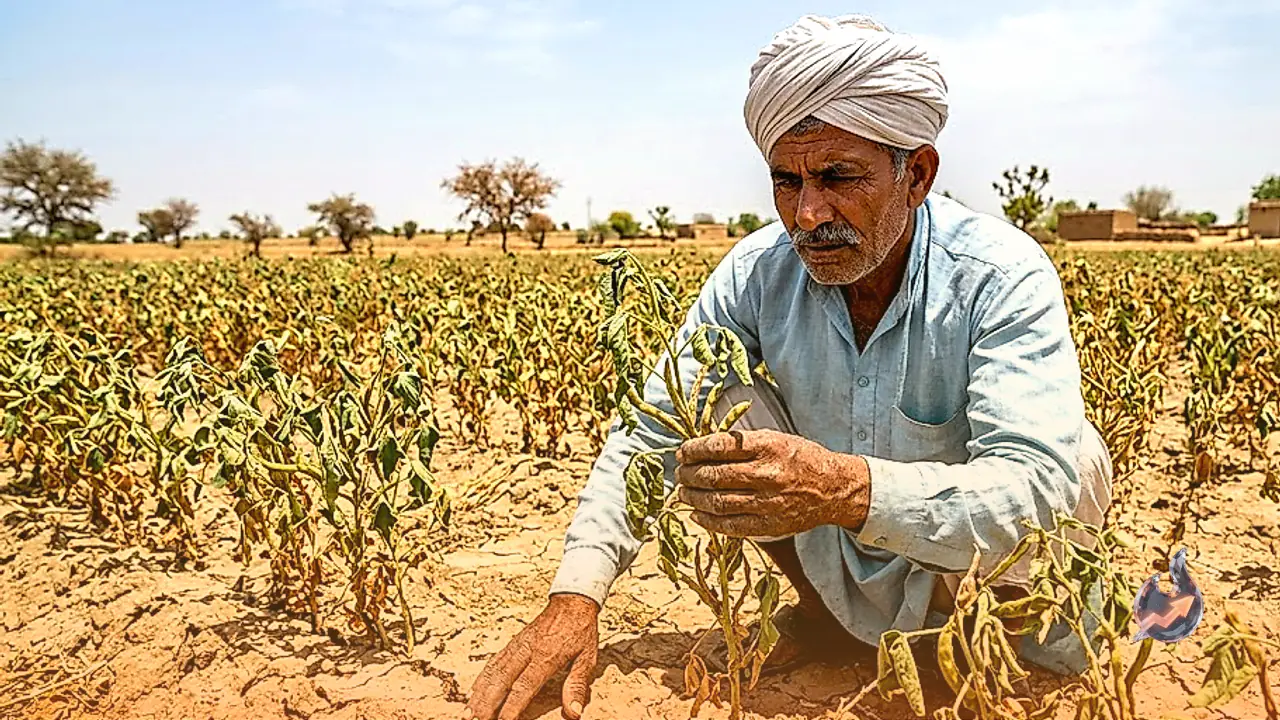
Carrot grass does far more than occupy vacant territory; it actively suppresses the growth of neighboring plant varieties by outcompeting them for essential soil nutrients and space, jeopardizing native biodiversity. Agriculture expert Dinesh Jakhar highlights that the persistent presence of this weed stunts cultivated crops and severely impairs their overall yield. Under severe infestation conditions, farmers can experience staggering crop production losses of up to 40 percent.
Control Strategies and Administrative Hurdles
Containing the proliferation of carrot grass requires uprooting and disposing of the weed before it manages to develop flowers and mature seeds. Anyone manually pulling out the shrubs must wear protective gloves to eliminate direct epidermal contact. Controlling its spread involves a combination of mechanical removal, chemical herbicide applications, and targeted biological measures. Moreover, organizing community clean-up drives across vacant public spaces remains critical to halting its unchecked advancement.
Offering administrative perspective, Ramchandra Bajiya, Assistant Director in the Department of Agriculture, noted that the weed tends to flourish far more aggressively on abandoned grounds than on actively farmed acreage. Routine agricultural operations such as regular plowing and sowing inherently destroy large numbers of weed seeds, restricting its footprint inside cultivated fields to some degree. He further clarified that the agriculture department has no independent statutory scheme or earmarked fund exclusively dedicated to the total eradication of carrot grass. Under these circumstances, coordinated joint initiatives involving village panchayats, local administrative bodies, and resident communities represent the only realistic strategy to rein in its rapid colonization.