
















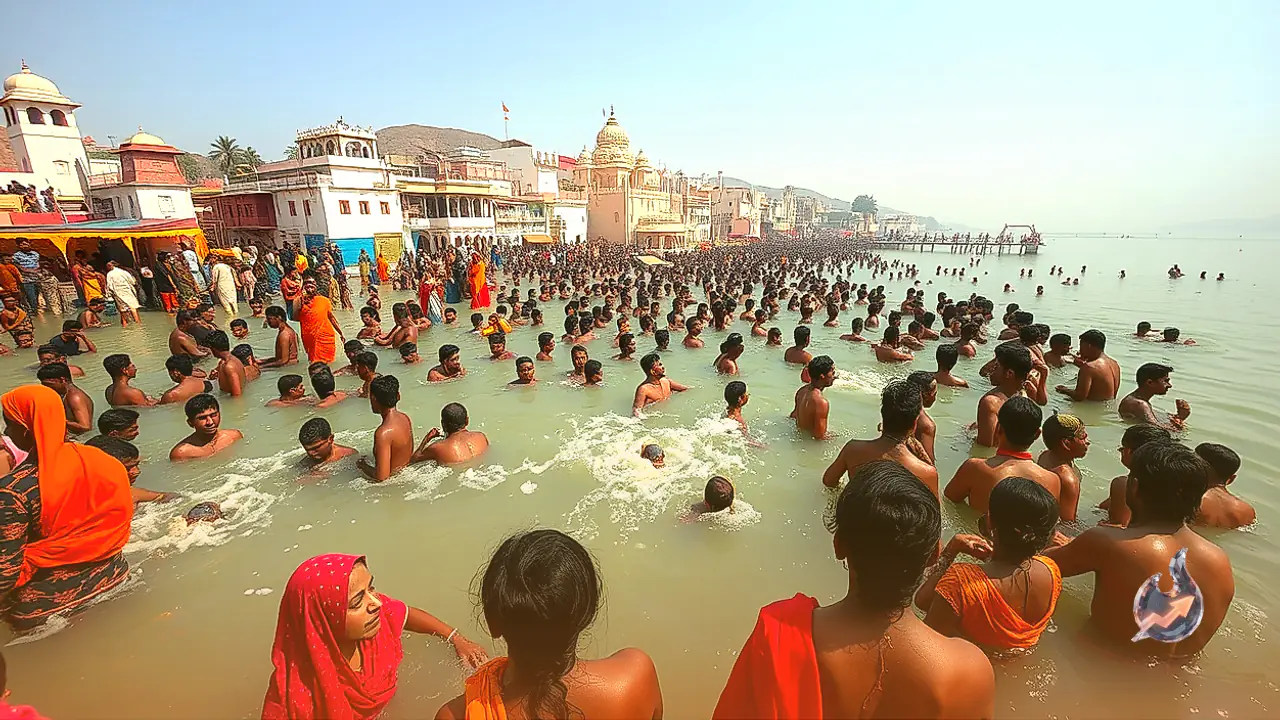

Nestled in the Ajmer district of Rajasthan, the holy town of Pushkar holds a venerated position in Indian spiritual tradition, often hailed as Tirtharaj or the preeminent leader among all pilgrimage destinations. While its celebrated annual gathering during the Hindu month of Kartik attracts international travelers and domestic tourists alike, the core essence of the congregation lies anchored in profound faith surrounding Pushkar Lake. In the traditional lunar calendar, the five-day span stretching from Devutthana Ekadashi to Kartik Purnima is regarded as exceptionally auspicious, motivating hundreds of thousands of pilgrims to undertake ceremonial ablutions in its sacred waters.
Lord Brahma's Grand Yajna and the Sanctity of the Five-Day Period
The origin of this enduring custom traces back to sacred lore concerning Lord Brahma, the creator of the universe. According to local priest Jayant Rajguru, classical scriptural accounts detail how Lord Brahma initiated a massive sacrificial ritual, or yajna, on this very soil for the collective well-being and preservation of creation. This sacred sacrifice commenced on the auspicious dawn of Devutthana Ekadashi and reached its solemn conclusion precisely five days later on the night of Kartik Purnima.
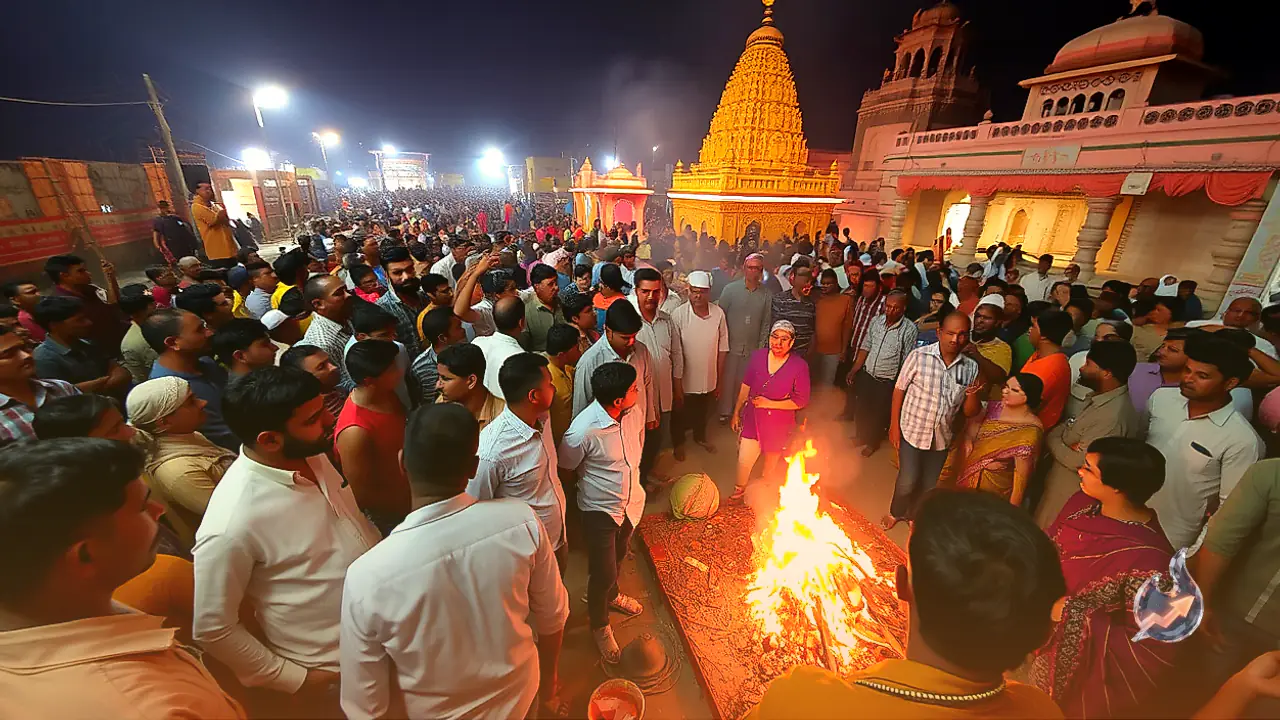
Because the divine sacrifice unfolded across this precise timeframe, these five days carry unmatched theological importance. Each year, the advent of this period triggers a dramatic surge in pilgrim footfall across the town. The entire holy enclave transforms into an active spiritual center, resonating continuously with the recitation of Vedic hymns, sacred incantations, and devotional music that echo across the surrounding desert hills.
Descent of Thirty-Three Crore Deities and Rituals Across 52 Ghats
Pushkar Lake serves as the physical and devotional center of this spiritual congregation, framed by 52 distinct stone ghats. Priest Jayant Rajguru notes that deep-seated religious lore records the descent of thirty-three crore deities from the heavens down to earth during these five specific days. According to this tradition, the celestial beings themselves arrive to immerse in the holy lake and commemorate Lord Brahma's historic sacrifice.
Guided by centuries of unshakeable faith, pilgrims assemble along the stone steps of the 52 ghats to offer prayers, float lamps, and perform ritual ablutions. Popular belief holds that undertaking a sacred bath in Pushkar Lake during this sanctified interval washes away accumulated sins across multiple lifetimes, granting spiritual purification and paving the path toward ultimate liberation or moksha.
A Fusion of Deep Devotion and Vibrant Rajasthani Folklore
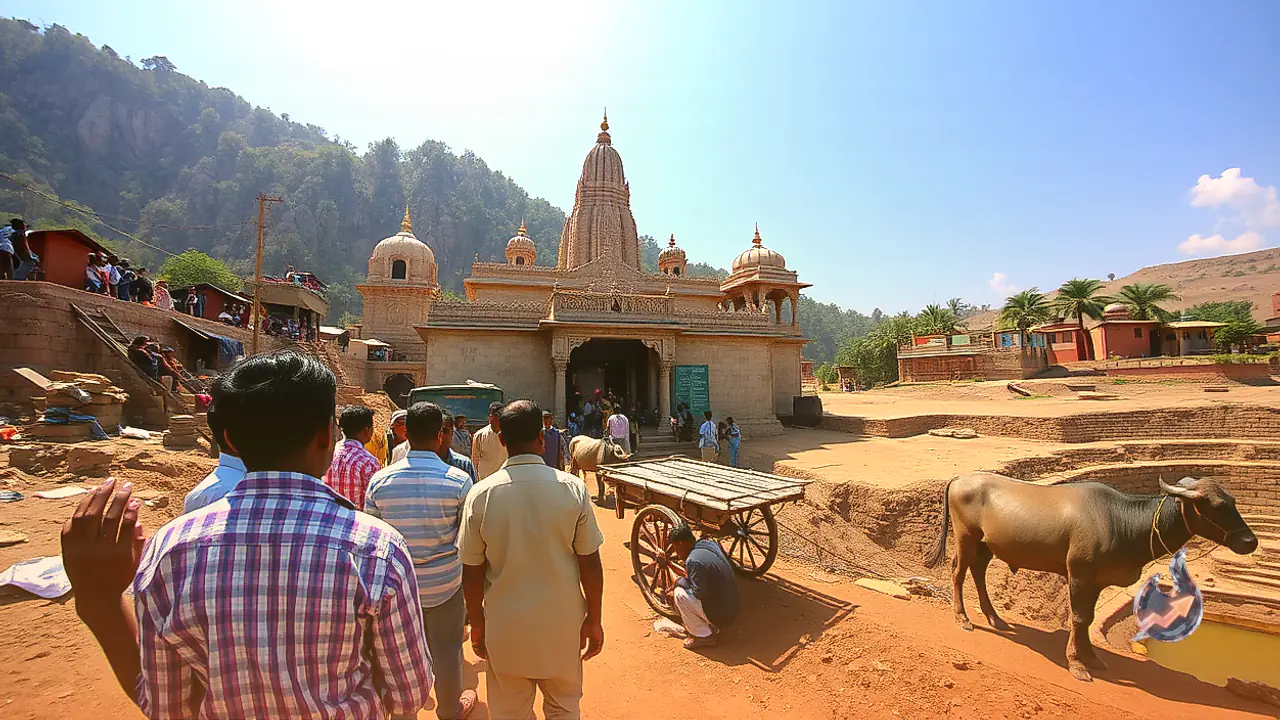
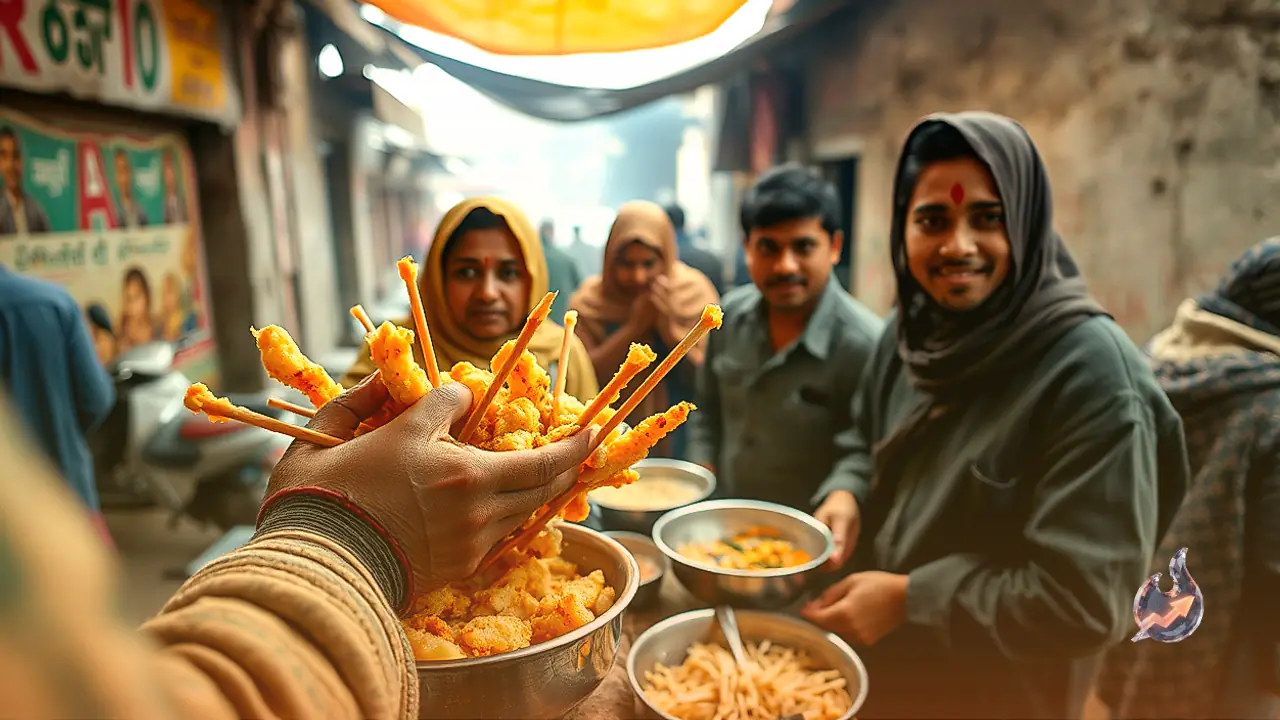
The annual gathering at Pushkar extends well beyond religious ceremonies, presenting an extraordinary synthesis of intense spirituality and vivid regional culture. While the lakeside steps and the temple dedicated to Lord Brahma remain immersed in solemn reverence and rituals, adjacent fairgrounds burst to life with traditional livestock trading, camel races, and vibrant regional folk performances.
This organic coexistence of ancient scriptural solemnity and lively cultural heritage provides the Pushkar gathering its singular global identity. International and domestic visitors arrive to observe the rich artistic heritage of Rajasthan, while spiritual seekers come seeking inner peace and blessings through the sanctified waters of Brahma's historic sacrificial site.