


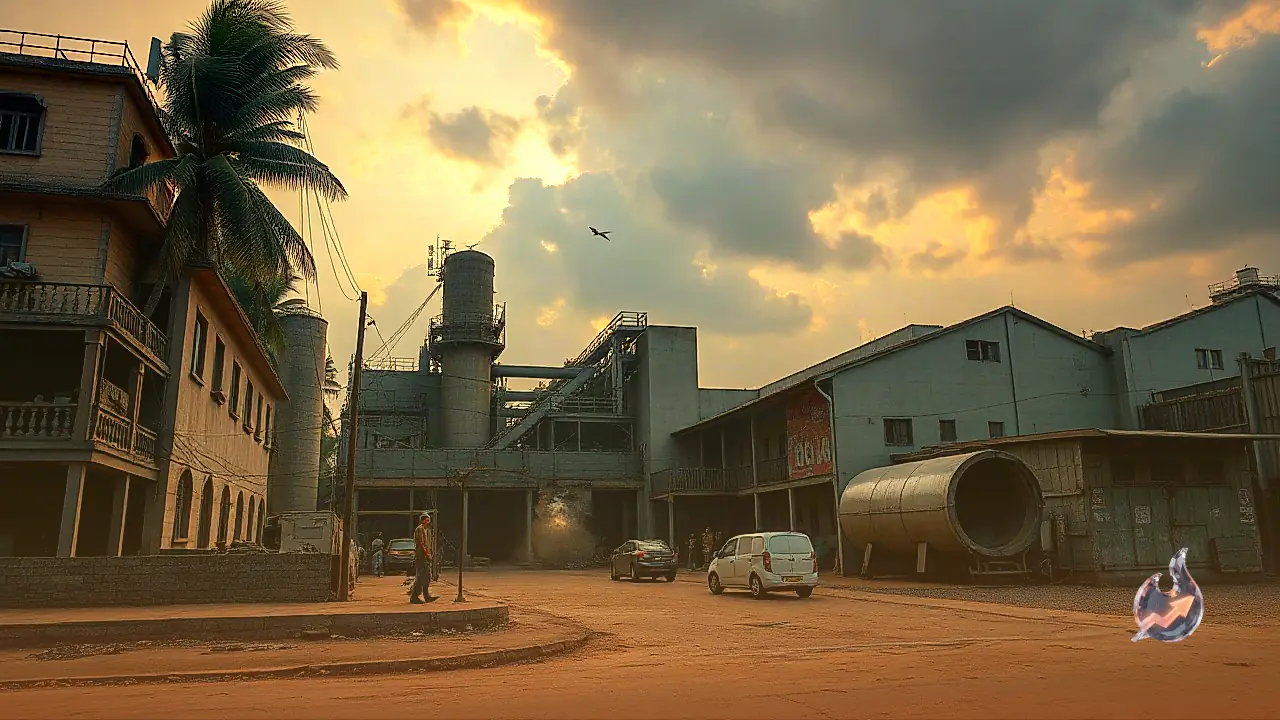














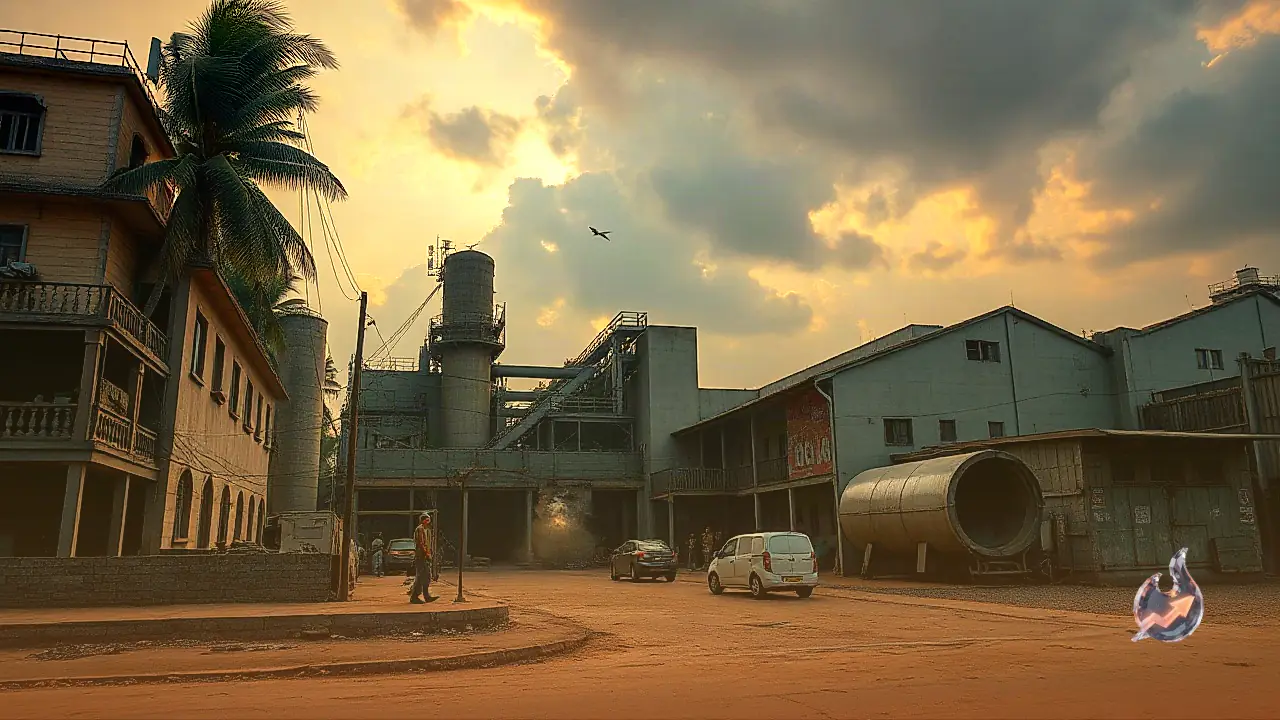

Situated near the Thar Desert in Rajasthan, the city of Pali is widely recognized today as one of India's prominent centers for textile dyeing, printing, and cotton fabric manufacturing. However, the foundation of this extensive industrial ecosystem was laid decades ago. In 1939, Maharaja Umed Singh of the Marwar princely state, alongside noted industrialists Ramkunwar-Mugniram Bangar, envisioned a massive cotton textile mill that would alter the economic trajectory of Rajasthan. At a time when heavy manufacturing was virtually non-existent in the region, establishing a large-scale composite textile plant in Pali was nothing short of an industrial breakthrough. Today, Maharaja Shree Umed Mill stands not merely as a manufacturing facility, but as a living symbol of Pali's rich industrial heritage and economic resilience.
The Birth of Marwar's Industrial Era: Founding Umed Mill
The journey of this historic enterprise officially gained momentum between 1939 and 1942. During that era, Jodhpur, the administrative capital of the state, faced limitations regarding industrial infrastructure and dependable water resources. In contrast, Pali was strategically located close to the catchment and distribution network of the Jawai Dam system. Recognizing this critical advantage, Maharaja Umed Singh chose Pali over Jodhpur for setting up the state's premier textile unit. Operating under the name 'Maharaja Shree Umed Mills Limited' from 1942 onwards, the facility quickly demonstrated that large-scale manufacturing could thrive even in the arid terrain of Marwar.
Integrated Manufacturing: From Raw Cotton to Finished Fabric
One of the key features of Maharaja Shree Umed Mill has always been its composite production setup. As one of Rajasthan's oldest and largest integrated textile units, every step of the process—from receiving raw cotton and spinning yarn to weaving the final cloth—takes place under a single roof. The cotton yarn produced here achieved high quality standards, creating strong demand across domestic and international markets. Furthermore, the mill's proprietary cotton fabric brands, including 'Lily' and 'Roopmati', maintained a dominant market presence across India for several decades.
Catalyzing Pali's Transformation Into a Textile Center
The success of Umed Mill served as a major catalyst for local entrepreneurship. Inspired by the mill's operational scale, residents across Pali began setting up small-scale cottage units dedicated to fabric dyeing and hand printing. Initially, these home-based craftsmen focused on traditional Rajasthani safas (turbans) and fine muslin cloth. However, as market demand evolved, local manufacturers diversified their offerings. Today, Pali's industrial units produce a wide selection of salwar suits, modern cotton fabrics, and designer garments alongside traditional textiles.
Overcoming Competition Through Local Dye Innovation
As Pali's dyeing and processing industry expanded, it encountered tough competition from well-established power processing mills in Mumbai. The Mumbai textile lobby held considerable influence over central trade policies, which created operational hurdles for Pali's emerging market. Instead of backing down, Pali's local entrepreneurs collaborated closely with traditional dyers (rangrez) to develop indigenous chemical formulations. Together, they succeeded in manufacturing nearly 80 percent of their fast dyes locally. This breakthrough reduced production costs significantly, allowing Pali's textile goods to remain competitive against Mumbai's large mills. Today, manufacturers in Pali are replicating varieties and patterns originating from Surat, positioning the city to compete directly with Gujarat's textile giant.
Historical Milestones and Key Pioneers of Pali's Textile Movement
The year 1947 marked an important milestone in the evolution of Pali's textile ecosystem. Around the time of India's independence, Chhipa Allabakhsh Thuliwala initiated table printing for ghaghra-pat at Pyara Chowk using 5-meter wooden tables. To meet rising demand, processing tables were subsequently expanded to 15 meters and eventually 42 meters. In those early years, fabric dyeing was conducted manually inside wooden vats using starch (kanji) and temporary dyes.
Modernization took off when the late Sameer Mal Lodha visited processing plants in Mumbai and Ahmedabad, subsequently bringing the first 'Jigger' machine to Pali. This technological introduction upgraded fabric processing speed and finished quality. Following Lodha's initiative, several visionary entrepreneurs—including Madanlal Dhoka, Babulal Kothari, Madanbhai Rangrez, Niyamat Bhai, Rupchand Balai, Bhanwarlal Sancheti, and Amarchand Gadiya—established their own processing factories, cementing Pali's reputation across the nation.
Modernization, Workforce Changes, and Eco-Friendly Practices
Over its 87-year history, Umed Mill has navigated shifting economic conditions, labor market dynamics, and global trade challenges. At its peak, the mill complex employed more than 3,500 workers. Over time, inflationary pressures on wages and the adoption of automated machinery led to a gradual reduction in manual workforce requirement. Today, under the management of the LN Bangar Group, the mill operates with approximately 2,100 to 2,200 employees working across three shifts.
To maintain competitiveness in modern markets, the management has integrated advanced spinning and weaving machinery into its production lines. Simultaneously, addressing environmental sustainability has been prioritized through the installation of a modern Zero Liquid Discharge (ZLD) plant, ensuring full recycling and reuse of process water. Today, the smoke rising from the iconic chimney of Umed Mill continues to symbolize the enduring presence of Marwar's foundational industrial pillar.