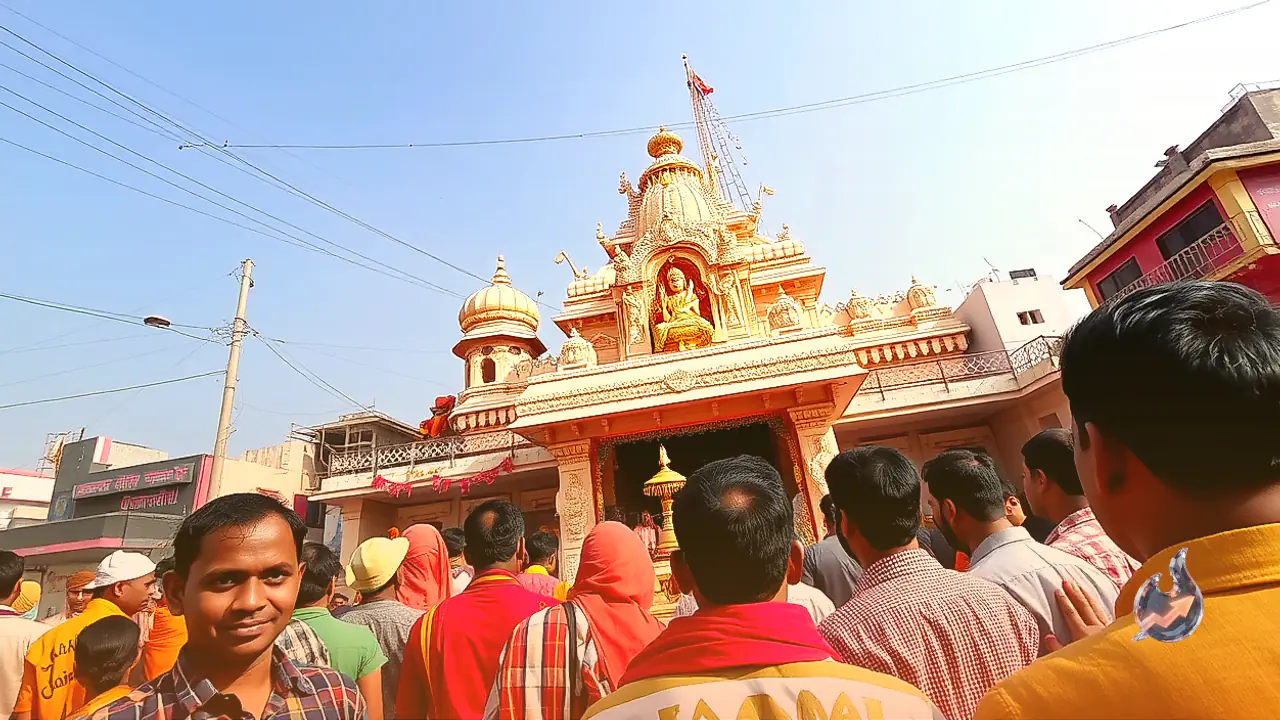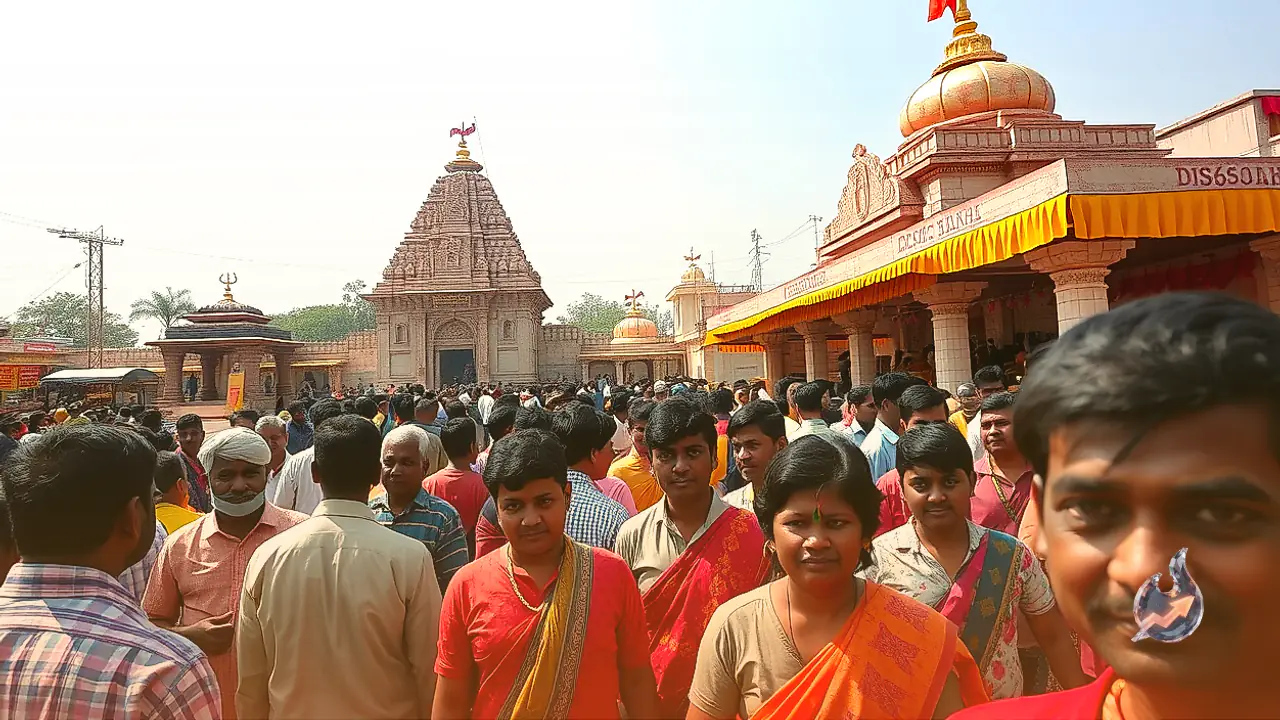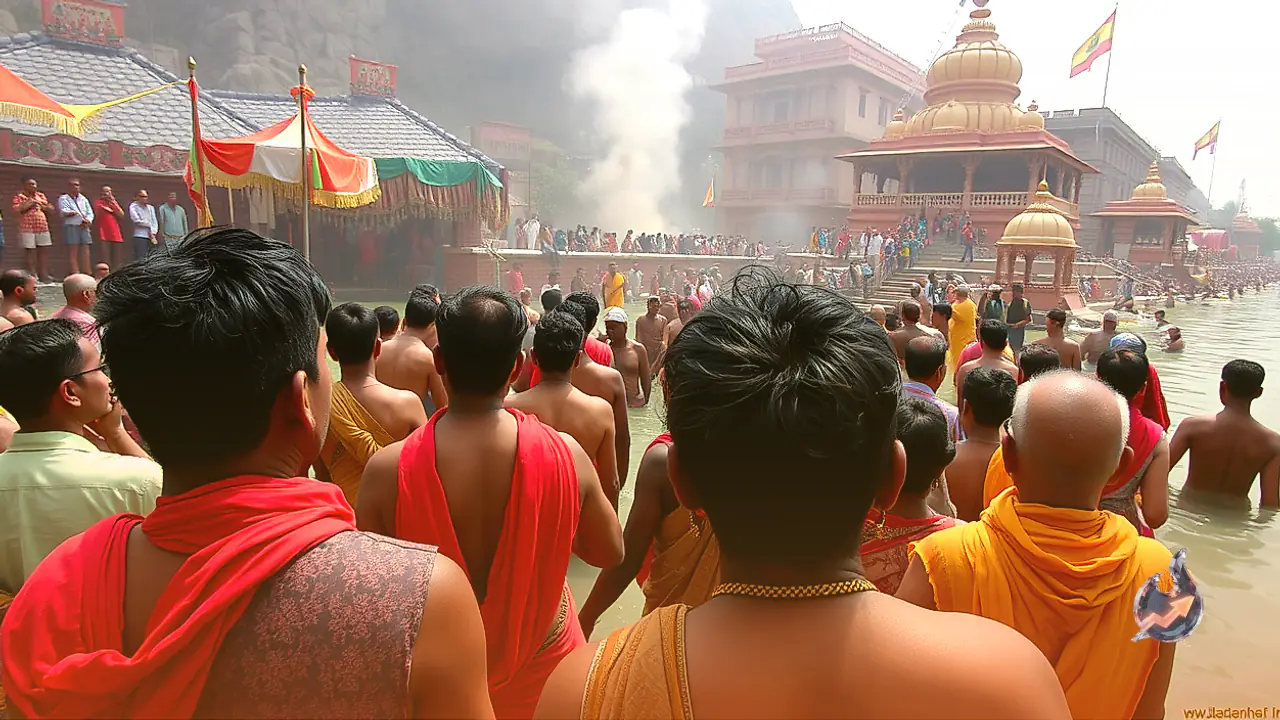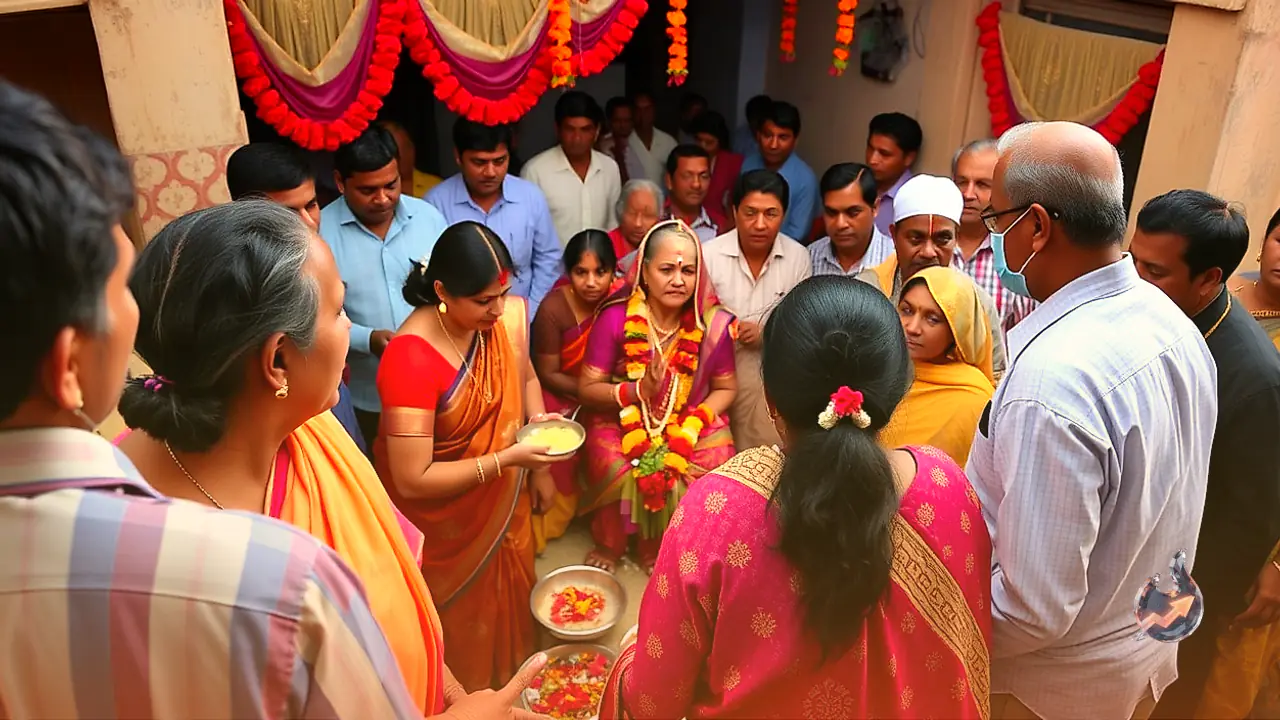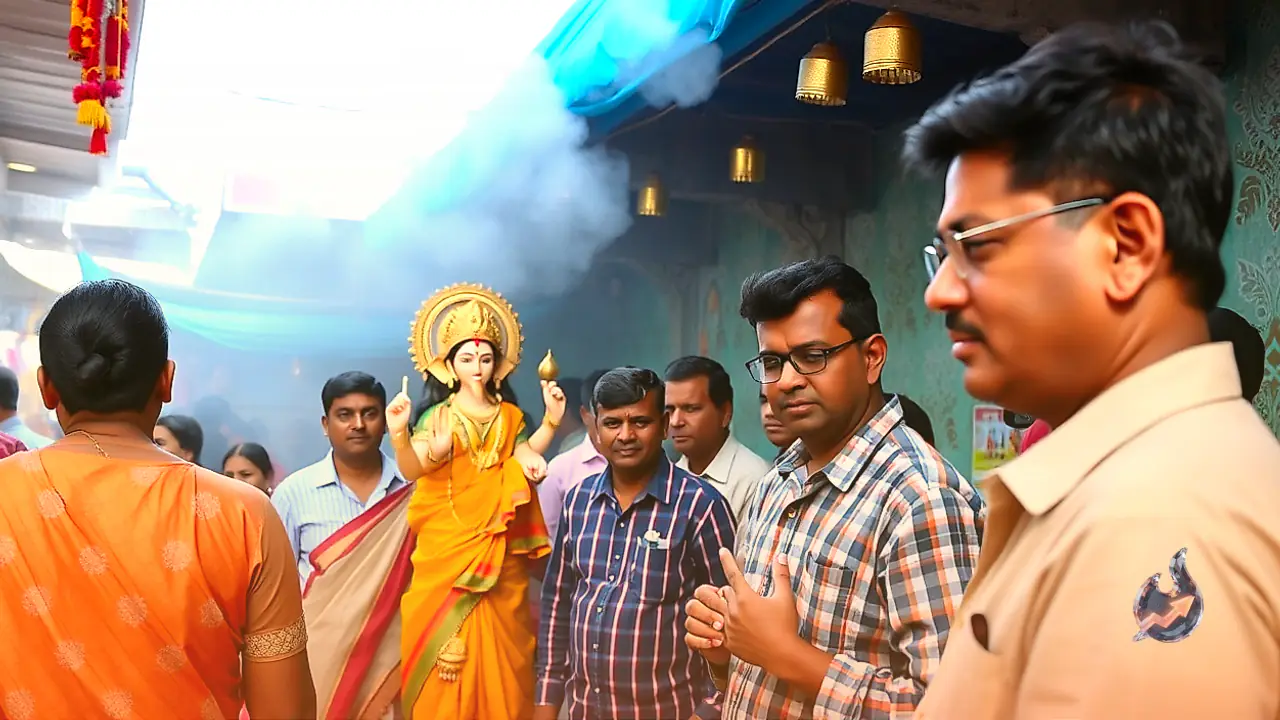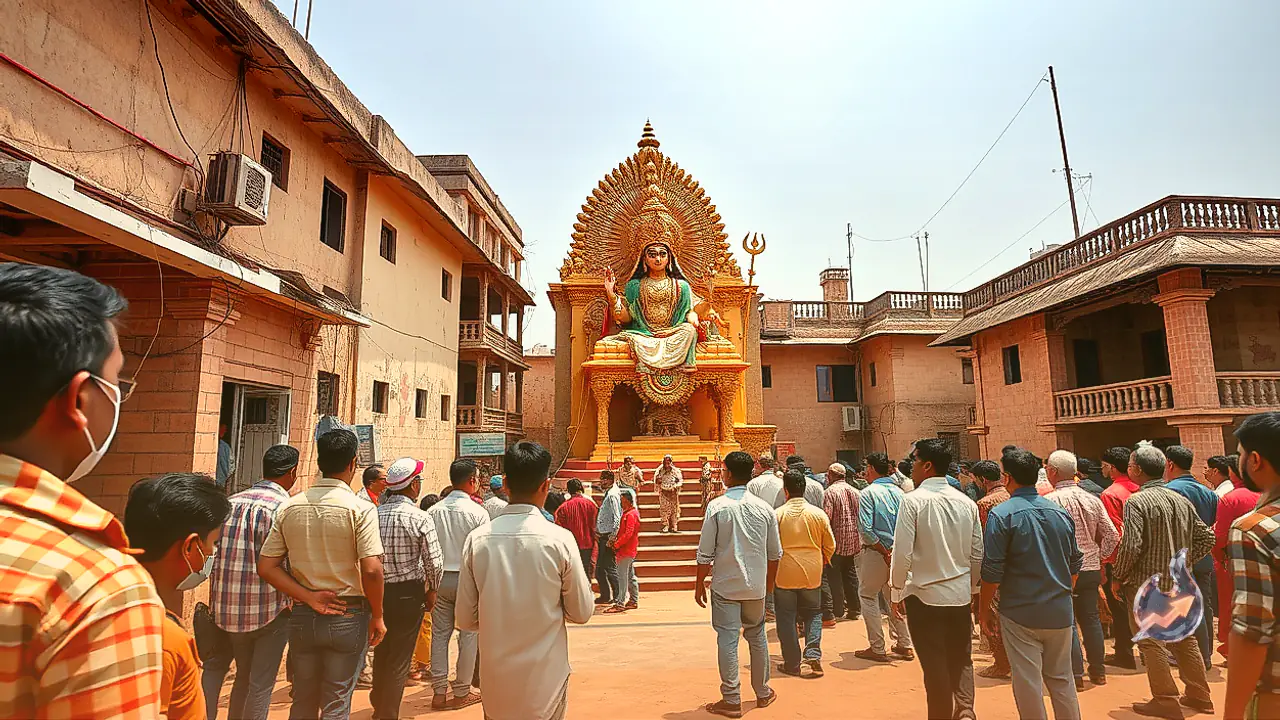

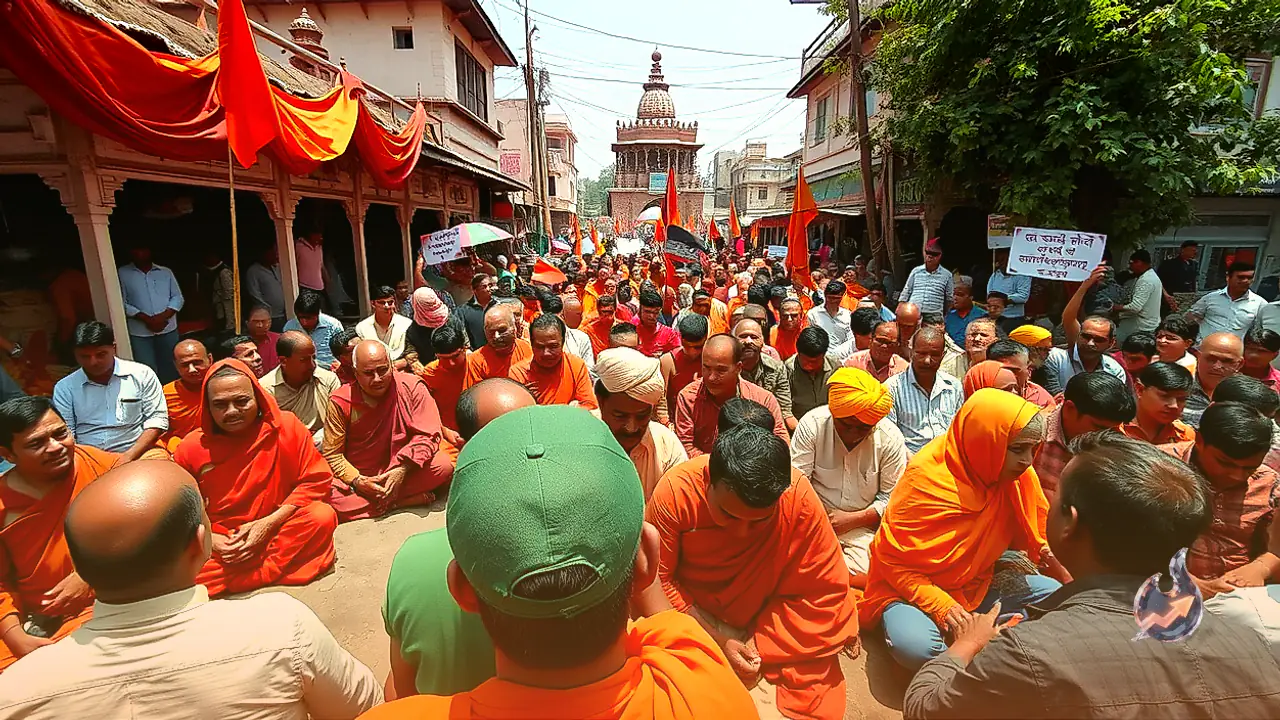
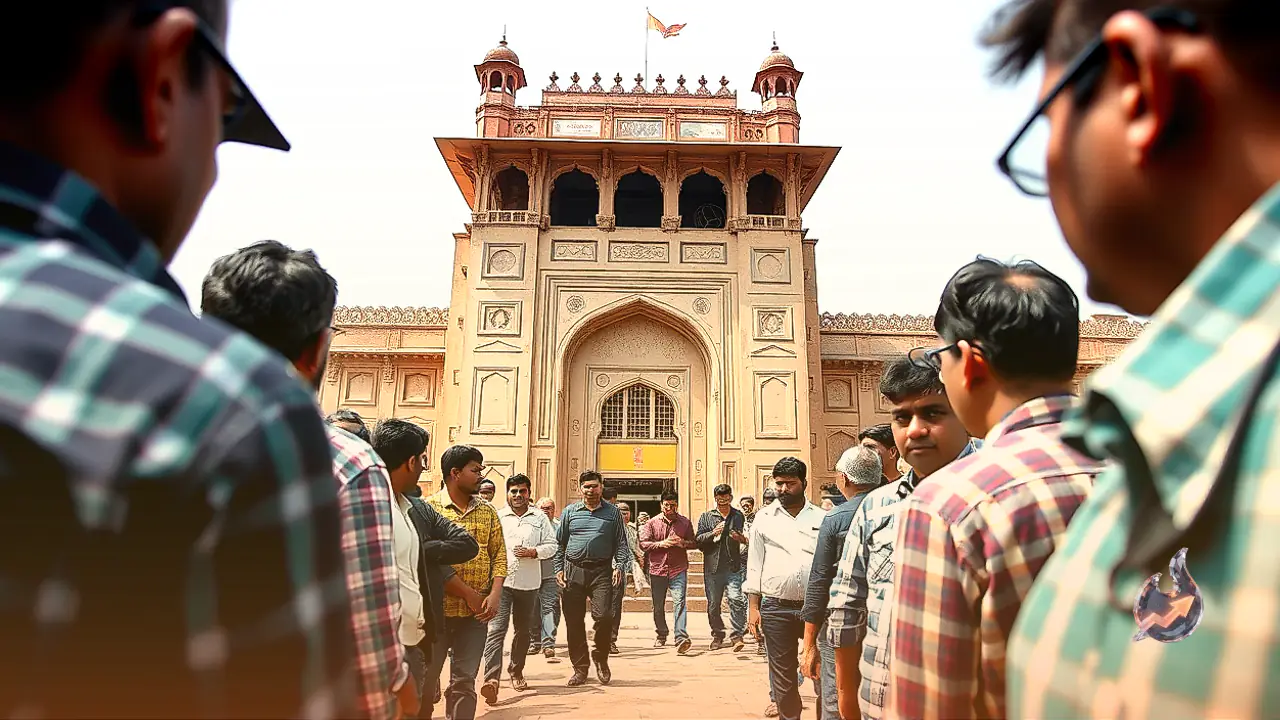



















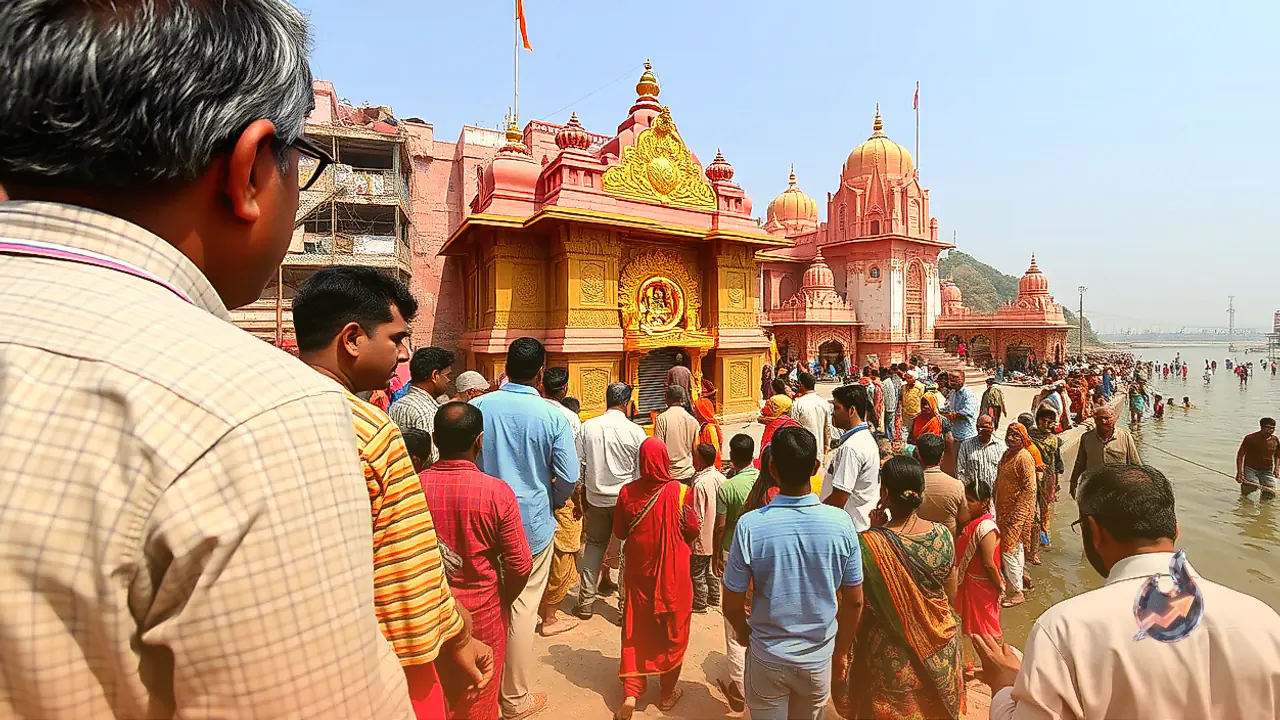

Nestled along the banks of the holy Ganges in Uttar Pradesh's Mirzapur district, Ramgaya Ghat holds widespread spiritual reverence across the country. Situated merely 500 to 700 meters from the revered Maa Vindhyavasini Temple, this sacred ghat is closely linked with the spiritual actions of Lord Rama. Devotional beliefs hold that after slaying Ravana and returning toward Ayodhya, Lord Rama journeyed to Mirzapur to conduct solemn ancestral offerings for his father, King Dasharatha. Performing the sacred rituals of pinda daan at this very riverbank, the site eventually came to be known after him as Ramgaya Ghat.
Scriptural Account Preserved in the Ananda Ramayana
According to scholar Acharya Pt. Anupam Maharaj of Vindhyadham, clear textual evidence of Lord Rama's presence in the holy region is found within the Ananda Ramayana. The text explains that during his period of exile, Rama traveled through the Vindhyachal mountains and spent a substantial amount of time residing in the vicinity. During this period, he became spiritually aware that his father had passed away. Because King Dasharatha's demise was brought on by intense grief over separation from his son, it was regarded as an untimely passing.
Upon realizing this truth, Lord Rama conducted solemn ancestral rites on a sacred rock resting beside the Ganges, just a short distance from the site of the Vindhyachal temple. Tradition narrates that King Dasharatha manifested in spirit form upon that very stone to receive the oblations.
Consecration of Rameshwar Mahadev and Liberation from Spirit Form
At this location, Lord Rama completed the entire cycle of ancestral rites, encompassing pitru shraddh, tarpana, and pinda daan. Through these rituals, King Dasharatha was freed from the wandering state of a spirit and elevated into the ancestral realm. In addition to offering prayers and worship at the shrine of Goddess Vindhyavasini, Lord Rama established the sacred shrine of Rameshwar Mahadev. This temple stands today as historical and spiritual testimony to the rites conducted by Rama on these banks.
The sacred Preta Shila, the stone slab where Lord Rama performed the memorial rituals for his father, remains preserved at the ghat. Alongside it, the revered charan paduka of Lord Rama is installed, attracting pilgrims seeking blessings and spiritual solace.
Relief from Pitru Dosha and Lineage Obstacles
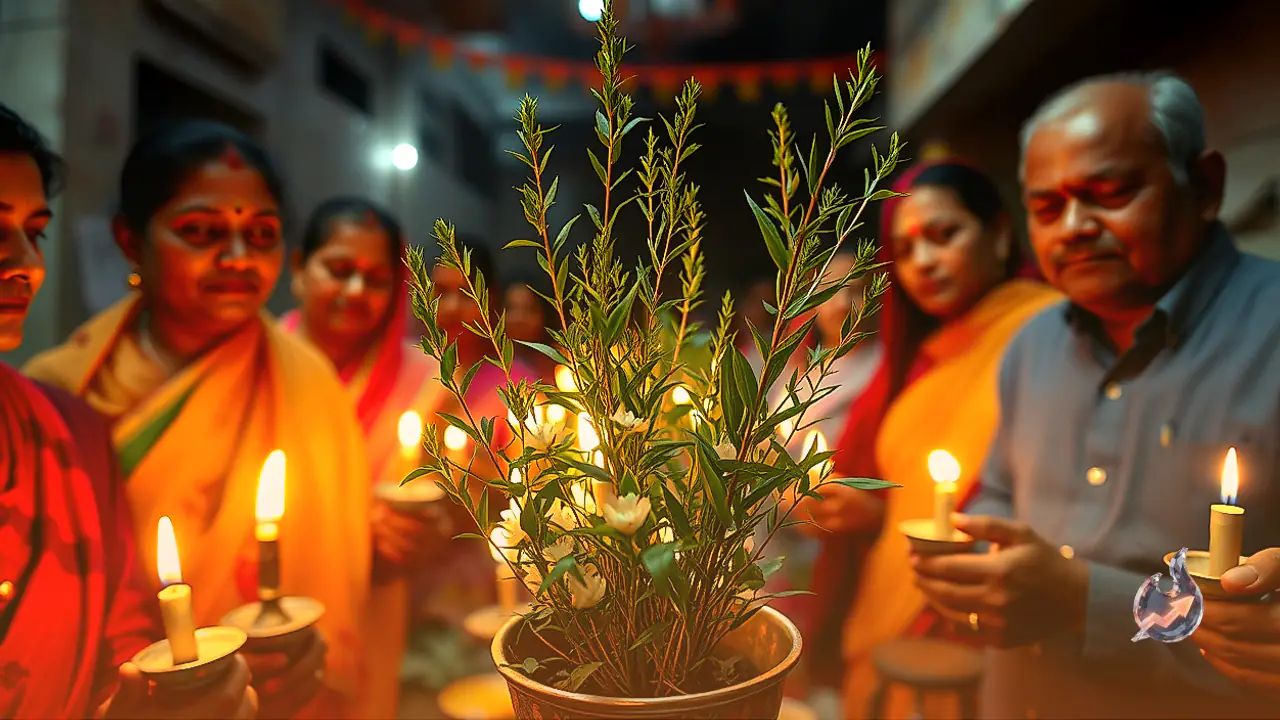
Puranic lore and enduring ritual traditions consider this ghat an exceptionally auspicious destination for performing ancestral offerings. Pt. Anupam Maharaj highlighted that families performing pinda daan here find deliverance from pitru dosha and related afflictions. For individuals facing hurdles in childbearing, persistent financial debt, or lingering domestic friction, conducting the tripindi shraddh at this riverside shrine is considered highly efficacious. Performing faithful tarpana and shraddh ceremonies here is believed to clear deep-seated lineage encumbrances and bring lasting domestic peace.