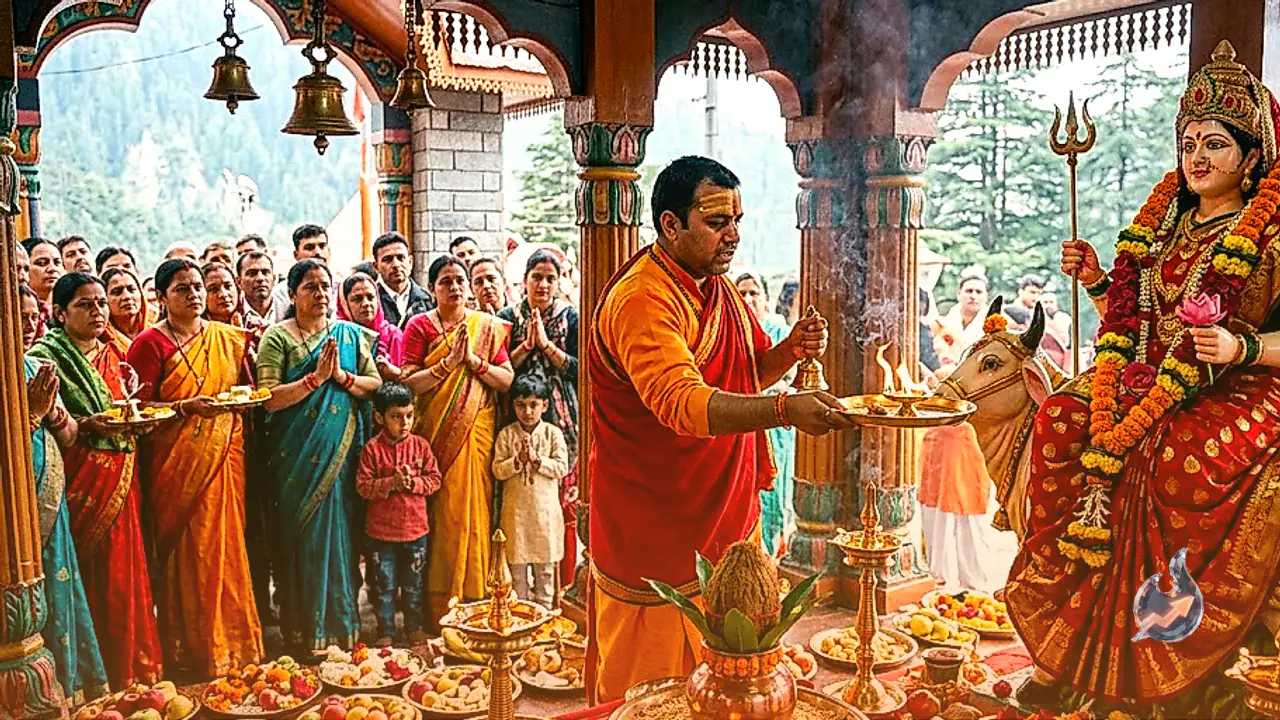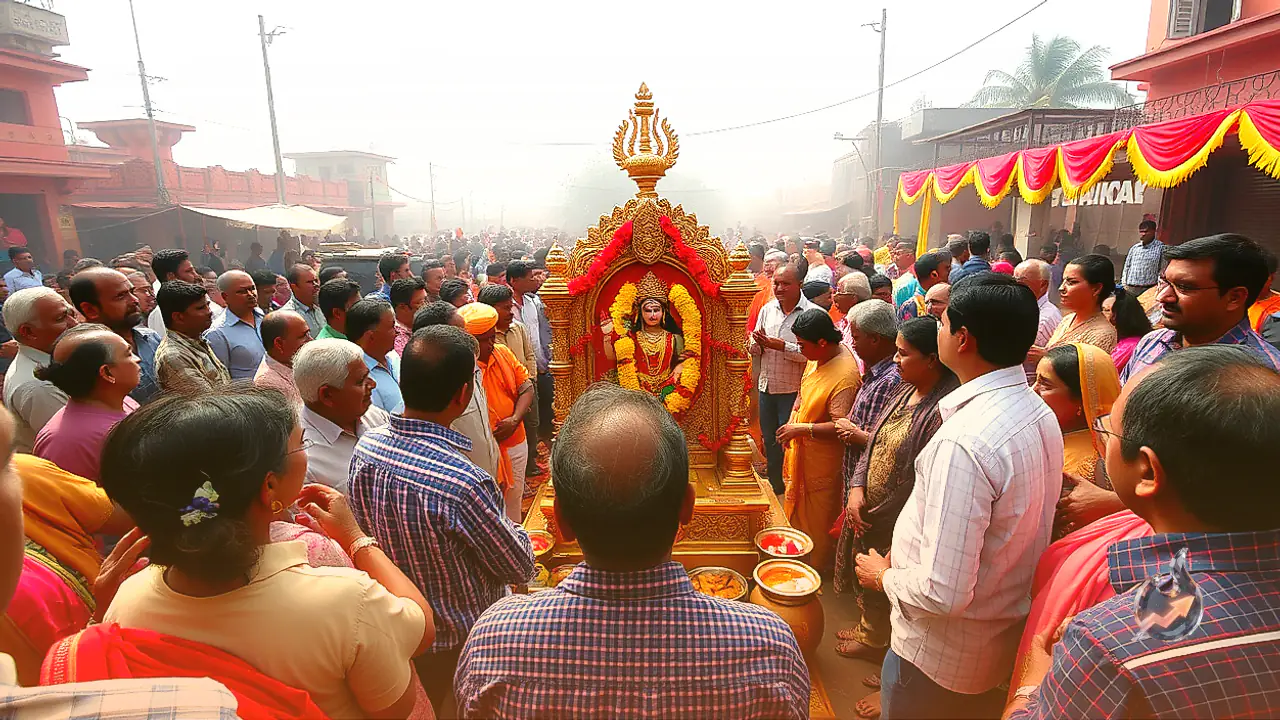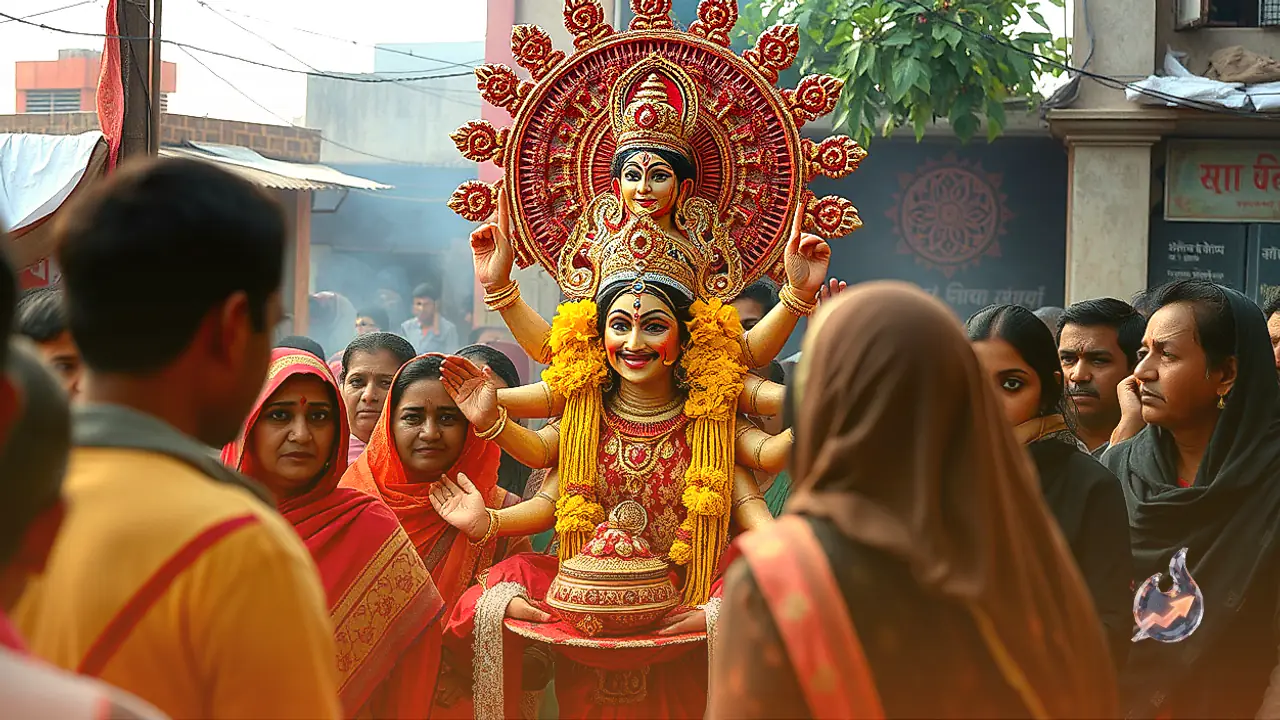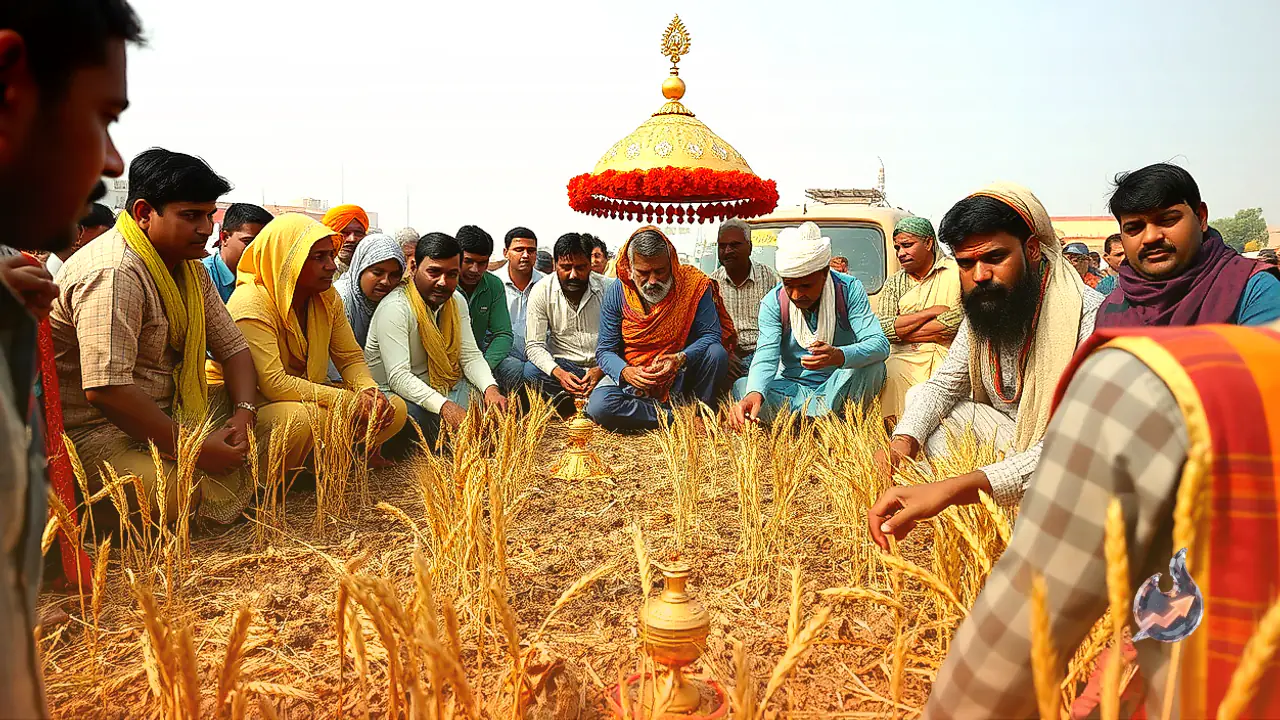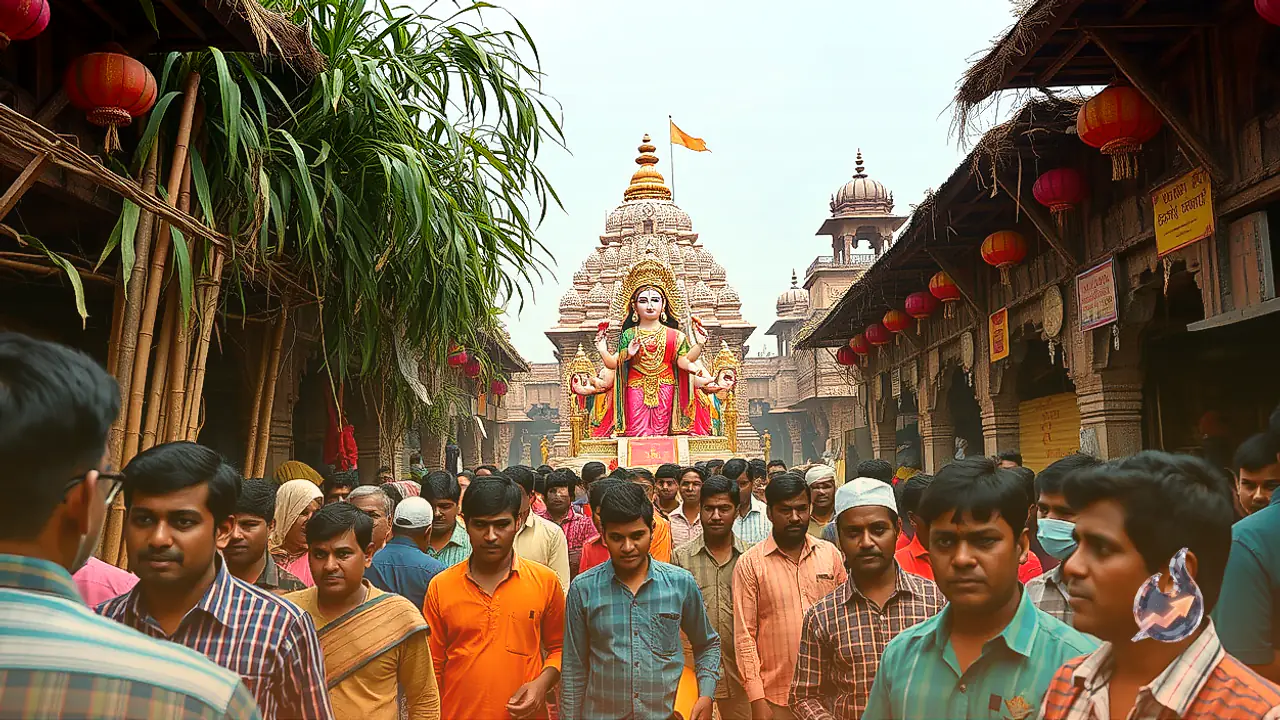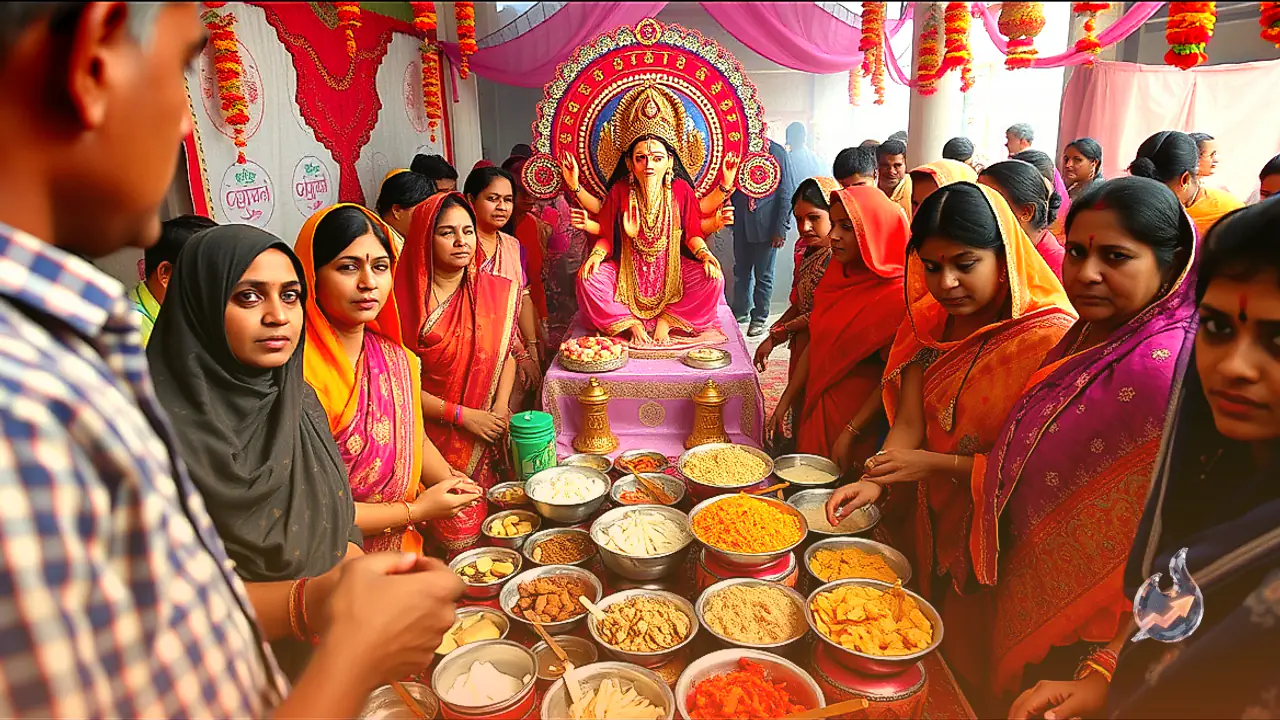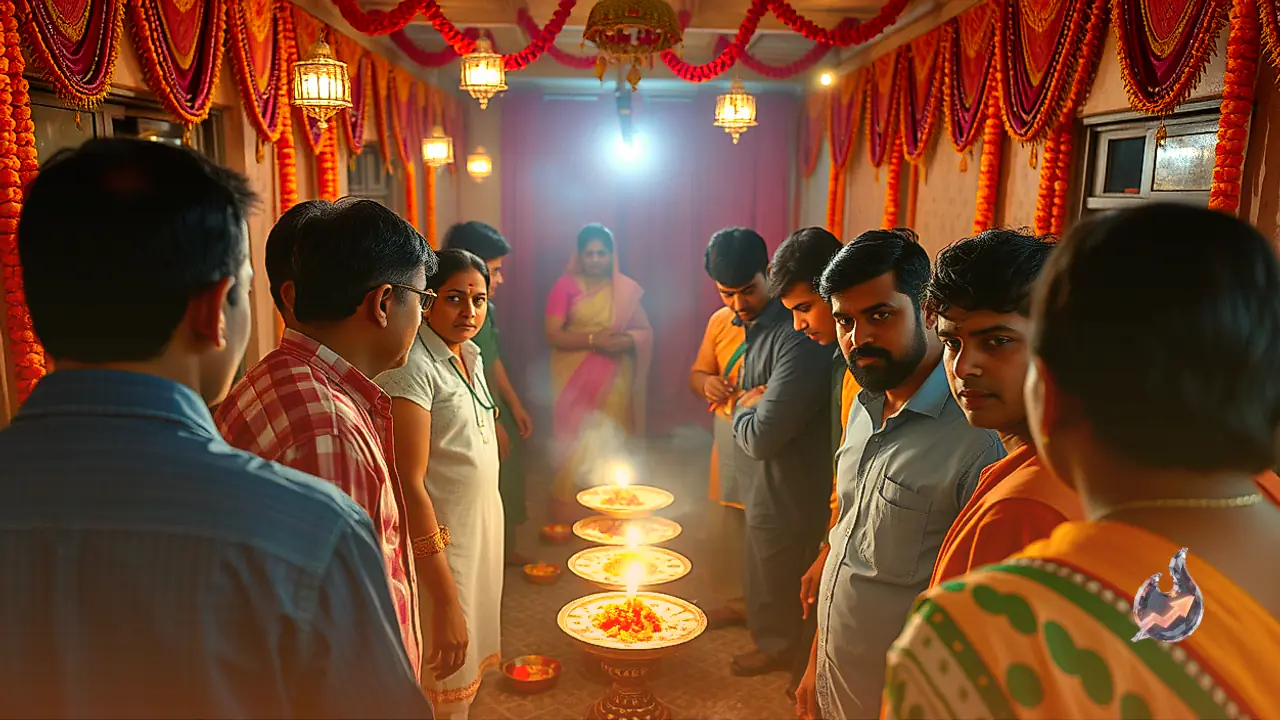





















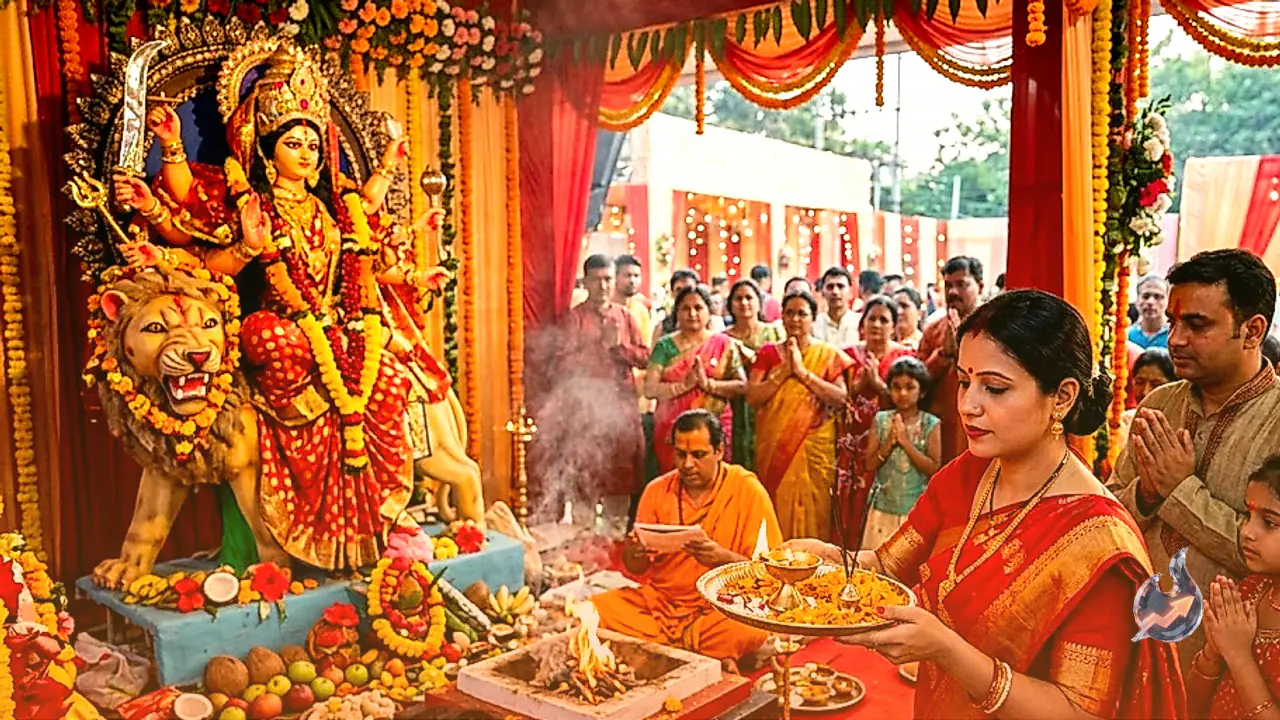

Within the traditions of Sanatana Dharma, the nine sacred days of Navratri represent the most auspicious period for worshipping divine feminine power. Religious beliefs hold that during this sacred interval, Goddess Durga descends to Earth, showering immense benevolence upon devotees who engage in earnest spiritual practices. Worshipping the supreme mother across these nine days is believed to fulfil heartfelt aspirations and alleviate worldly afflictions. The Shardiya Navratri festival in 2026 is scheduled to commence on October 11 and conclude on October 20. Engaging in devout recitation of hymns, scriptural mantras, and traditional devotional songs during this timeframe brings immense spiritual merit.
Spiritual Essence of Shri Durga Stuti
Reciting the sacred Durga Stuti during Navratri provides profound peace of mind while dispelling physical, worldly, and spiritual sorrows. The hymn reveres the supreme goddess as the primal creative energy, the slayer of the demon Mahishasura, and the benefactor of joy across the three realms under the forms of Uma, Rama, Gauri, and Brahmani. Embodying Mahalakshmi and Mahamaya, the entire cosmos rests within her being. She governs the three fundamental cosmic qualities of Sattva, Rajas, and Tamas, while presiding across past, present, and future.
The composition notes that celestial deities, including Vishnu, Shiva, Brahma, and Indra, depend entirely upon her supreme authority to accomplish cosmic duties. Recalling her revered nine forms worshipped throughout Navratri, such as Shailputri, Brahmacharini, Chandraghanta, Kushmanda, Skandamata, Katyayani, Kalaratri, and Mahagauri, the entire universe seeks sanctuary at her feet. As the granter of accomplishments and spiritual wealth, she is eternal, birthless, and the embodiment of wisdom. Bestowing happiness, fame, and abundance upon earnest seekers, she rides a lion, obliterates suffering, and rescues souls from worldly bindings.
Key Mantras for Navratri Devotion
Chanting sacred scriptural verses with precision and deep devotion forms a vital core of daily Navratri worship. Two foundational verses carry distinct spiritual significance
- Universal Auspiciousness Verse: Sarva Mangala Mangalye Shive Sarvartha Sadhike, Sharanye Tryambake Gauri Narayani Namostute. This prayer reveres Narayani, the auspicious giver of all attainments and the three-eyed divine protector.
- Primal Energy Verse: Ya Devi Sarva Bhuteshu Shakti Rupena Samsthita, Namastasyai Namastasyai Namastasyai Namo Namah. This invocation offers salutations to the divine feminine presence residing within all living beings in the form of raw spiritual strength.
The Significance of Shri Ambe Gauri Aarti
Every ceremonial worship concludes with the singing of the traditional Aarti. The revered prayer 'Jai Ambe Gauri' paints a detailed picture of the mother goddess's celestial form and heroic deeds. Adorned with vermilion and musk on her forehead, her eyes gleam brightly, and her countenance shines like the glowing moon. Draped in radiant red garments over a golden complexion, she wears garlands of crimson flowers around her neck.
Mounted upon a lion while holding a sword and sacred vessel, she dispels the sorrows of sages and mortals alike. Her ears are decorated with ornate earrings, a pearl graces her nose, and her effulgence rivals millions of suns and moons combined. She vanquished ferocious demons including Shumbha, Nishumbha, Mahishasura, Chanda, Munda, Raktabija, Madhu, and Kaitabha, freeing celestial beings from fear. Described as the consort of Shiva and praised in ancient texts, sixty-four Yoginis sing auspicious chants while Bhairava dances to the rhythm of drums. Swami Shivananda proclaims that whoever devoutly performs this Aarti with camphor on a golden platter is blessed with enduring happiness and prosperity.