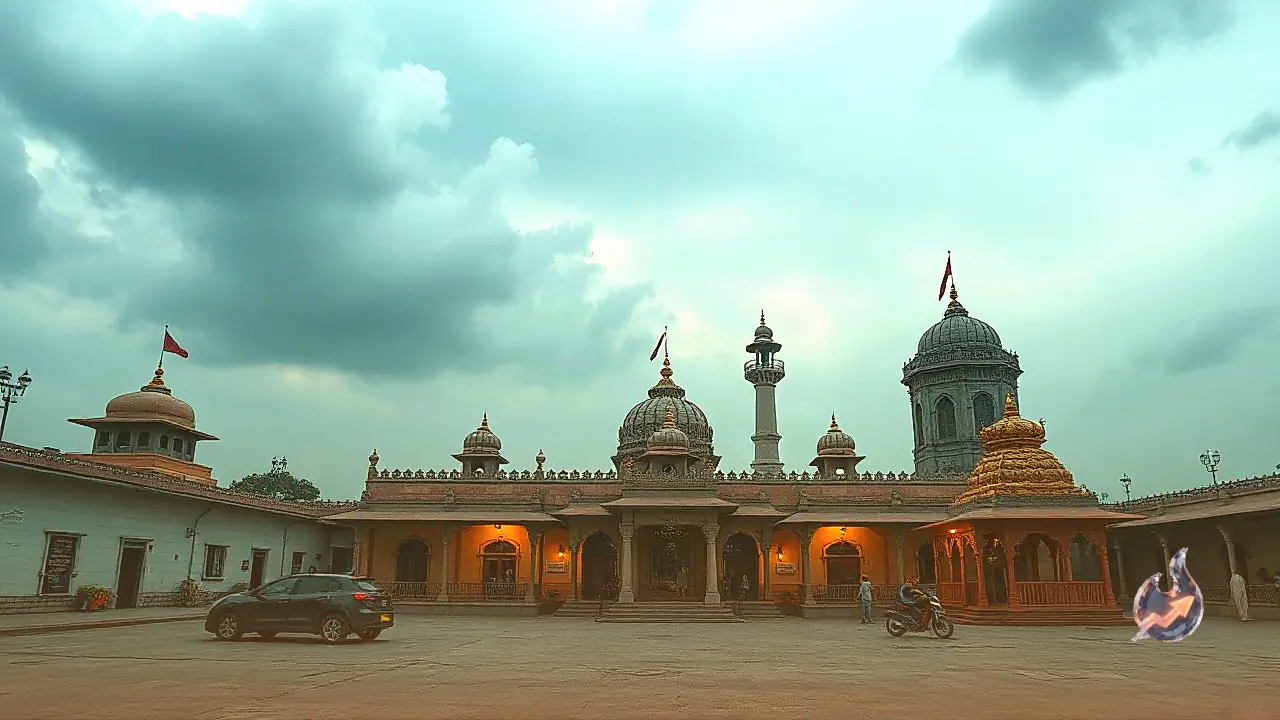






















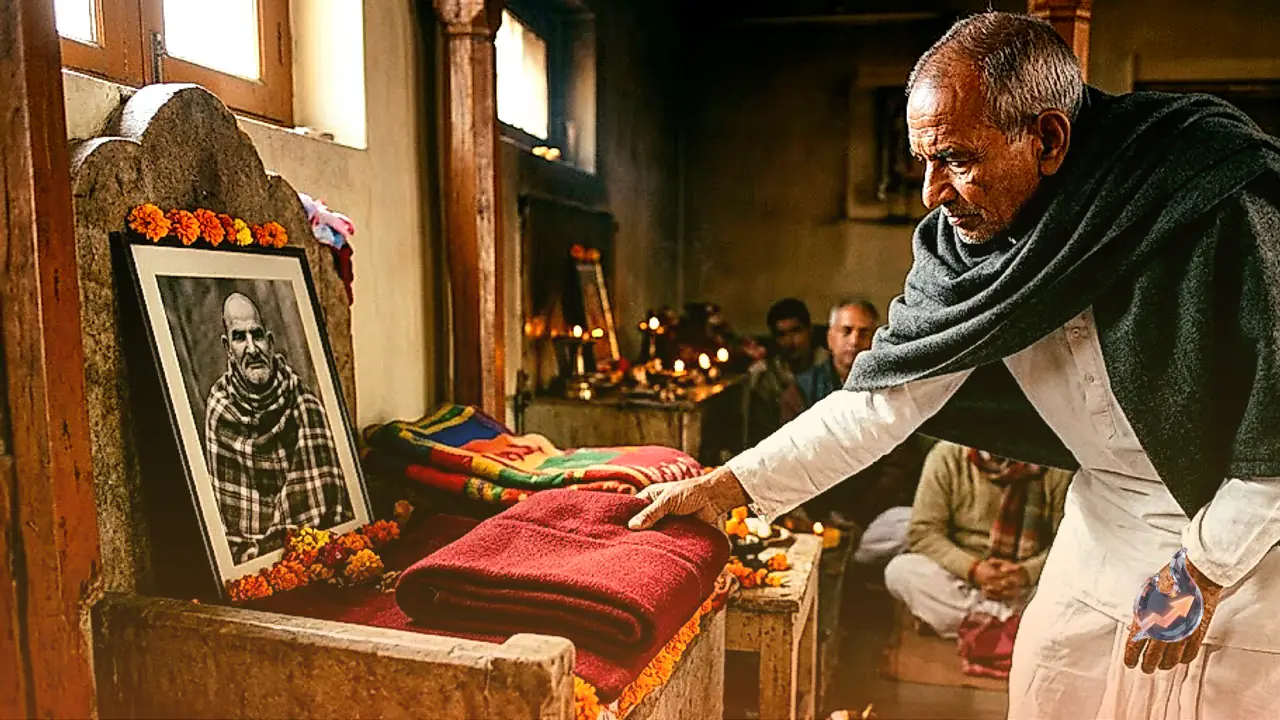

The recent release of the cinematic work Hanuman Ansh has sparked widespread interest among devotees seeking a deeper understanding of the life and spiritual miracles associated with Neem Karoli Baba. Known across the world for his quiet grace and profound compassion, the revered saint was rarely seen without a simple, unadorned blanket wrapped around his shoulders, regardless of the changing seasons or weather conditions. This iconic attire has inspired generations of followers, prompting thousands of pilgrims who visit the sacred Kainchi Dham in Uttarakhand to offer blankets as a mark of reverence and gratitude. Behind this enduring tradition lies a fascinating history that blends deep spiritual symbolism with an extraordinary event recorded during the Second World War era.
Spiritual Symbolism and Hidden Divine Powers
Devotees and spiritual seekers have long contemplated why Neem Karoli Baba chose to wear a basic blanket throughout his life. Historically, the saint was depicted wearing either a light blue or neutral-colored blanket in most of his photographs. Within Indian spiritual traditions, light blue and subtle tones are frequently associated with tranquility, inner composure, and divine stability. Followers often interpret his choice of simple attire as a reflection of his absolute detachment from material comfort and worldly appearances.
Furthermore, a widely held belief among his inner circle of followers suggests that Neem Karoli Baba utilized the blanket as a veil to conceal his immense spiritual powers, known as siddhis. Rather than performing ostentatious displays of divine intervention, he preferred to work quietly beneath the modest folds of his blanket. Numerous anecdotes passed down through oral tradition describe instances where individuals suffering from severe physical ailments or emotional distress were covered with Baba's blanket, after which their pain miraculously subsided and their health was restored. This practice laid the groundwork for the belief that his blanket possessed transcendent healing properties.
The Legend of the Bulletproof Blanket in Miracle of Love
The mysterious nature of Neem Karoli Baba's blanket gained global prominence through the writings of Richard Alpert, a former American psychologist who later became known as Ram Dass after coming under Baba's spiritual guidance. In 1979, Ram Dass authored a celebrated book titled Miracle of Love, in which he chronicled various miraculous occurrences, teachings, and personal experiences related to Neem Karoli Baba. Among these chronicles was an extraordinary account that came to be known among devotees as the story of the bulletproof blanket.
In Miracle of Love, Ram Dass detailed how the saint's daily practice of wearing a simple blanket was inextricably linked to acts of divine intervention. The publication of this narrative brought international attention to the sacred traditions of Kainchi Dham. As photographs showing Baba draped in his customary blanket became widely circulated across India and abroad, pilgrims visiting the ashram began bringing blankets as sacred offerings, establishing a tradition that remains vibrant to this day.
The 1943 Fatehgarh Incident: A Night of Unseen Battle
The foundation of the bulletproof blanket legend rests upon a specific narrative dating back to 1943, during the height of global conflict. According to accounts cherished by followers, an elderly couple living in Fatehgarh, Uttar Pradesh, were staunch devotees of Neem Karoli Baba. On a particular evening, Baba arrived unexpectedly at their modest home and announced his intention to stay overnight. Thrilled by the unexpected honor, the elderly couple welcomed him with immense devotion, served him a night meal, and prepared a wooden cot covered with a blanket for his rest.
After retiring to their own quarters, the host couple found themselves unable to sleep. Throughout the night, painful groans and sounds of intense physical agony echoed from the room where Baba was resting beneath his blanket. Distressed and deeply concerned, the husband and wife sat near his room in vigil, sensing that Maharaj ji was enduring severe blows or physical trauma. However, out of deep reverence and hesitation, they refrained from interrupting him or removing the blanket to investigate.
Immersion of the Blanket and the Soldier's Return
When morning broke, Neem Karoli Baba arose from his bed and carefully rolled up the heavy blanket he had used overnight. Handing the bundled blanket to the elderly couple, he instructed them to carry it directly to a nearby river or body of water and immerse it completely without unfolding or inspecting its contents. Before departing from their residence, Baba offered comforting words to the weeping couple, assuring them that their son would return home safely within a month's time, urging them not to harbor any worry.
Faithful to the saint's command, the couple promptly submerged the blanket in water as instructed. Exactly as foretold, roughly one month later, their son returned home unharmed. The young man was a soldier serving in the military on a perilous battlefront. Upon his return, he shared a gripping account of an engagement that had taken place about a month earlier—on the exact night Baba had stayed at his parents' house in Fatehgarh.
The soldier recounted that enemy forces had surrounded his military unit under the cover of darkness, launching a fierce, night-long barrage of gunfire and heavy shelling. By morning, every single soldier in his unit had been killed, leaving him as the sole survivor. He expressed complete bewilderment over how he managed to survive the intense fire without sustaining a single bullet wound or injury. Connecting the exact timing of the battlefield ordeal with Baba's night of unexplained agony, the elderly couple realized that Neem Karoli Baba had absorbed the incoming bullets onto himself beneath the blanket, taking the soldier's fatal peril upon his own body.
The Tradition of Offering Blankets at Kainchi Dham Today
Following this miraculous occurrence, the story of the protective blanket spread rapidly among devotees across Northern India. Although no formal historical documentation or scientific verification of the 1943 incident exists outside faith-based memoirs and oral tradition, the story holds profound spiritual significance for millions of believers. It exemplifies the core spiritual philosophy associated with Neem Karoli Baba—that a true spiritual master selflessly absorbs the suffering of his devotees to protect them from harm.
Today, the tradition of offering blankets at Kainchi Dham in Uttarakhand serves as a living tribute to this legacy of selfless protection. Pilgrims travel from distant places to present new blankets at the temple complex, seeking spiritual solace, protection for loved ones, and blessings of peace. What began as a simple garment worn by a humble saint has thus transformed into an enduring emblem of faith, divine grace, and compassionate protection.