























A new wave of private aerospace companies in India is rapidly advancing toward major milestones in satellite deployment, rocket reusability, and orbital monitoring, energized by the recent triumph of Skyroot Aerospace. The successful launch of the Vikram-1 rocket has not only marked a proud moment for the country but has also set a high benchmark for the domestic space industry. By breaking monopolies and showcasing indigenous engineering, these startups are proving that India is ready to compete for a larger share of the lucrative global commercial space market.
Skyroot's Fast Track to Orbit
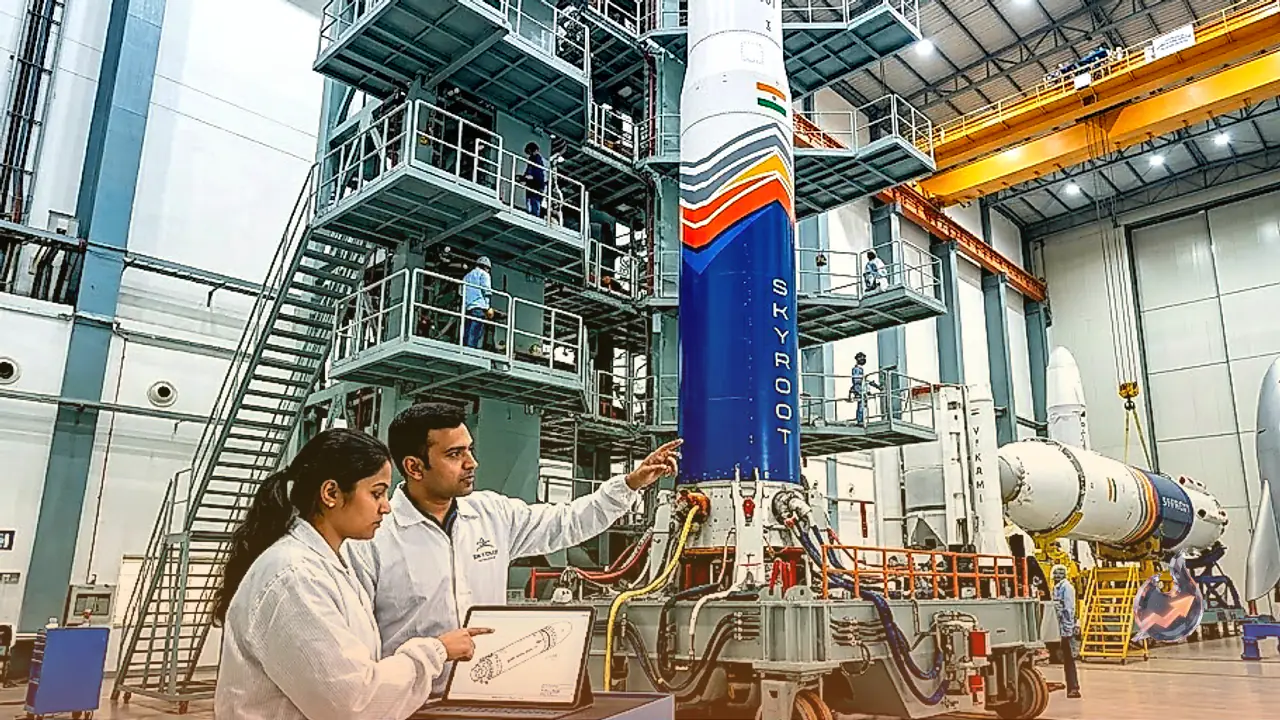
Skyroot Aerospace achieved a historic feat with Vikram-1, remarkably succeeding on its very first attempt. This precision stands in stark contrast to the world's largest private space entity, SpaceX, which famously faced three failures before securing a successful orbital launch. Founded in 2018 by former ISRO engineers Pawan Kumar Chandana and Naga Bharath Daka, Skyroot was perfectly positioned to accelerate its orbital rocket development following the landmark opening of the Indian space sector to private players in 2020. The company had previously laid the crucial groundwork by launching the sub-orbital Vikram-S rocket in 2022, proving their core propulsion technologies.
Driven by this immense momentum, Skyroot is actively preparing for another test launch of Vikram-1 before the end of the current year to validate further systems. The company's ambitions stretch even further into heavy-lift territory, with robust plans to introduce the larger Vikram-2 rocket by the end of next year. This upcoming vehicle will be capable of carrying substantial payloads of up to 1,000 kilograms into orbit. Ultimately, Skyroot is building the manufacturing infrastructure and operational capacity to roll out and launch one rocket every single month, aiming to provide a massive, reliable boost to global commercial satellite deployment.
Agnikul Cosmos Eyes Reusability
In Chennai, the fast-growing startup Agnikul Cosmos is gearing up for its own major breakthrough with 'Mission 02', officially scheduled within the next year. This highly anticipated mission will carry small customer satellites to space while simultaneously attempting a safe, controlled landing of the Agnibaan rocket's first stage booster. This bold maneuver will represent the first orbital-class rocket recovery effort by any private Indian company, a complex engineering challenge that has eluded many global players.
By adopting reusable technology similar to the revolutionary methods pioneered by SpaceX, Agnikul aims to significantly drive down the exorbitant costs traditionally associated with space travel. Following the critical tests of Mission 02, the company plans to execute three to four back-to-back missions in quick succession. This rapid launch cadence is specifically designed to make satellite launches from India both more affordable and highly frequent, elevating the nation's space industry to new heights and attracting international clientele.
Dhruva Space Scales Satellite Production
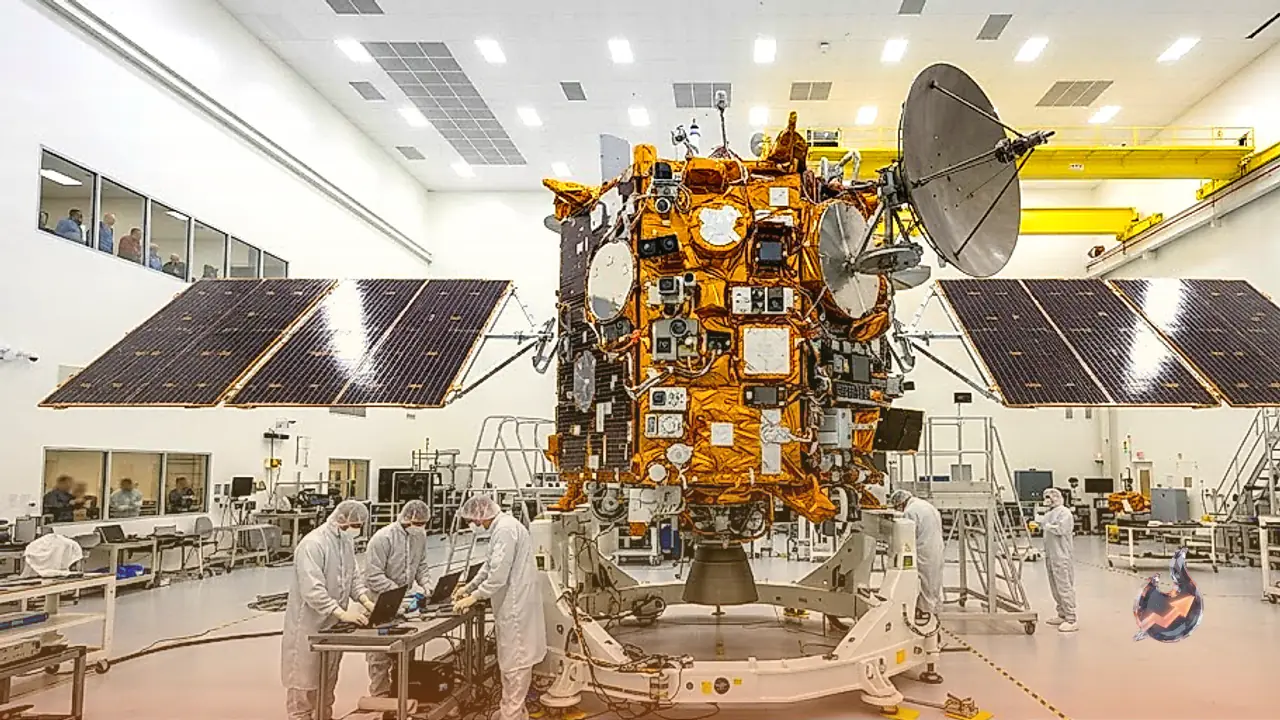
Beyond launch vehicles, India's satellite manufacturing sector is also witnessing explosive growth. Dhruva Space, operating out of Bengaluru and Hyderabad, specializes exclusively in creating small, nano, and mini satellites for diverse applications. Starting next year, the company will initiate full-scale mass production lines, developing the unprecedented capacity to manufacture one large satellite every month and assembling smaller nano satellites on a weekly basis.
Dhruva Space anticipates having approximately 22 satellites fully ready for launch within the next two years, fulfilling a growing backlog of orders. Looking further ahead, their long-term manufacturing roadmap envisions producing between 500 and 600 satellites annually. To facilitate the rapid, seamless deployment of satellite constellations in India, the startup is also actively developing standardized, ready-to-fly platforms like the P-30, which dramatically reduces the time from concept to orbit for their clients.
Advanced Imaging and Space Safety
Other Indian firms are carving out highly profitable niches in specialized orbital services and data collection. Digantara is heavily focused on the crucial field of space traffic monitoring and orbital safety. The company plans to deploy a dedicated constellation of 17 satellites by 2027 to keep a watchful eye on objects and debris moving through space. They are aggressively preparing to offer live tracking data by the end of this year, a critical service for monitoring active satellites, preventing collisions, and ensuring long-term space sustainability.
In the realm of earth observation, Pixxel and Digantara are consistently pushing technological boundaries. Bengaluru-based Pixxel is actively constructing a massive network of 100 satellites, with intricate work commencing on more than 50 of them starting next year. These specialized high-resolution satellites are designed to capture incredibly clear and detailed hyperspectral images of the Earth, providing crucial, actionable data for agriculture, mining, and urban planning. Meanwhile, GalaxEye and TakeMe2Space are developing highly advanced satellites equipped with cloud-penetrating radar and night-time imaging capabilities, ensuring crystal-clear photographs can be taken regardless of adverse weather conditions or the time of day. Together, this diverse, highly specialized ecosystem of startups is securing a powerful and permanent position for India within the multi-billion dollar global space economy.