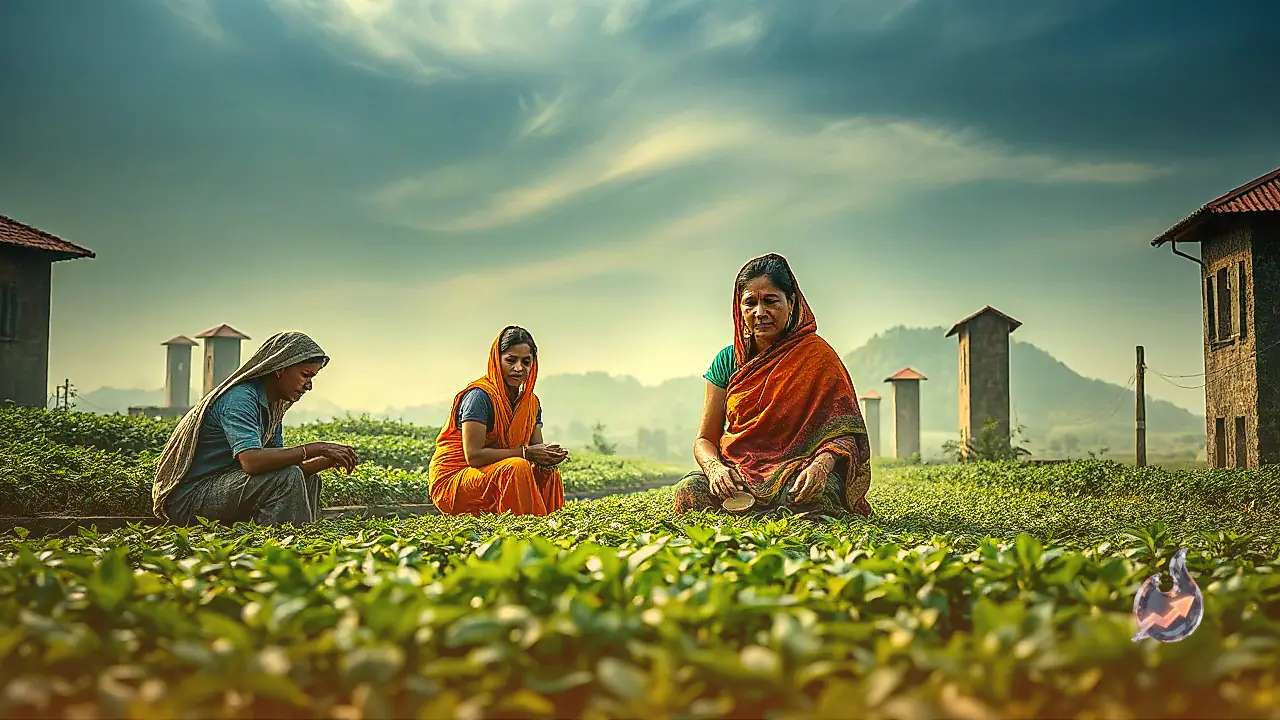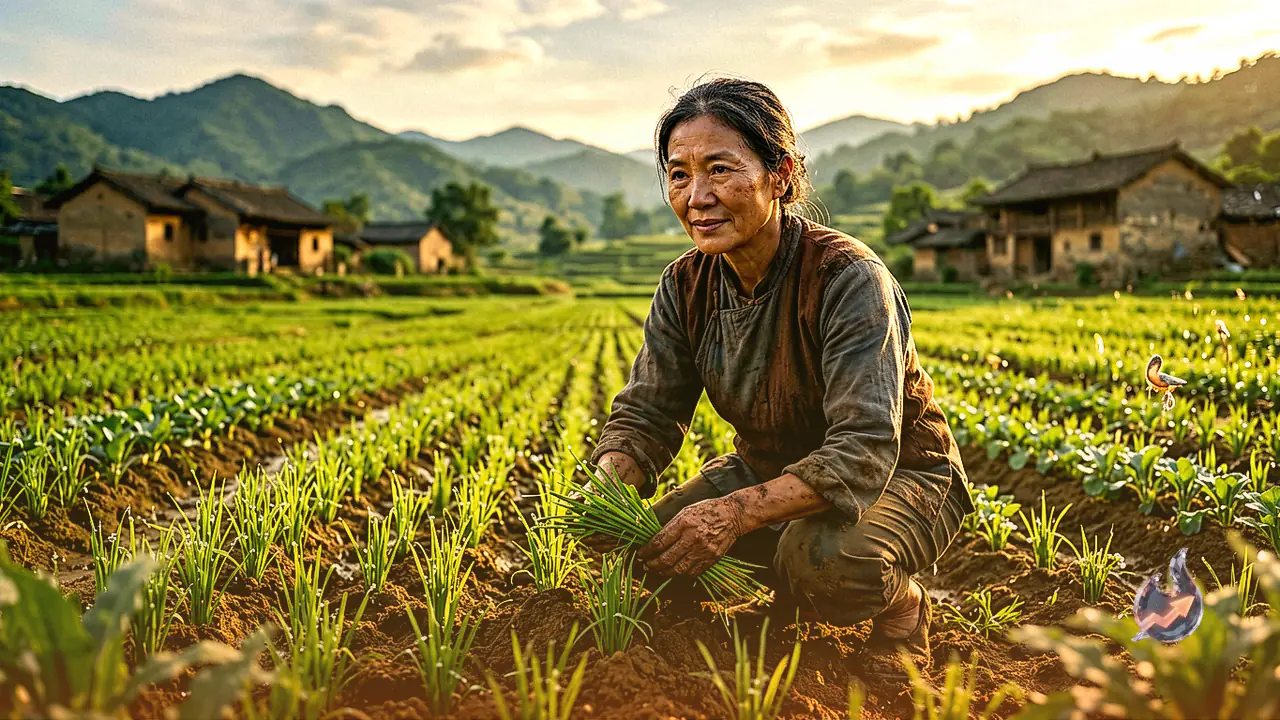




















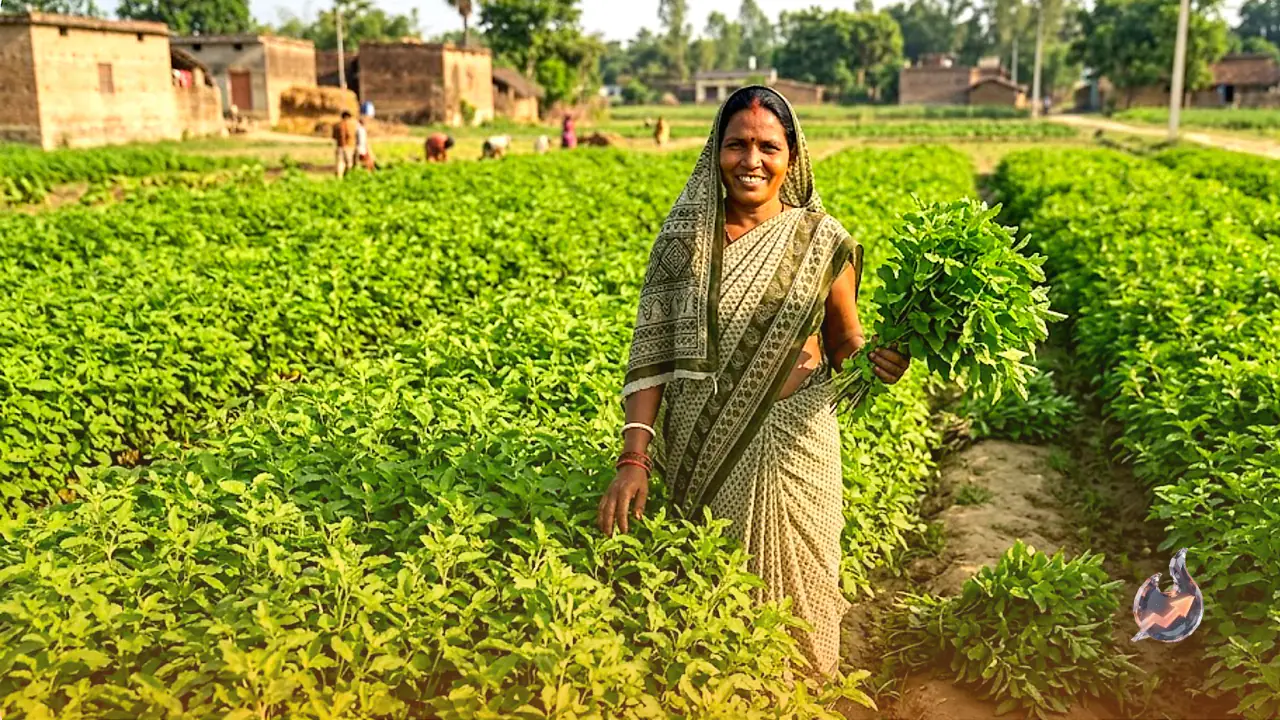

A woman farmer in Uttar Pradesh's Azamgarh district is quietly rewriting the rules of profitable farming, one tulsi harvest at a time. Ranjana Maurya, who lives in Haripur village, has turned a modest patch of her land into a thriving basil farm that brings her lakhs of rupees every season, and she manages this with surprisingly little labour and a fairly small cost outlay.
Farmers are moving beyond traditional crops
Across the country, farmers are no longer confining themselves to wheat, paddy and other traditional grains. A growing number of them are shifting toward crops that promise bigger returns in a shorter span of time and at a lower cost, which is why vegetables, fruits and cash crops are now being grown on a much larger scale than before. In Azamgarh too, several progressive farmers have gone beyond vegetables and flowers to take up commercial tulsi cultivation, drawn by the crop's strong profit margins, its relatively low risk and the steady buyer interest it attracts.
Medicinal demand keeps pharma and cosmetic buyers coming
Tulsi's medicinal properties make it a key ingredient in a wide range of medicines, syrups and cosmetic products, and that demand has made it an increasingly attractive crop for farmers looking for a dependable income. Large trading firms and companies buy the crop straight from farmers' fields because of this steady requirement, which spares growers the trouble and expense of dealing with middlemen. A number of farmers in Azamgarh have tapped into this consistent demand to build a reliable, profitable income stream from tulsi alone.
Three bighas, nine to ten quintals every season
Ranjana Maurya of Haripur village follows the same path, but on a scale that stands out among her peers. She grows tulsi exclusively on roughly three bighas of land, and that modest plot yields her about 9 to 10 quintals of produce every single season. She says demand for tulsi plants shoots up sharply in the summer months, so she plans and times her sowing carefully to make sure she cashes in on that seasonal spike every year without fail. What makes her operation easier still is that she never has to hunt around for buyers, her entire harvest goes straight to a Farmer Producer Company, commonly known as an FPO.
Ready to harvest in just 90 days, savings of up to Rs 1.5 lakh
Ranjana believes tulsi farming can be a genuinely excellent source of income for fellow farmers looking for an alternative to conventional crops. Selling her crop each season nets her savings of roughly Rs 1 lakh to Rs 1.5 lakh without much difficulty, a figure she says comes from a method that is refreshingly simple to follow. What she finds most encouraging is how little labour the crop demands compared with other crops she could have chosen to grow instead. The field is first ploughed thoroughly to prepare the soil, after which tulsi saplings are transplanted into it. Ranjana explains that just 90 days after transplanting, the crop is fully ready for harvest, at which point she cuts it herself and sells it directly to the company that has already agreed to take her supply.
Van Tulsi is the variety every buyer wants
Nearly every variety of tulsi carries some medicinal value, but most farmers in Azamgarh prefer to grow the Van Tulsi variety specifically. It is this variety that commands the highest demand both in the open market and among big companies, which is why Van Tulsi is the crop you will most often see thriving and swaying across the fields of the region.