


















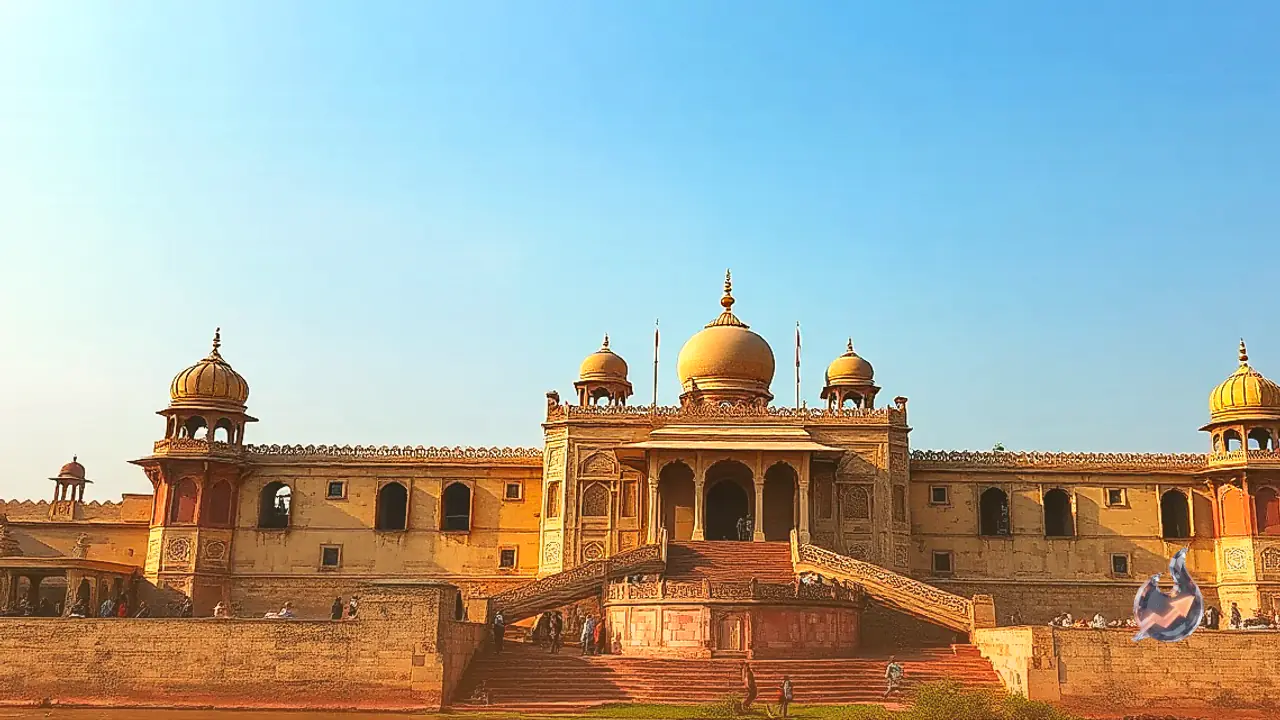

The Burhanpur district of Madhya Pradesh holds a remarkably rich historic legacy within its realm. Standing along the serene banks of the Tapti River, the majestic Shahi Qila serves as a living testimony to the region's glorious past. This historic fort was once the royal residence of Mughal Emperor Shah Jahan, who regularly convened his imperial court here. Today, the impressive landmark continues to draw scores of travelers from across the nation and around the globe.
Shah Jahan's Imperial Court and Evening Musical Gatherings
During the period when Shah Jahan resided in Burhanpur, the Shahi Qila displayed immense grandeur and royal magnificence. Official court sessions took place inside the fortress daily to address governance and administrative affairs. As twilight set in each evening, the expansive fort grounds transformed into vibrant cultural venues hosting music and entertainment gatherings. Melodious tunes echoed throughout the complex, creating a magical ambience. Visitors walking through the fort today can still envision the opulent lifestyle and artistic celebrations of that historic era.
Mumtaz Mahal's Final Days and the Origin of the Taj Mahal
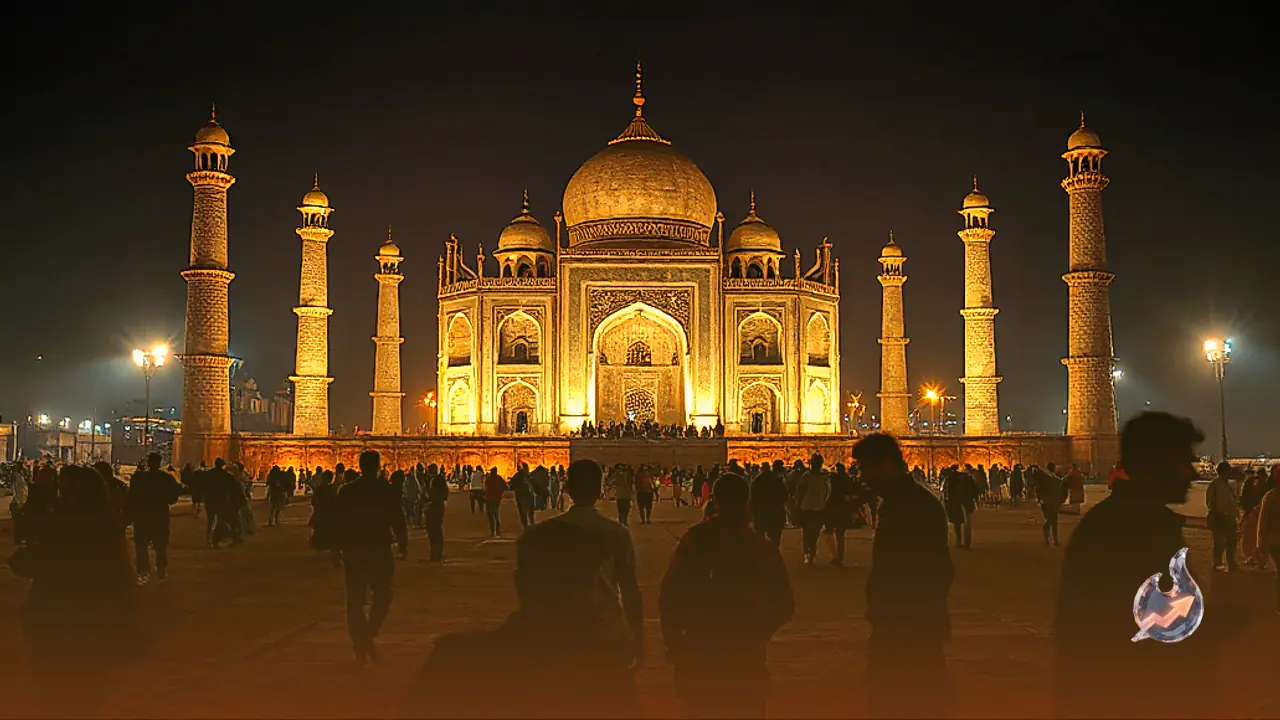
The historical significance of this Burhanpur fort is deeply intertwined with the life of Shah Jahan's beloved wife, Mumtaz Mahal. According to historical records, Mumtaz Mahal breathed her last on this very land in Burhanpur while giving birth to her 14th child. Consequently, Burhanpur occupies a crucial place in Indian history. Following her demise, her mortal remains were initially kept in Burhanpur for a period before being moved to Agra. In Agra, Emperor Shah Jahan commissioned the construction of the world-renowned Taj Mahal in her memory. Travelers exploring Agra who learn about the Taj Mahal and the history of Shah Jahan and Mumtaz often journey to Burhanpur to trace these historic origins.
Lush Ambience, Online Ticketing, and Tourist Facilities
The Shahi Qila in Burhanpur is far more than an ancient stone monument; it is a cherished sanctuary holding the historic memories of Shah Jahan and Mumtaz. Well-maintained gardens, abundant greenery, and a peaceful atmosphere surround the fortress, captivating every visitor. A tourist named Sunny, who visited with his family to enjoy the pleasant weather, highlighted that the fort's main attraction lies in its deep historical connection to Shah Jahan and Mumtaz Mahal. Today, entry to the monument requires a ticket, with local authorities digitizing the payment process through barcode scanning. The entry fee for domestic tourists is set at ₹50, whereas foreign visitors pay a higher admission fee.