




















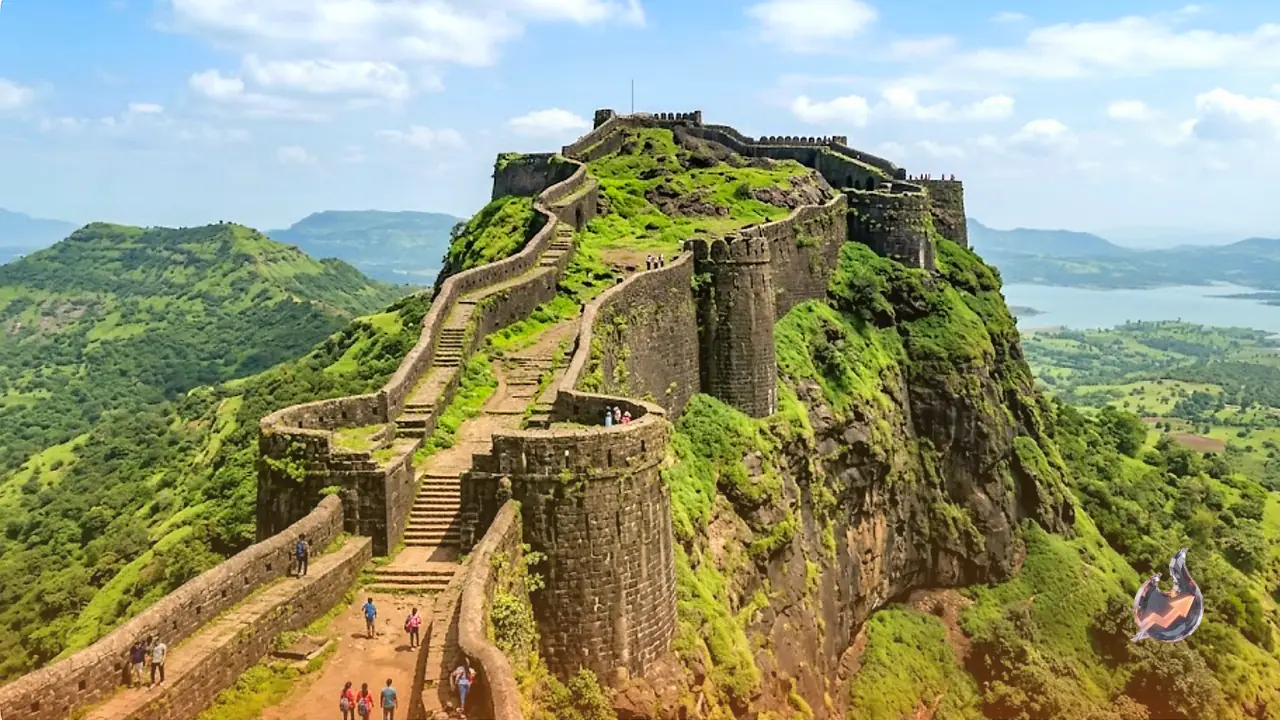

If you enjoy history, trekking and the lush greenery of the monsoon season, Lohagad Fort in Maharashtra deserves a spot on your travel list. Located near Pune, this ancient fort is admired not just for its striking structure and natural beauty, but also for the nickname it carries, the Iron Fort. So what is the story behind this unusual name? Here is a look at its history, its standout features and why it earned that title.
Why It Is Called The Iron Fort
The name Lohagad comes from two words, Loha meaning iron and Gad meaning fort, together suggesting a fort as strong as iron. Historians say the fort's thick stone walls, its sturdy construction and its location in a difficult, hard to reach terrain made it extremely tough to capture. That near impregnable nature is what earned it the title of Iron Fort over time.
A History Stretching Back Over 2,000 Years
Lohagad Fort's history is believed to stretch back roughly 2,000 years. Over these centuries, it came under the rule of several dynasties, including the Satavahana, Chalukya, Rashtrakuta, Yadav, Bahmani, Nizamshahi, Mughal and Maratha empires. Later, Chhatrapati Shivaji Maharaj also used the fort as a symbol of prestige and strength. Thanks to its formidable structure, it remained an important military stronghold for a long stretch of time.
Monsoon Turns The Fort Into A Trekker's Paradise
The natural beauty around Lohagad Fort intensifies during the monsoon season. Greenery spreads across the surrounding hills, and the climb up to the fort turns into an exciting trekking route, together offering a memorable experience. That is exactly why the spot draws large numbers of trekkers and nature lovers every year.
Vinchukata And Other Highlights
The most distinctive feature of Lohagad Fort is its Vinchukata, literally the scorpion's tail. This long rock structure resembles a scorpion's tail and is hugely popular among visitors. Beyond that, the fort's massive entrance gate and the sweeping views of the Sahyadri mountain range visible from its old buildings and palace ruins add to what makes the place genuinely special.
Best Time To Visit
The best time to visit Lohagad Fort is between July and September, and again between October and February. During these months, the natural scenery is at its peak and the weather stays pleasant for trekking.