




















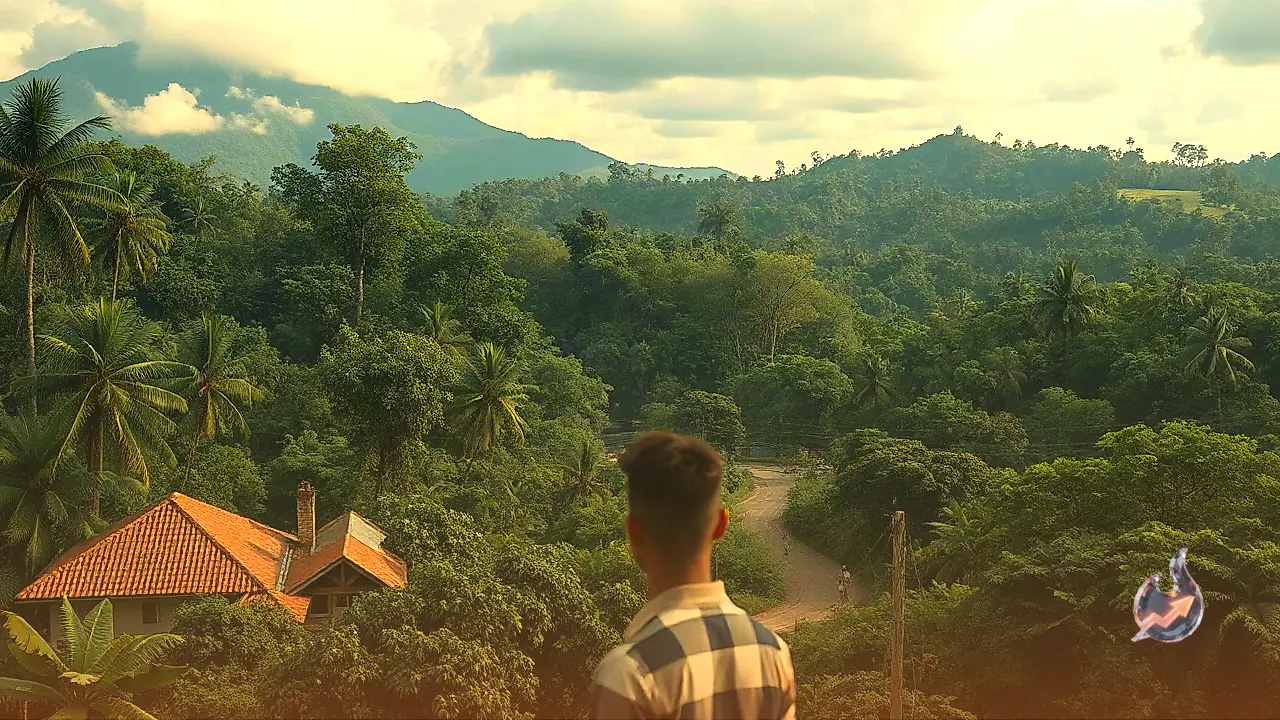

In everyday conversations, the terms forest and jungle are frequently treated as direct synonyms. Whenever an expansive tract of land covered in trees and natural greenery is discussed, both words are routinely applied without distinction. From the standpoint of language and natural science, the definitions and usage of these two concepts differ substantially. Key variables such as vegetation density, the physical structure of the terrain, and the nature of plant growth differentiate an open canopy landscape from an impassable thicket.
Expansive Canopies and Broad Ecosystem Functions in Forests
Within ecological science, a forest represents a vast natural expanse dominated by tree cover alongside diverse ground-level flora. Across these broad landscapes, numerous tree varieties flourish alongside shrubs, wild grasses, and various indigenous plant species. The distribution of forests is by no means confined to warm or highly humid territories. Rather, they thrive across cold montane environments, dry arid belts, and temperate climate zones spanning different continents.
Forest ecosystems serve as crucial primary habitats for countless species of wild animals, insects, and resident as well as migratory birds. Their planetary ecological importance is immense. These expansive biomes function as massive carbon sinks, stabilize soil structures against erosion, regulate regional hydrological cycles, and preserve overall biological diversity across the globe.
Dense Foliage, Tangled Vines, and Impassable Undergrowth in Jungles
The term jungle, by comparison, typically denotes intensely dense, lush landscapes where ground-level flora grows in chaotic abundance alongside vertical tree trunks. In these spaces, large trees coexist with thick brambles, interwoven climbing vines, and tightly packed surface foliage. Common usage generally associates the word jungle with tropical areas where lower ground growth creates an impenetrable barrier, making navigation on foot exceptionally challenging without clearing a path.
The vegetation thriving beneath the forest canopy develops into such a tightly knitted layer that moving through the terrain becomes difficult. Crucially, jungle does not function as a strict botanical or taxonomic category in scientific terminology. From a formal ecological perspective, not every heavily wooded area qualifies as a jungle, as scientists rely on standardized canopy and climate parameters rather than colloquial descriptions.
Ground-Level Greenery Versus Vast Tree Extension
When assessing vegetation density near the ground, the mental image evoked by a jungle consists of thickets, tangled creepers, and wild grasses massed closely together. In contrast, the term forest primarily highlights regions where expansive tree crowns form a wider overhead canopy, often leaving the lower forest floor somewhat more open beneath them.
It remains incorrect to conclude that any jungle is universally greener or more biologically active than every forest. The absolute density of vegetation in any given region is dictated by local climate patterns, annual rainfall averages, soil chemistry, and the unique physiological traits of native plant varieties. Consequently, temperate woodlands display an open structural balance, whereas tropical thickets develop intense ground-level foliage.