
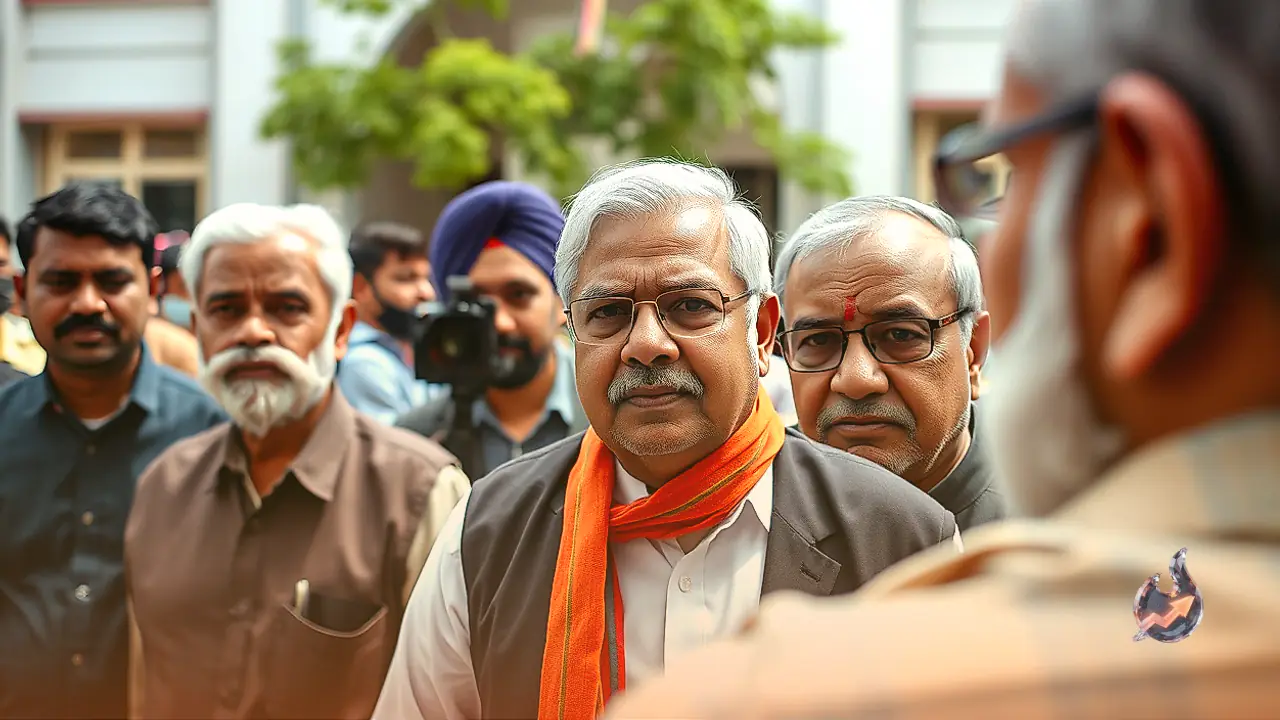

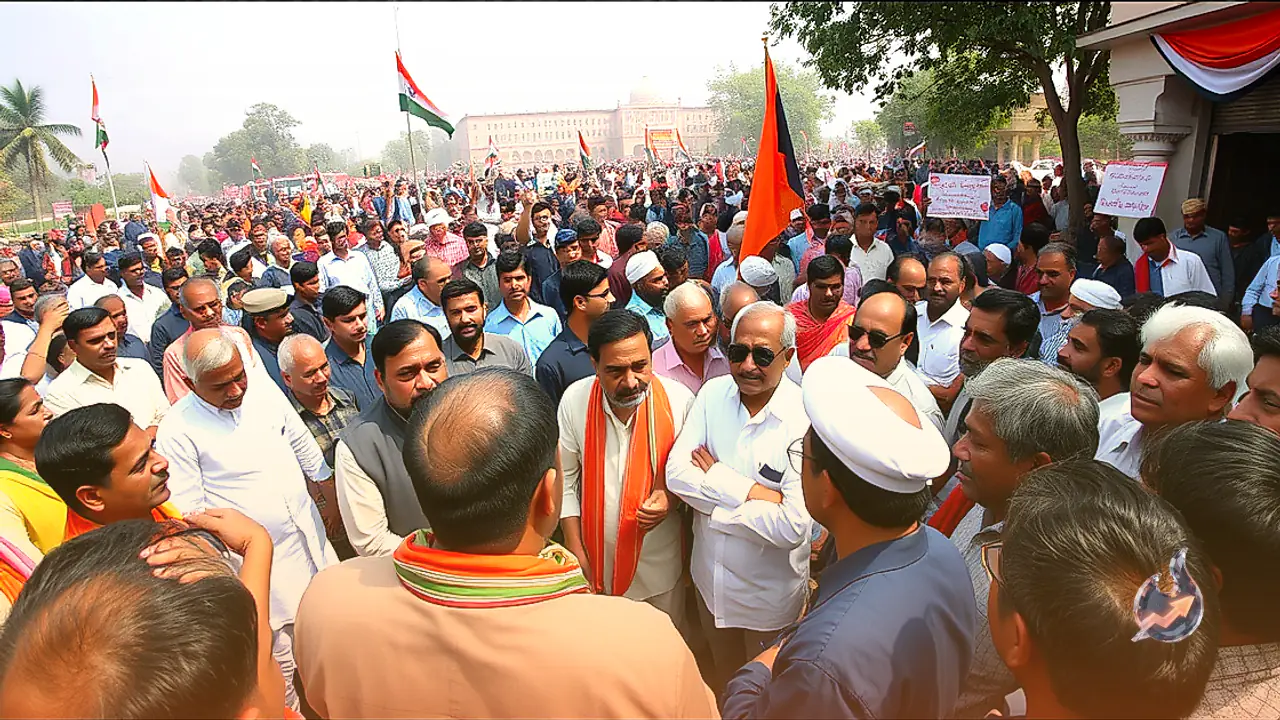
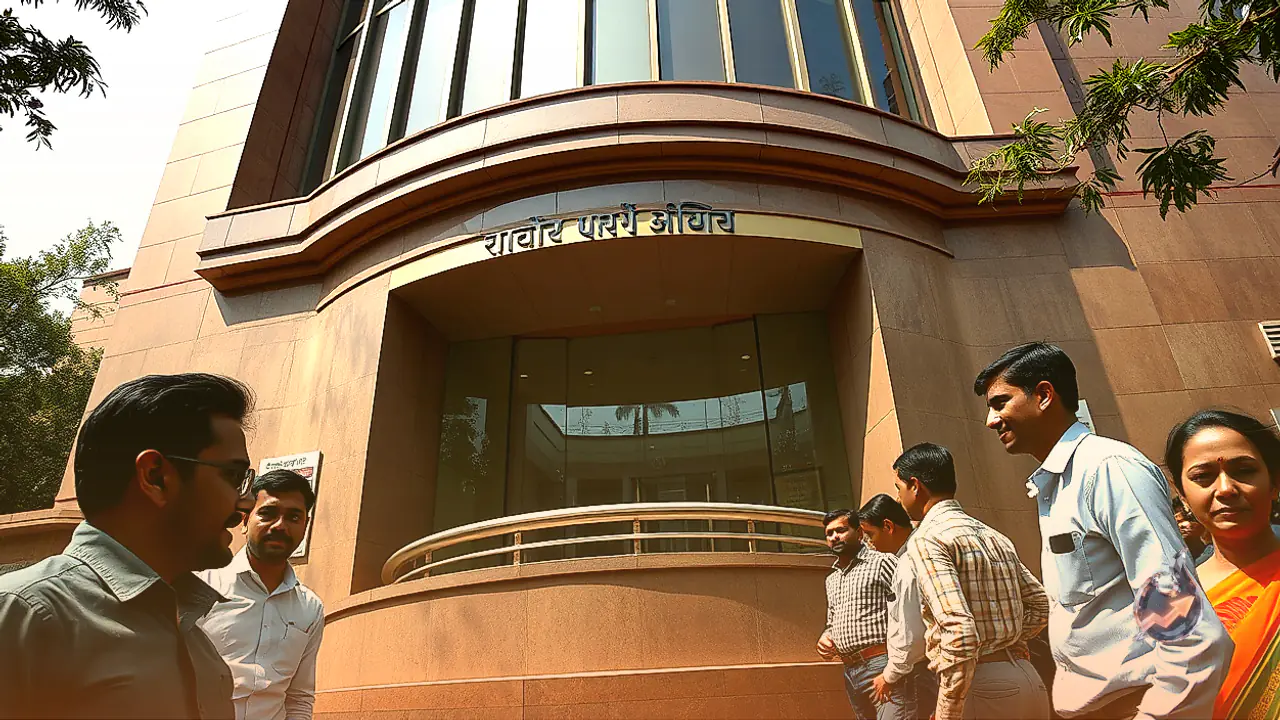

















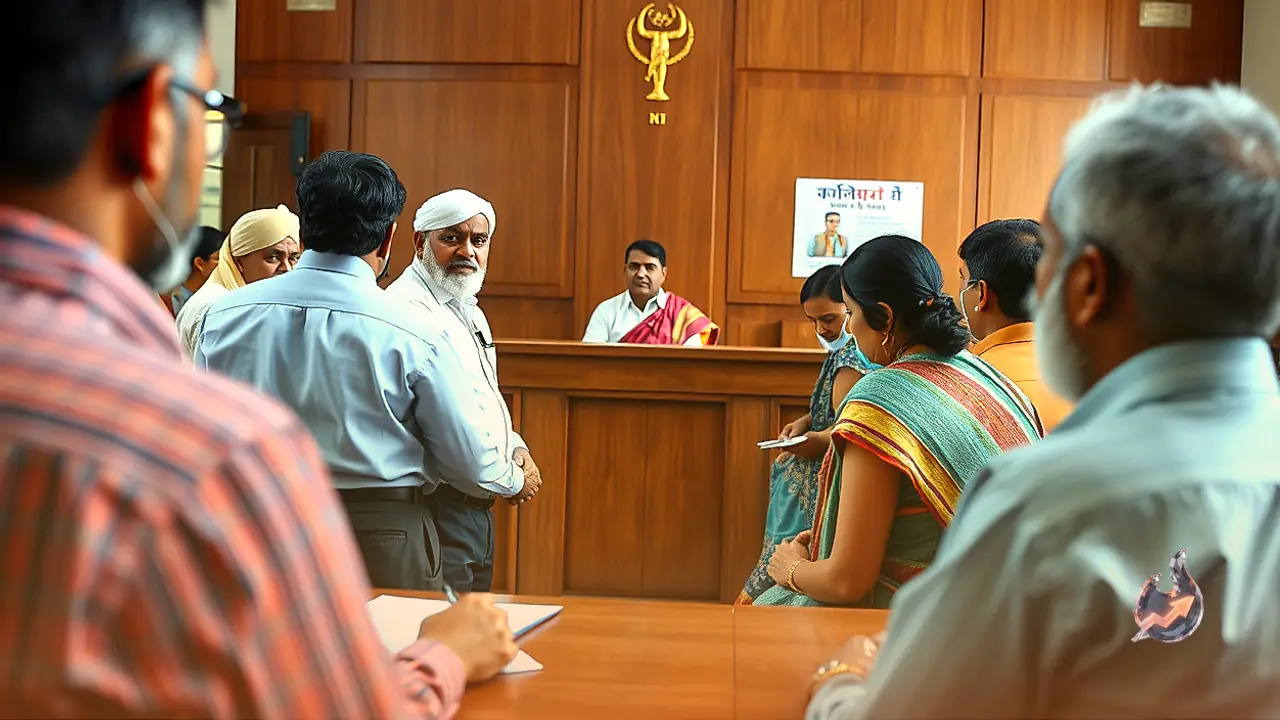

During a courtroom proceeding involving financial matters linked to actor Rajpal Yadav, the traditional customs surrounding Pitru Paksha came into focus when property sale details were presented before the bench. The advocate representing the actor informed the court that the registration of an immovable asset intended to arrange outstanding funds had been put on hold due to the ongoing Pitru Paksha period. The counsel indicated that the execution of this property deal is anticipated once Navratri commences. This court submission has brought fresh attention to the age-old practice observed across many Hindu households, where individuals consciously defer the formal commencement of major purchases and auspicious milestones during this specific fortnight.
Religious Beliefs Behind Postponing Real Estate Acquisitions
In Hindu traditions, Pitru Paksha is regarded as a solemn period dedicated to remembering departed ancestors through rituals such as Shradh, Tarpan, and Pind Daan. According to traditional tenets, individuals are encouraged to divert their attention away from material celebrations and new beginnings, focusing instead on paying homage, showing gratitude, and performing sacred duties for their forebears. Guided by this spiritual mindset, numerous families deliberately hold back from finalizing land purchases, registering new houses, or initiating large-scale financial commitments. This restraint stems from deeply rooted beliefs regarding favorable and unfavorable timings, as Pitru Paksha is not categorized as an auspicious window for initiating celebratory milestones. Consequently, property transactions and new ventures are customarily postponed until the arrival of Navratri, Diwali, or another designated auspicious occasion.
Legal Freedom Versus Customary Family Practices
Religious scholars and legal observers emphasize that abstaining from property registration during Pitru Paksha is strictly a matter of personal and communal faith rather than a statutory restriction. Under civil law, sub-registrar offices operate without interruption, and there is no legal embargo barring anyone from executing a deed simply because the calendar falls within Pitru Paksha. Any buyer or seller driven by immediate financial requirements, court mandates, or practical constraints can lawfully execute a property transfer during this period. The decision to hold off remains entirely a matter of choice for families who prefer aligning significant life events with religiously sanctified dates.
Purchases Deemed Appropriate During Pitru Paksha
The observance of Pitru Paksha does not imply a blanket freeze on all market purchases. The central philosophy of this period emphasizes ancestor remembrance and selfless service rather than total abstinence from commerce. Religious traditions place no bar on acquiring essential daily necessities that sustain regular life. Groceries, everyday clothing, medicines, household supplies, and operational items required for routine employment can be bought without hesitation. Furthermore, procuring grains, fresh vegetables, fruits, clarified butter, milk, and ceremonial items required for Shradh rituals forms an integral part of observing these fortnightly rites. Families also purchase clothing, food items, and other offerings to donate to needy individuals and feed Brahmins, making the underlying intent of each purchase the determining factor.
Major Milestones and Assets Generally Avoided
According to customary practices, families generally avoid launching events that represent major milestones or auspicious household celebrations. These avoided activities include purchasing new residential plots or apartments, formal deed registrations, housewarming ceremonies, weddings, and the inauguration of new commercial enterprises. In addition, many individuals choose not to bring home new motor vehicles, purchase luxury jewelry, or execute substantial long-term investments until the fortnight concludes, ensuring that spiritual attention remains undivided.
Handling Deals Agreed Prior to the Fortnight
A distinct scenario arises when a commercial or property agreement was finalized prior to Pitru Paksha, but the scheduled date for official registration happens to fall within this window. In such instances, outcomes depend on individual priorities. Families adhering closely to religious guidance often negotiate with the other party to postpone the deed execution until Navratri begins. Conversely, individuals bound by tight contractual timelines, banking deadlines, or urgent monetary necessities proceed with the registration on the prearranged date without legal hindrance.
The Underlying Spiritual Significance of Pitru Paksha
The core objective of Pitru Paksha centers on simplicity, charitable acts, feeding the hungry, and performing Shradh and Pind Daan for ancestors. The tradition reminds people to step away from ostentation, material vanity, and celebratory distractions in favor of quiet contemplation and gratitude. It is this enduring spiritual emphasis on service over material acquisition that continues to keep the practice of postponing new assets alive across generations.